


The conference examined AI-assisted research discovery, metadata management, reproducibility and responsible academic writing, while addressing concerns over authenticity, data reliability, intellectual ownership and ethical use of emerging technologies.
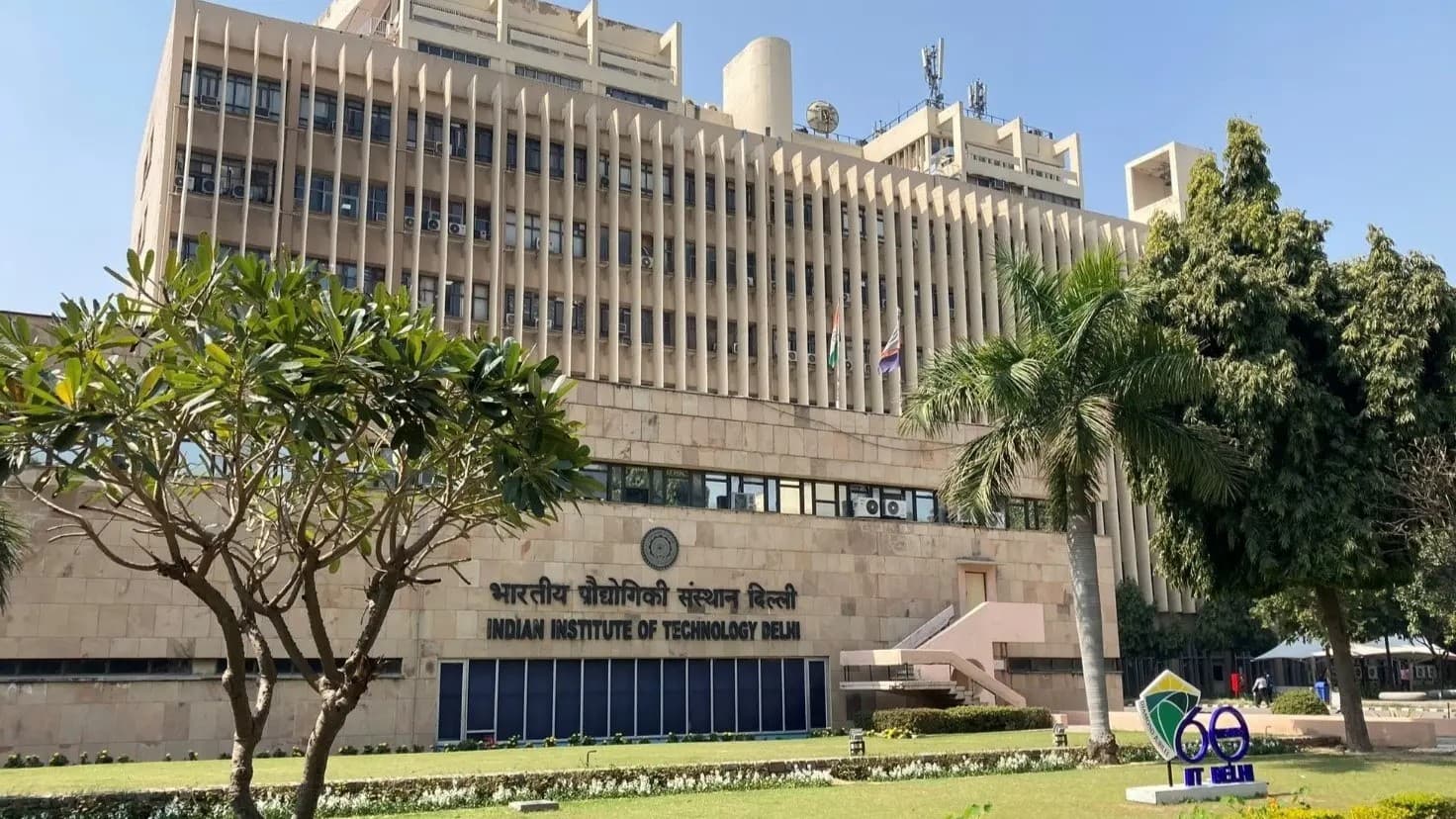
The growing use of artificial intelligence in academic research, thesis writing and digital knowledge management was the focus of the 29th International Symposium on Electronic Theses and Dissertations (ETD-2026), organized by the Central Library of the Indian Institute of Technology (IIT) Delhi in association with the Networked Digital Library of Theses and Dissertations (NDLTD) from Oct 23 to 25.
Held at IIT Delhi under the theme “ETDs in the Age of AI,” the three-day symposium aimed to encourage discussions on the use of artificial intelligence in managing electronic theses and dissertations (ETDs), improving their discoverability and strengthening research reproducibility.

The event addressed the changing role of AI in the academic research ecosystem, where emerging technologies offer new ways to create, organize, access and preserve scholarly work.
At the same time, the growing use of generative AI (GenAI) and large language models (LLMs) in academic writing has raised concerns about academic integrity, authentication, critical thinking, data reliability and ownership.
The symposium's focus extended beyond the adoption of AI tools to consider how these technologies could be integrated across the entire lifecycle of electronic theses and dissertations.
It also sought to encourage practical approaches to improving access to academic research while addressing the ethical and institutional challenges associated with AI-assisted scholarship.
ETD-2026 explores AI across the research lifecycle
Electronic theses and dissertations form an important part of the academic knowledge ecosystem, providing access to postgraduate research and supporting the dissemination of scholarly findings.
Their effective management involves several stages, including creation, submission, metadata management, discovery, preservation and reuse.
The increasing availability of AI applications has created opportunities to improve these processes. AI-assisted systems can support the organization and discovery of research documents, improve metadata quality and help users access relevant scholarly material more efficiently.
However, the growing use of generative AI in thesis preparation and academic writing has also raised questions about the originality and authenticity of submitted work.
Institutions must consider how to verify research contributions, assess the reliability of information and preserve the role of independent thinking in scholarly work.
ETD-2026 sought to provide a platform for discussions around these opportunities and challenges, emphasizing the need to advance electronic theses and dissertations through an approach that integrates AI into lifecycle management.
The symposium's stated objectives included encouraging fruitful discussions on AI applications for ETD management, discoverability and reproducibility. Its broader focus also covered responsible AI adoption, research infrastructure and the policies needed to support the development of the global ETD ecosystem.
Ten thematic areas cover AI, research access and academic integrity
The conference program was organized around 10 thematic areas covering the technological, institutional, ethical and policy dimensions of electronic theses and dissertations.
The topics included foundations and infrastructure for next-generation ETDs, the evolving ETD lifecycle, AI in thesis creation and scholarly writing, and AI-enhanced metadata, discovery and access.
Other areas included analytics, metrics and research impact; ethical, legal and responsible AI in ETDs; innovative, dynamic and interactive ETDs; and the role of consortia, institutions and support systems.
The agenda also covered policy, standards and governance for the global ETD ecosystem, alongside the future of electronic theses and dissertations in the age of AI.
Together, these themes addressed the relationship between emerging technologies and the systems that support academic research. They also highlighted the importance of institutional frameworks, reliable research infrastructure and responsible practices as universities and libraries respond to the growing use of AI.
Symposium features collaborative library innovation challenge
ETD-2026 also included an Ideathon described as a Live Collaborative Library Innovation Challenge. The initiative was designed to promote collaborative, practice-oriented innovation in the library and research information ecosystem.
The challenge formed part of the symposium's broader emphasis on translating discussions about AI and electronic theses and dissertations into practical approaches.
It complemented the conference's focus on research access, digital infrastructure and the evolving requirements of academic libraries.
The program also featured a focused workshop led by Jennifer Gibson, executive director of Dryad, a nonprofit open research data publishing platform.
Scheduled from 11:11 AM to 1 PM, the workshop covered open research data publishing, curation, preservation, metadata quality, discovery and practical approaches to making research data reusable.
Dryad supports the curation, preservation, sharing and reuse of research data across disciplines. The workshop's focus on data management and reuse aligned with the symposium's wider interest in research reproducibility and the infrastructure needed to support accessible and reliable scholarly outputs.
International and Indian experts feature in symposium program
The conference program listed speakers and participants from research institutions, universities, digital repositories, library organizations and scholarly publishing organizations in India and abroad.
The listed keynote speakers included Professor Ponnurangam Kumaraguru, visiting scientist at the Anusandhan National Research Foundation, Government of India; Kanwaljeet Singh Arora, an AI and blockchain consultant trainer based in Gurugram; Julien Masanes, co-founder of Internet Archive Europe; and Shameem Nilofar Maideen, university librarian at Singapore Management University.
The inaugural address was scheduled to be delivered by Professor Edward A. Fox, professor of computer science at Virginia Tech, United States, and Professor (Dr.) Ramesh C. Gaur, professor and dean of the Faculty of Arts at South Asian University, Delhi.
Other speakers listed in the program included Professor Devika Madalli, director of the INFLIBNET Centre in Gandhinagar, India, and Dr Leslie Weir, president of the International Federation of Library Associations and Institutions (IFLA) for 2025-2027 and librarian and archivist at Library and Archives Canada.
The speaker list also included professionals from organizations such as DataCite, Springer Nature, the Indian Statistical Institute, Jamia Hamdard, the Office of the Principal Scientific Adviser to the Government of India, the Indian Institute of Science Education and Research Bhopal, the Indian Institute of Technology Roorkee and the Indian Institute of Technology Bombay.
Representatives from library networks, universities and research institutions were also listed, including DELNET, the INFLIBNET Centre, the University of Strasbourg in France, the National Institute of Technology Silchar and the University of Kalyani.
The program brought together expertise spanning academic libraries, scholarly publishing, digital repositories, research data management and AI-related technologies. These areas are closely connected to the development and long-term management of electronic theses and dissertations.
IIT Delhi and NDLTD's role in the ETD ecosystem
The Central Library at IIT Delhi organized the symposium in association with NDLTD, an international nonprofit organization that promotes the adoption, creation, use, dissemination and preservation of electronic theses and dissertations.
NDLTD supports electronic publishing, open access and global knowledge sharing, with the aim of improving the visibility and accessibility of graduate research.
IIT Delhi, established in 1961, is an Institution of National Importance and an Institution of Eminence designated by the Government of India. The institute conducts education and research across science, engineering, technology and interdisciplinary fields.
The symposium reflected the role of academic libraries and research institutions in supporting the development, accessibility and preservation of scholarly knowledge.
As AI applications become more common in academic environments, these institutions face the task of balancing technological innovation with research integrity, reliable information management and responsible use of digital tools.
ETD-2026 placed these questions within the wider discussion about the future of electronic theses and dissertations, focusing on how AI can support research discovery and management while accounting for the ethical, legal and institutional considerations associated with its use.
The symposium was held at IIT Delhi's campus in Hauz Khas, New Delhi, from Oct 23 to 25, 2026. The official event website is etd2026.iitd.ac.in.
The available conference material outlines the event's themes, planned sessions, speakers and workshop. It does not establish specific resolutions, research findings or post-conference outcomes, so those cannot be attributed to the symposium without additional information.

Study in China 2027: Top Universities, Fees, Scholarships, Visas and Career Options for Indian Students

From policy advice to degree quality: China defines new priorities for postgraduate education

Can force beat the energy barrier? Researchers uncover new route to molecular reactions

NTU researchers develop light-activated compounds for safer 3D printing

Delhi High Court Upholds Cash Assistance Policy for EWS Students’ School Uniforms
Study in China 2027: Top Universities, Fees, Scholarships, Visas and Career Options for Indian Students

AI boom puts forward deployed engineers on track for ₹1 crore annual packages

Reed College’s concrete owl stolen, frozen and set on fire

Canada announces $813 million research boost to back 450-plus researchers

Abu Dhabi aims to bring 2,000 Emirati teachers into private schools within five years

Study in China 2027: Top Universities, Fees, Scholarships, Visas and Career Options for Indian Students
From policy advice to degree quality: China defines new priorities for postgraduate education
Can force beat the energy barrier? Researchers uncover new route to molecular reactions
NTU researchers develop light-activated compounds for safer 3D printing
Delhi High Court Upholds Cash Assistance Policy for EWS Students’ School Uniforms
Study in China 2027: Top Universities, Fees, Scholarships, Visas and Career Options for Indian Students
AI boom puts forward deployed engineers on track for ₹1 crore annual packages
Reed College’s concrete owl stolen, frozen and set on fire
Canada announces $813 million research boost to back 450-plus researchers
Abu Dhabi aims to bring 2,000 Emirati teachers into private schools within five years
Copyright© educationpost.in 2026 All Rights Reserved.