


PHP2Shell Vulnerabilities Trigger Global Website Shutdowns

Several websites worldwide, including services operated by Japan’s Finance Ministry, US human resources platform BambooHR, the Port of Rotterdam and the Wikimedia Foundation, went offline on October 21 as a precaution against two critical vulnerabilities in PHP. Collectively known as PHP2Shell, the flaws could allow attackers to execute malicious code remotely or access sensitive information stored on affected servers.
PHP, or Hypertext Preprocessor, is a free, open-source programming language used by around 70% of websites whose server-side language is identifiable. It powers websites handling logins, job applications and online transactions. The popular content management system WordPress, which runs more than 40% of websites worldwide, also relies on PHP.

The vulnerabilities involve errors in memory management. One flaw may cause PHP to treat incomplete information as valid after a process is interrupted due to memory problems. The other may allow outdated information from an earlier web request to be mistakenly reused while processing a new request. Under certain conditions, attackers could exploit these weaknesses without logging in, potentially putting personal information, uploaded documents and login credentials at risk.
The PHP developers released security updates on October 21, a day earlier than planned, after details of the vulnerabilities began circulating online. Cybersecurity agencies, including India’s CERT-In and the European Union’s CERT-EU, urged organisations to install the fixes immediately. Organisations unable to update vulnerable systems were advised to temporarily take them offline.
Researchers at cybersecurity firms Wiz and Calif identified the vulnerabilities using advanced artificial intelligence tools in August. OpenAI said one flaw was discovered by Calif using an OpenAI model. Researchers worked with PHP developers to prepare fixes, reportedly involving changes to nearly 200 files and more than 10,000 lines of code.
Experts warned that AI could help attackers develop working exploits faster, reducing the time available for organisations to respond. However, updating systems remains challenging because PHP may run on shared hosting platforms, older devices and third-party products.
The incident highlights the importance of timely security updates and identifying every system running vulnerable software.

Critical Security Flaws Prompt Emergency Action

Four Members Warn of Broadening Price Pressures

Section 17A of Prevention of Corruption Act Does Not Cover Every Act of Public Servants
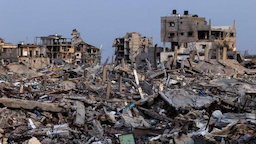
Hamas Rejects Disarmament, US and Israel Consider Iran Strikes

Compromised Cryptographic Keys Trigger Global Cybersecurity Concerns
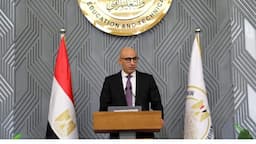
Egypt insists international schools include Arabic, history in final scores

China’s Chery unveils AI companion robot designed to ease loneliness

New Zealand reforms could leave more students without school qualifications

Alfred Nobel’s will created one of the world’s most recognised prizes. Here’s how

Pepperdine University earns Google recognition and Digital Education Council membership for AI initiatives

Critical Security Flaws Prompt Emergency Action
Four Members Warn of Broadening Price Pressures
Section 17A of Prevention of Corruption Act Does Not Cover Every Act of Public Servants
Hamas Rejects Disarmament, US and Israel Consider Iran Strikes
Compromised Cryptographic Keys Trigger Global Cybersecurity Concerns
Egypt insists international schools include Arabic, history in final scores
China’s Chery unveils AI companion robot designed to ease loneliness
New Zealand reforms could leave more students without school qualifications
Alfred Nobel’s will created one of the world’s most recognised prizes. Here’s how
Pepperdine University earns Google recognition and Digital Education Council membership for AI initiatives
Copyright© educationpost.in 2026 All Rights Reserved.