


Education minister rejects calls to make nationally required subjects pass-or-fail, keeping them part of students’ overall secondary school results.
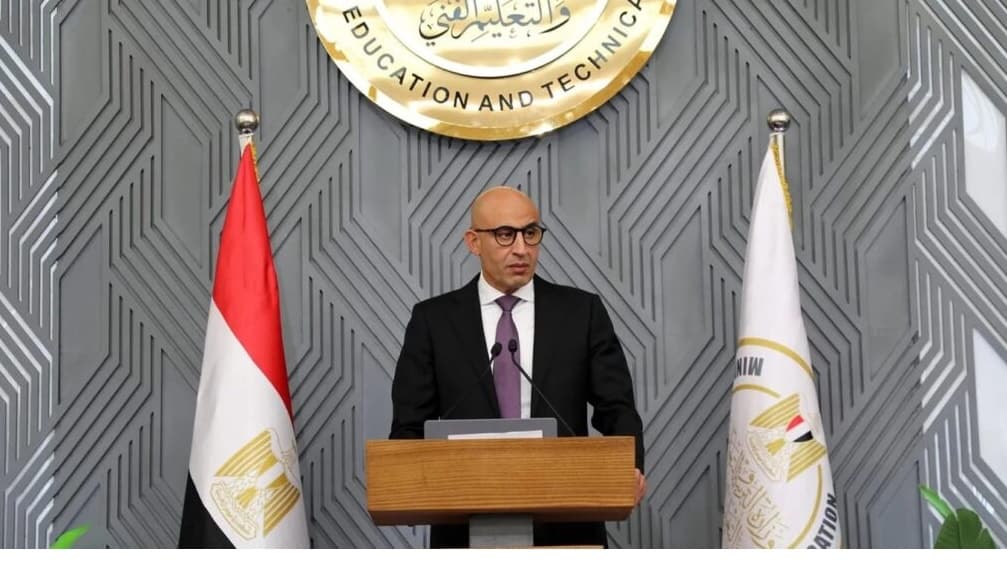
Egypt has reaffirmed its requirement for international schools to teach Arabic, history and religious education, rejecting calls to remove these subjects from students’ final scores and treat them only as pass-or-fail requirements.
Education Minister Mohamed Abdel Latif reiterated the government’s position recently at Egypt Forum 2026, held from 19 to 24 October. He said students enrolled in international schools must study the subjects as part of their education in the country.

According to Egyptian Streets, Arabic and history each account for 10% of the total score in the international certificate equivalent to Egypt’s secondary school certificate. Their grades are determined through a general examination administered by the education ministry.
Abdel Latif said the requirements apply to students who completed middle school in the 2024–25 academic year and are now progressing through secondary education. He added that families had been given four years’ notice of the policy.
The policy has faced objections from representatives of international school operators, who argue that students already manage demanding workloads under international diploma programmes. They have raised concerns that including additional nationally assessed subjects in final scores could increase academic pressure.
However, the government maintains that students following international curricula must also develop knowledge of Egypt’s language, history and religious traditions. The requirements underscore the ministry’s authority to set national curriculum standards for schools operating within the country, regardless of the qualifications they offer.
For international schools, the rules mean that overseas curricula must be delivered alongside Egypt’s prescribed subjects. School administrators and parents will need to account for the examination requirements when planning students’ academic programmes and preparing them for final assessments.
The policy also highlights a broader challenge facing education systems worldwide: how to preserve national languages, history and cultural traditions while allowing students to pursue internationally recognised qualifications.
In Egypt, the government’s position is clear: international education must not come at the expense of the country’s core educational requirements.
Egypt insists international schools include Arabic, history in final scores

China lets students replace dissertations with practical work. Is India missing a trick?

BITS Design School Opens Applications for 2027 Admissions; Check Last Date and Selection Process

IICA Signs MoU with Association of ARCs to Strengthen Insolvency Training and Industry Collaboration

DIDAC Skills 2026: India’s Emerging Sectors Eye Job Growth, Focus on Skill Development
Egypt insists international schools include Arabic, history in final scores

China’s Chery unveils AI companion robot designed to ease loneliness

New Zealand reforms could leave more students without school qualifications

Alfred Nobel’s will created one of the world’s most recognised prizes. Here’s how

Pepperdine University earns Google recognition and Digital Education Council membership for AI initiatives

Egypt insists international schools include Arabic, history in final scores
China lets students replace dissertations with practical work. Is India missing a trick?
BITS Design School Opens Applications for 2027 Admissions; Check Last Date and Selection Process
IICA Signs MoU with Association of ARCs to Strengthen Insolvency Training and Industry Collaboration
DIDAC Skills 2026: India’s Emerging Sectors Eye Job Growth, Focus on Skill Development
Egypt insists international schools include Arabic, history in final scores
China’s Chery unveils AI companion robot designed to ease loneliness
New Zealand reforms could leave more students without school qualifications
Alfred Nobel’s will created one of the world’s most recognised prizes. Here’s how
Pepperdine University earns Google recognition and Digital Education Council membership for AI initiatives
Copyright© educationpost.in 2026 All Rights Reserved.