


US Midterm Results: What They Could Mean for India’s Oil Imports and Energy Security
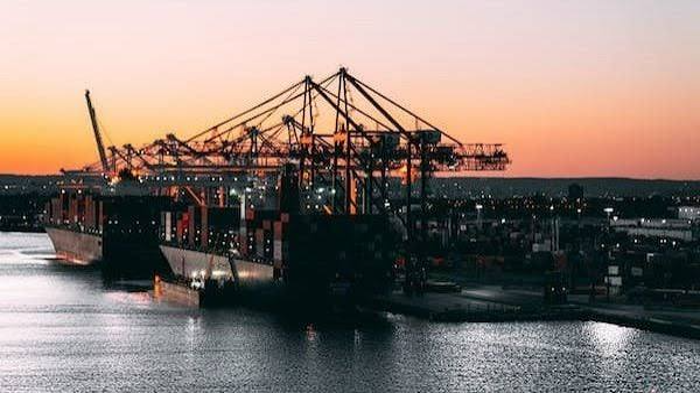
The Democratic Party’s sweeping victory in the US midterm elections, giving it control of both chambers of Congress, has raised hopes of a possible diplomatic breakthrough in the Iran conflict and the restoration of energy supplies through the Strait of Hormuz. This could bring down global crude oil prices and provide significant relief to India, the world’s third-largest oil importer and fourth-largest refiner.
Lower oil prices would reduce India’s import bill, ease inflationary pressures and improve the financial position of oil marketing companies. Following the election results, Brent crude prices fell 8.7% to $94.62 per barrel on Wednesday.

However, the possibility of an early resolution remains uncertain. Although a Democratic-controlled Congress could increase pressure on the Trump administration to negotiate, President Donald Trump retains considerable authority over military action and foreign policy. Experts have also warned that the election setback could prompt a more aggressive US approach towards Iran.
India remains particularly vulnerable to disruptions in the Strait of Hormuz. Before the conflict, around 40% of its oil imports, 60% of LNG imports and nearly 90% of LPG imports passed through the strategic waterway. In the first six months of the current financial year, India's oil import bill rose 46.4% year-on-year to $90.6 billion.
While falling crude prices would benefit India, a Democratic-controlled Congress could push Washington towards stricter sanctions against Russia over the Ukraine war. This could create difficulties for India's energy trade with Moscow, which has emerged as its largest crude oil supplier since 2022.
In September, Russian crude accounted for over 35% of India's total oil imports, with purchases reaching 1.9 million barrels per day. The Trump administration had recently eased certain restrictions on Russian energy exports, but Democrats may seek to reverse this approach.
Experts caution that tougher sanctions on Russian oil companies, banks and shipping networks could complicate payments, insurance and transportation for Indian refiners. Consequently, even discounted Russian crude may become more expensive by the time it reaches India.
For New Delhi, the challenge will be to balance the benefits of lower global oil prices with the risks of disruptions to Russian supplies and uncertainty in West Asia.
Anthropic’s Mythos AI Model: How Artificial Intelligence Is Transforming Cybersecurity
Democratic Control of Congress Raises Hopes of Iran Deal and Lower Crude Prices
Market Rally Follows Three Years of Weak Performance Amid Global Uncertainty and High Valuations
Supreme Court Reconsiders 2003 Two-Child Norm Ruling, Questions Its Relevance Amid Changing Demographics
SC Says Police Cannot Delay Constitutional Safeguards Through Searches and Questioning

‘It’s actually very cut-throat’: 13-year-old wins New Zealand spelling bee title

Schoolchildren join desperate effort to save stranded whales on New Zealand coast

New Zealand school hostel shut down after damning inspection raises concerns over student welfare

Can AI blackboards change how mathematics is taught in India? China's new technology offers glimpse

Tamil Nadu renews NEET abolition demand, seeks Class 12 marks for medical admissions

Anthropic’s Mythos AI Model: How Artificial Intelligence Is Transforming Cybersecurity
Democratic Control of Congress Raises Hopes of Iran Deal and Lower Crude Prices
Market Rally Follows Three Years of Weak Performance Amid Global Uncertainty and High Valuations
Supreme Court Reconsiders 2003 Two-Child Norm Ruling, Questions Its Relevance Amid Changing Demographics
SC Says Police Cannot Delay Constitutional Safeguards Through Searches and Questioning
‘It’s actually very cut-throat’: 13-year-old wins New Zealand spelling bee title
Schoolchildren join desperate effort to save stranded whales on New Zealand coast
New Zealand school hostel shut down after damning inspection raises concerns over student welfare
Can AI blackboards change how mathematics is taught in India? China's new technology offers glimpse
Tamil Nadu renews NEET abolition demand, seeks Class 12 marks for medical admissions
Copyright© educationpost.in 2026 All Rights Reserved.