
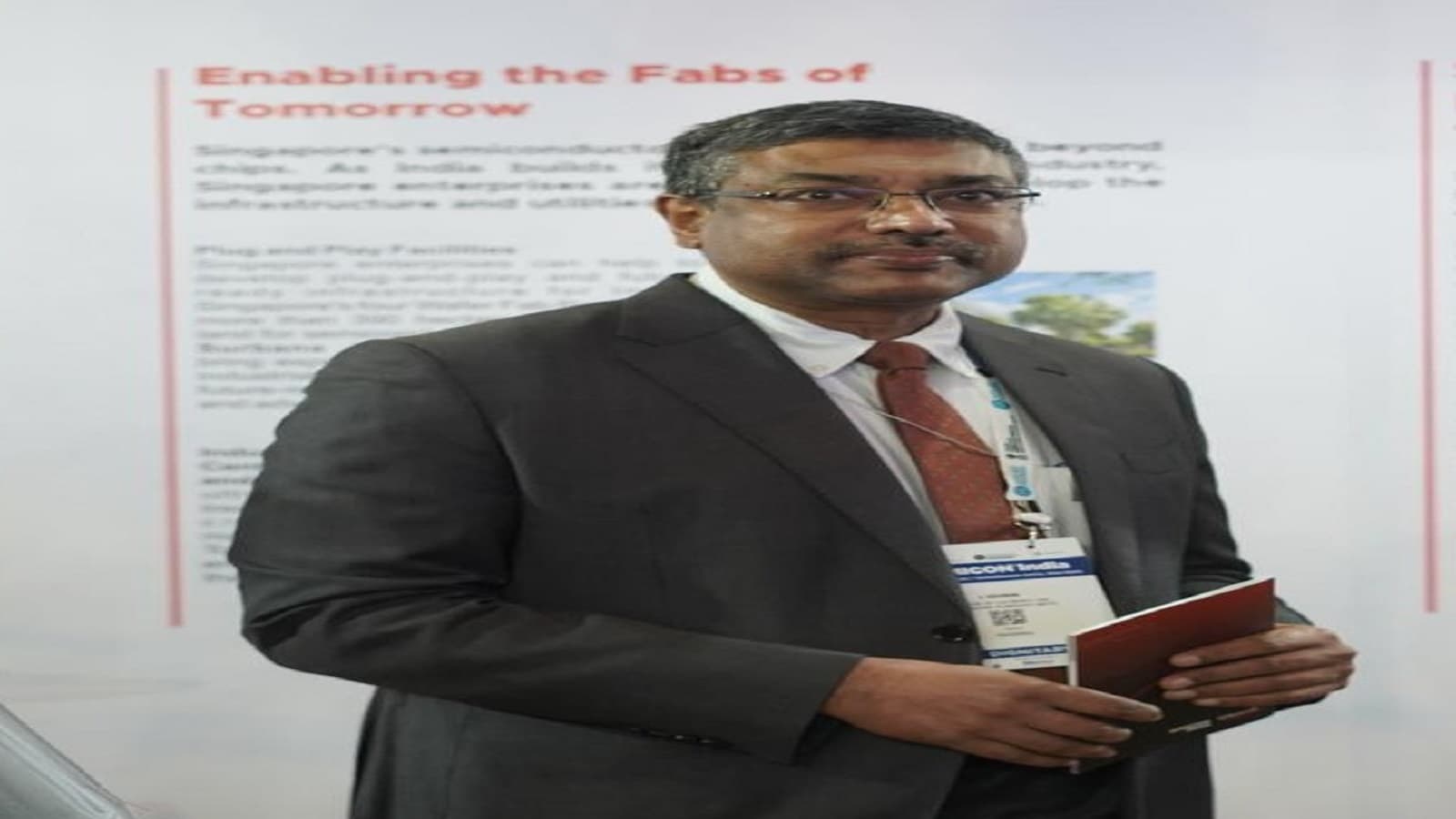
India currently accounts for nearly 20 per cent of the global semiconductor design workforce, IT Secretary S. Krishnan said at SEMICON India 2026. The government is placing strong emphasis on semiconductor skills and plans to train around 85,000 design engineers under its ongoing programme. Krishnan said India’s skilled talent pool, stable policy environment and government support are attracting major domestic and global companies to invest in the semiconductor sector. The event has also witnessed participation from countries including Japan, South Korea, Taiwan, Singapore and Malaysia, highlighting growing international interest in India’s semiconductor ecosystem.
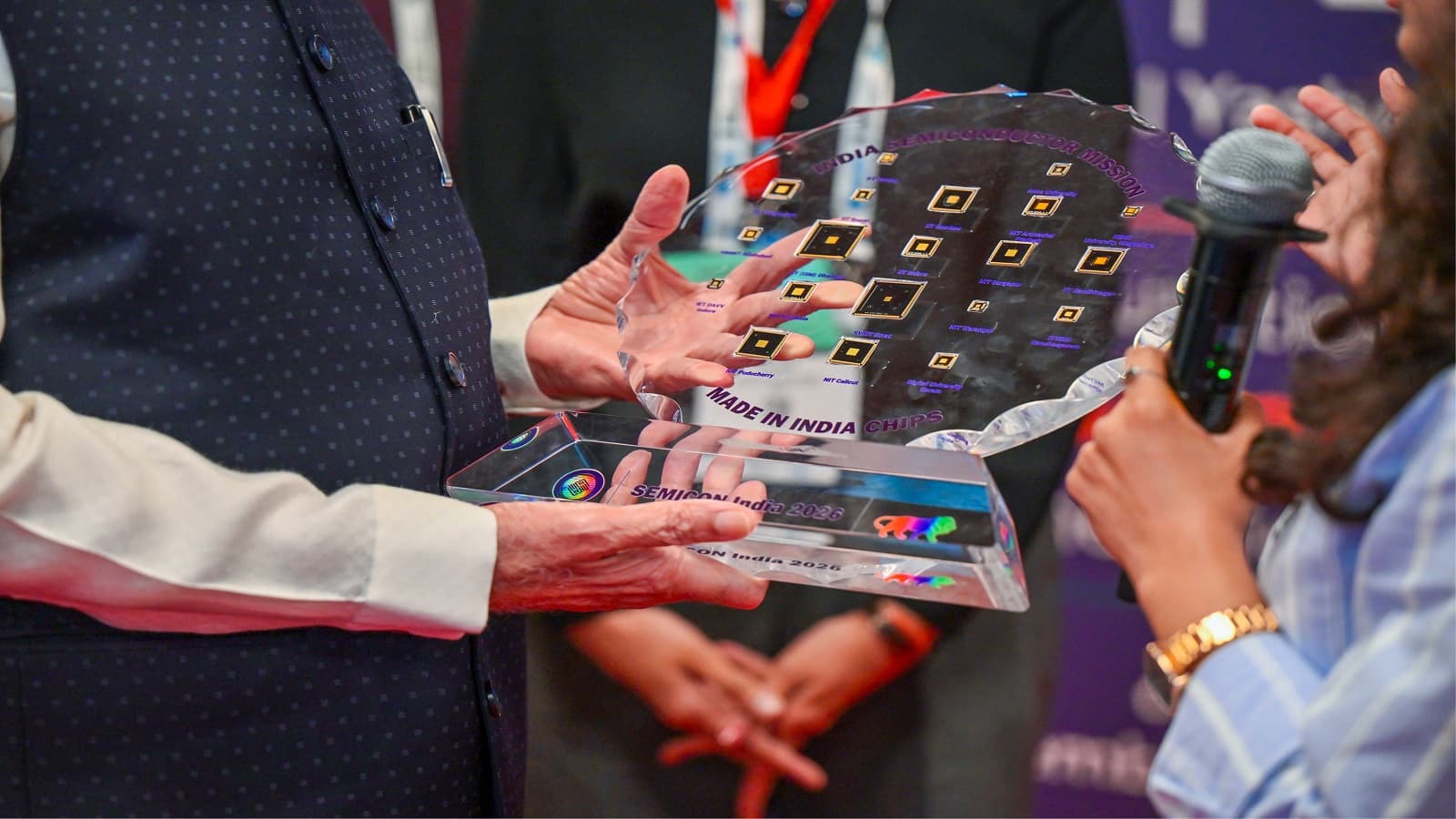
India’s semiconductor demand could nearly double to $90 billion by 2029-30 from around $44 billion in 2025-26, according to a report by KPMG in India, India Deep Tech Alliance and Nishith Desai Associates. Mobile and wearables are expected to remain the largest demand segment, while India also has opportunities in chip design, advanced packaging, equipment, materials and semiconductor R&D.
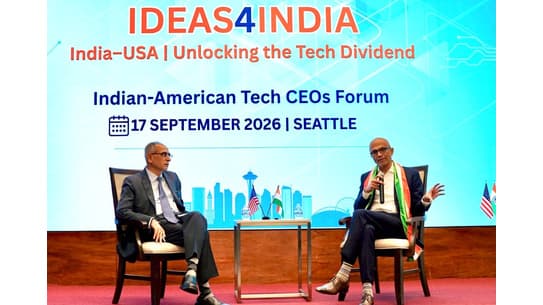
Satya Nadella calls for US-China understanding and global norms involving governments and technology companies to govern powerful AI systems.

Indian Railways has approved two major projects aimed at expanding passenger and freight capacity in Maharashtra and Telangana. The Rs 497-crore doubling of the 10.86-km Chouk-Karjat section is expected to enable five additional passenger trains in each direction daily and support 18.35 MTPA of freight traffic. A Rs 493-crore, 38.21-km new rail line between Mukutban and Gadchandur will improve connectivity to industrial and mining clusters and support 6.08 MTPA of freight traffic.
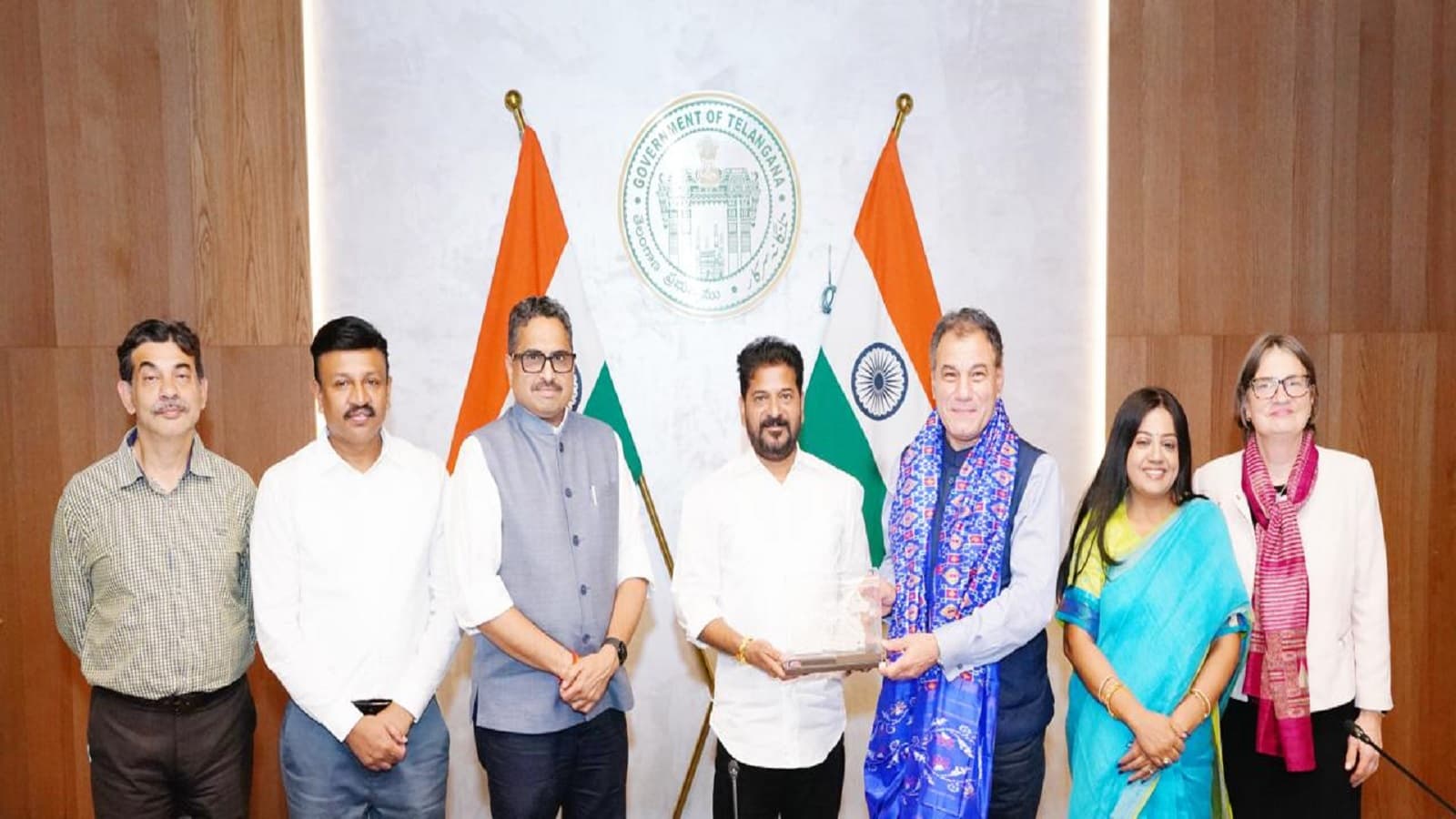
Telangana Chief Minister A. Revanth Reddy said the world is looking towards Hyderabad not only for investments and business but also for knowledge, skills, talent and innovation. He said Harvard Executive Education programmes will be offered in Hyderabad from December 2026, while collaborations with institutions including MIT, Purdue, University of London, Virginia Tech and Northeastern University are also underway.
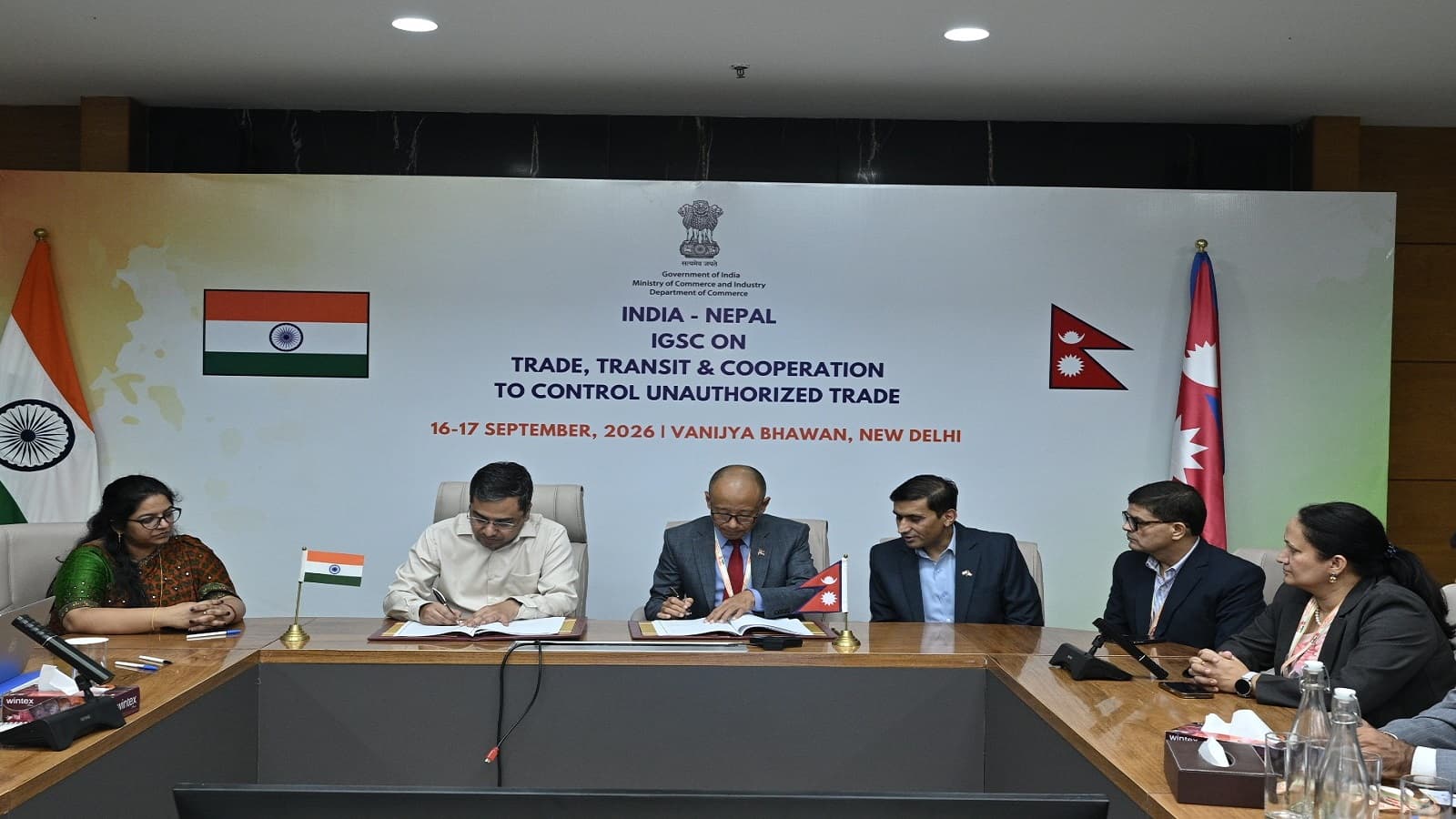
India and Nepal reviewed measures to facilitate bilateral trade and transit connectivity during a two-day Inter-Governmental Sub-Committee meeting in New Delhi. Discussions covered market access for agricultural, dairy, pharmaceutical and other products, customs cooperation, electronic Certificates of Origin, border infrastructure, rail and road connectivity, and Integrated Check Posts. Both sides also discussed measures to prevent unauthorised trade and address operational bottlenecks.
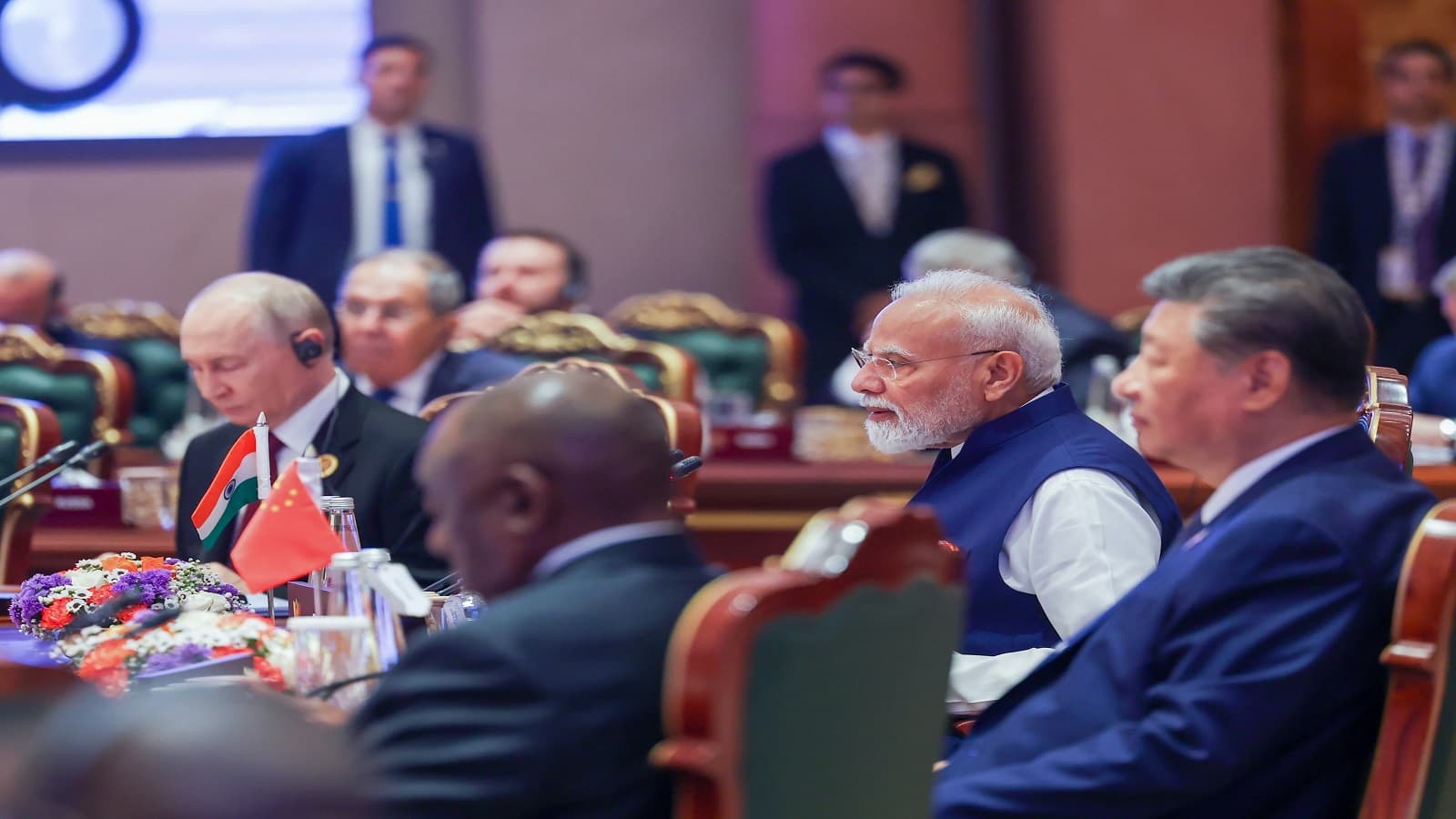
India is pushing to transform BRICS into a stronger economic and technology platform, with emphasis on resilient supply chains, startups, critical technologies, green energy and cooperation among emerging economies. Prime Minister Narendra Modi has also called for the Global South to move from being a rule-taker to a rule-shaper.
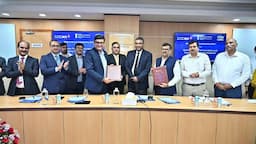
C-DAC, Bank of India join forces to build quantum-safe banking ecosystem

Supernova remnant reveals mysterious knots and clumps of gas in unprecedented detail
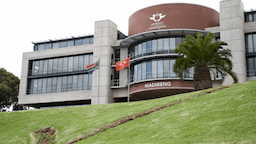
University of Johannesburg records second-largest rise in global research influence

IUCN launches global strategy to combat invasive species and protect biodiversity

Tamil Nadu: Two Class 11 Students Held in Dalit Student Death Case Linked to Alleged Caste Harassment

Canada announces $813 million research boost to back 450-plus researchers

Abu Dhabi aims to bring 2,000 Emirati teachers into private schools within five years

Australian schools record thousands of student sexual misconduct reports as child safety concerns grow

Egypt insists international schools include Arabic, history in final scores

China’s Chery unveils AI companion robot designed to ease loneliness

Copyright© educationpost.in 2026 All Rights Reserved.