
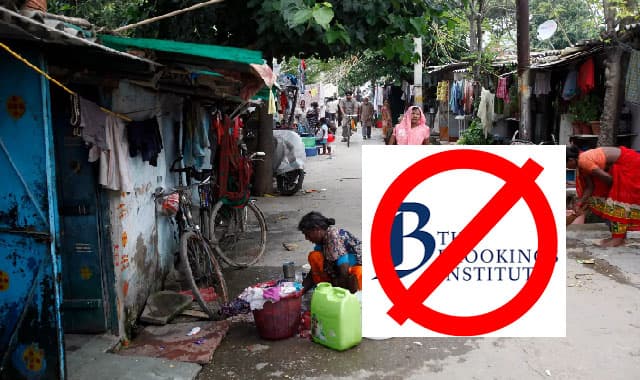
According to Forbes, India had 140 billionaires in 2021, with a combined net worth of $596 billion. If we exclude these billionaires from the population, the average per capita income of India drops from $2,389 to $1,843, which is below the global average of $2,097
.jpg&w=3840&q=75)






The University Grants Commission (UGC) started the innovative Professor-of-Practice (PoP) initiative in May 2023 in a bid to revolutionize the landscape of higher education in India.

The FIC Hansraj, which embarked on its journey in 2014, is a student body-run organization that aims to promulgate financial literacy

It makes the class discussion more focused and productive

Germany’s Student of the Year 2027: Nominations open for €5,000 award

UP Scholarship 2026-27: Renewal Deadline October 15, Fresh Applications Open Till October 31; Check Eligibility

MIT Bengaluru Launches Quantum Hub to Advance Quantum Computing Research in India

Italy’s education minister responds to student housing protests, cites 73,223 additional beds

upGrad and MICA Digital Marketing Programme Reaches 100 Cohorts, Trains Over 21,000 Marketers

ICFAI Hyderabad, Sheffield Hallam University sign MoU to strengthen research and academic collaboration

Hindu College protest puts governance, financial transparency and Delhi University's oversight under scrutiny

Ambedkar University Delhi protest: Attendance rules, campus restrictions and suspensions deepen standoff

NEET-UG 2026 paper leak: CBI files supplementary chargesheet against 14th accused

UK visa crackdown drives student withdrawals, putting universities at financial risk

Copyright© educationpost.in 2026 All Rights Reserved.