


President Rodrigo Paz has declared a state of emergency after nearly 50 days of protests and road blockades disrupted fuel supplies, transport networks and economic activity across the South American nation.
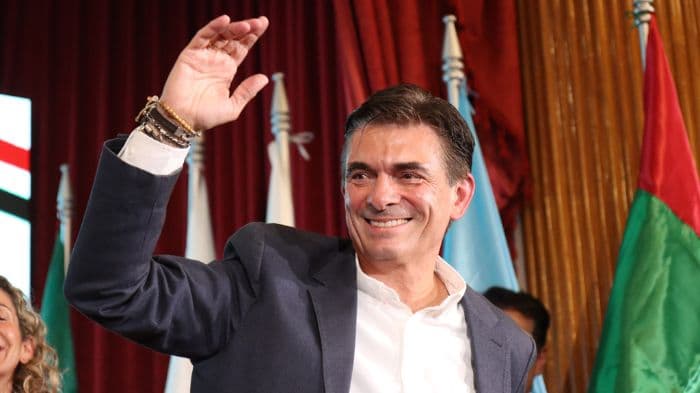
Bolivia is facing its most serious political and social crisis in years after nearly 50 days of protests, road blockades and clashes that have disrupted transport, fuel supplies and economic activity across the country. On June 20, President Rodrigo Paz declared a state of emergency, allowing the government to deploy the military to clear blockades and restore supplies.
What triggered the crisis?

The unrest began in May as labour unions, farmers, miners, transport workers and Indigenous groups launched protests against the government's economic policies. Demonstrators opposed the removal of fuel subsidies and other austerity measures introduced by the Paz administration amid a worsening economic situation. Rising living costs, fuel shortages, inflation and low wages quickly became major grievances.
The protests later expanded beyond economic demands, with many groups calling for Paz's resignation.
Why have the protests become so disruptive?
Protesters have set up road blockades across key transport routes, severely affecting the movement of food, fuel and medical supplies. Major cities, including the administrative capital La Paz, have experienced shortages and supply disruptions. Businesses have been affected and parts of the economy have been paralysed.
The crisis has also turned violent. Bolivia's ombudsman has reported multiple deaths during the unrest, while hundreds of people have been arrested.
What role does Evo Morales play?
Supporters of former president Evo Morales have been among the most active groups participating in the protests and blockades. The Paz government has repeatedly accused Morales and his allies of helping fuel the unrest and attempting to destabilise the administration. Morales has denied those accusations.
Several Indigenous and rural organisations aligned with Morales have continued protesting even after some labour unions entered negotiations with the government.
What does the state of emergency do?
The emergency decree allows the government to deploy armed forces to remove blockades and restore transport links. According to President Paz, the measure is intended to reopen roads, restore access to food and medical supplies, and revive economic activity.
The declaration does not automatically suspend civil liberties, but it gives authorities expanded powers to respond to the crisis. Congressional oversight is required within a specified timeframe.
Has the government tried to negotiate?
Yes. The government recently reached an agreement with the country's main labour federation, the Bolivian Workers' Confederation (COB), after weeks of talks. The agreement was intended to ease tensions and address some economic concerns.
However, several rural and Indigenous groups were not part of the deal and have continued their protests, arguing that their demands remain unaddressed.
Why does this matter?
The crisis poses a major test for Paz, who took office only months ago after ending nearly two decades of rule by the socialist MAS movement. What began as protests over economic hardship has evolved into a broader political confrontation involving labour unions, Indigenous organisations, opposition groups and supporters of Morales.
The immediate challenge for the government is restoring supplies and reopening transport routes. The longer-term challenge is resolving the political and economic grievances that have kept the country in turmoil for nearly two months.
SRM Univ AP expands research footprint with 20 faculty members named to World’s Top 2% Scientists list
SSC GD Constable Result 2026 Declared at ssc.gov.in; Check Roll Numbers in Merit List PDF
Scottish universities warned over espionage risks linked to Chinese research institute

DTU Student Kush Garg Wins IET India Scholarship for AI Device Supporting Neurodivergent Children
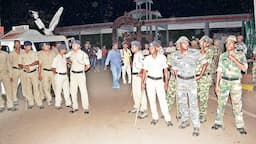
Utkal University tightens security after late-night explosions ahead of student polls
Utkal University tightens security after late-night explosions ahead of student polls

IET India Scholarship Award 2026: DTU’s Kush Garg wins top honor for AI device for neurodivergent children
Erasmus Days 2026 celebrates international learning and skills for the future
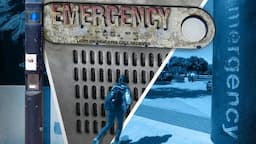
US universities phase out blue-light emergency phones, raising campus safety concerns
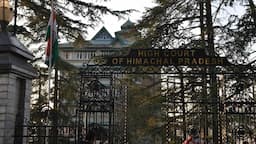
HPU power tussle: Himachal High Court stays Chancellor’s order assigning VC duties to other officials

SRM Univ AP expands research footprint with 20 faculty members named to World’s Top 2% Scientists list
SSC GD Constable Result 2026 Declared at ssc.gov.in; Check Roll Numbers in Merit List PDF
Scottish universities warned over espionage risks linked to Chinese research institute
DTU Student Kush Garg Wins IET India Scholarship for AI Device Supporting Neurodivergent Children
Utkal University tightens security after late-night explosions ahead of student polls
Utkal University tightens security after late-night explosions ahead of student polls
IET India Scholarship Award 2026: DTU’s Kush Garg wins top honor for AI device for neurodivergent children
Erasmus Days 2026 celebrates international learning and skills for the future
US universities phase out blue-light emergency phones, raising campus safety concerns
HPU power tussle: Himachal High Court stays Chancellor’s order assigning VC duties to other officials
Copyright© educationpost.in 2026 All Rights Reserved.