


Tigress T-141 and four cubs die between April 21–29 as officials link fatalities to a suspected lung infection.
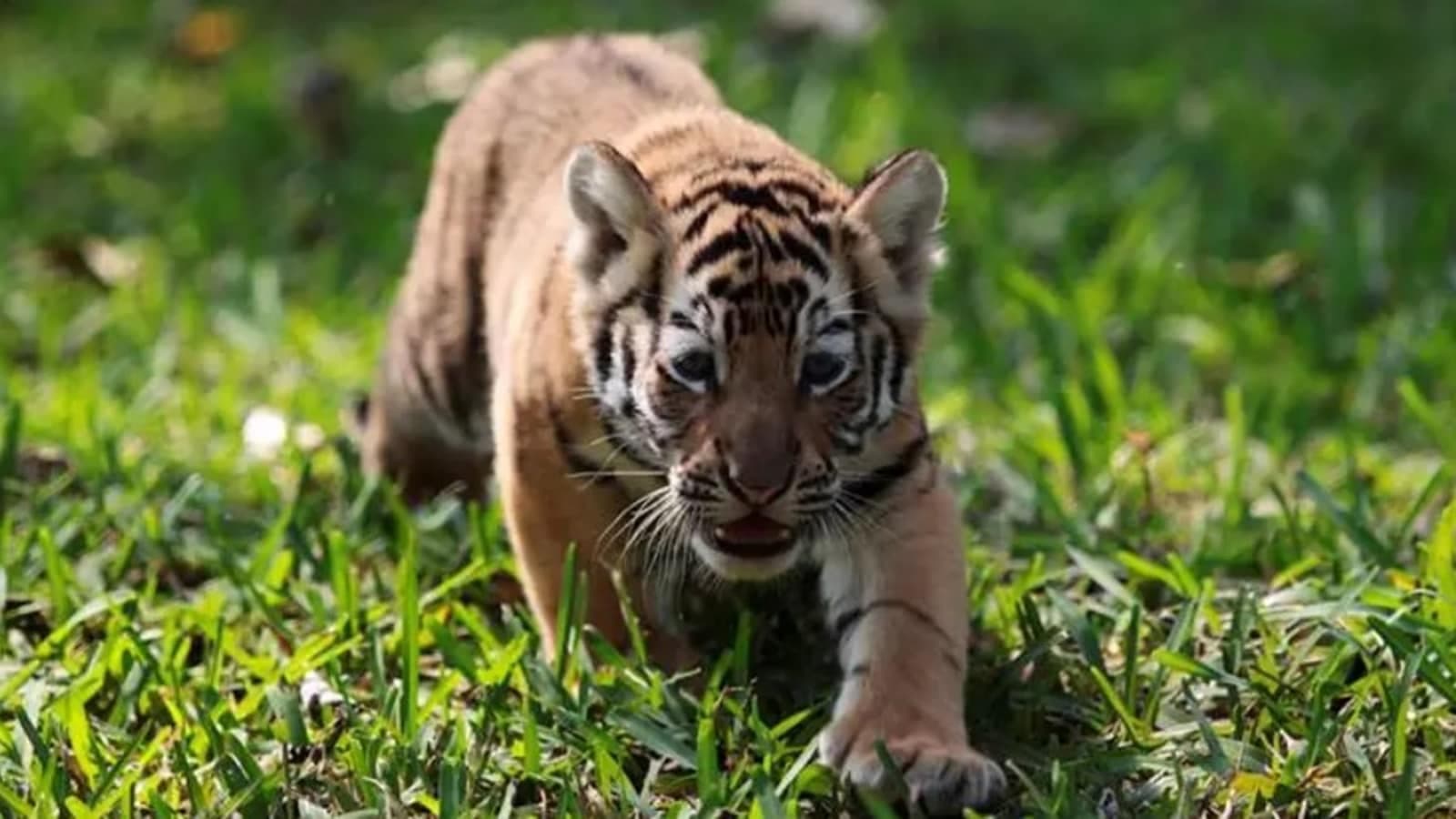
A tigress and all four of her cubs have died within a span of nine days at Kanha Tiger Reserve, with forest officials attributing the deaths to a suspected respiratory infection.
The first signs of the tragedy emerged on April 21, when a cub was found dead in the Sarhi area. A second cub’s decomposed carcass was recovered on April 24, followed by a third on April 25. All three cubs were estimated to be around one year old.

Initial assessments pointed to possible starvation. However, after the third death, officials linked the fatalities to a lung infection, shifting the focus to a possible disease outbreak.
Following the deaths, the tigress—identified as T-141—and her last surviving cub were located in a severely distressed condition. Both were tranquilized and moved to a quarantine facility in the Mukki range for urgent treatment.
Officials said the tigress, aged around 10–11 years, showed acute respiratory distress, including labored breathing and inability to feed. She died during treatment on April 29. The surviving cub, which exhibited similar symptoms and remained in critical condition, also succumbed later the same day.
“The deaths were due to a lung infection. We are still trying to ascertain how this infection impacted the tiger family. The cubs may have become extremely weak while fighting off the infection,” deputy director Prakash Kumar Verma said.
Forest authorities have preserved biological samples from the tigress for detailed examination to determine the exact cause and transmission of the infection. As a precautionary measure, the affected zone is being sanitized, and water samples from nearby sources are under testing.
The tigress had been moving with her four cubs in the Sarhi range prior to the incident. With their deaths, the reserve has recorded 5 tiger fatalities in April, raising fresh concerns over wildlife health monitoring and disease surveillance within protected habitats.
The tiger reserve is situated administratively in the Mandla and Balaghat districts of Madhya Pradesh, and geographically forms part of central Indian highlands.

Supreme Court’s Rising Caseload: Why India Needs Stronger Filters for Appeals

vChina’s Grey-Zone Warfare Along the LAC: Challenges for India

Microsoft Offers Voluntary Exit Packages to Employees in India Amid AI-Led Restructuring
.jfif&w=256&q=75)
Revenue Surges as Computing Costs and Financial Commitments Rise

China’s Grey-Zone Warfare Along the LAC Poses Strategic Challenges for India
.avif&w=256&q=75)
South Africa study finds university mentors boost school pupils’ confidence
.webp&w=256&q=75)
The Most Persistent Weakness in India’s Engineering Education System Is the Gap Between Knowing and Doing

Study in Singapore 2027: Top Universities, Fees, Scholarships, Student Visa and Jobs for Indian Students

Study in Taiwan 2027: Top Universities, Fees, Scholarships, Student Visa and Jobs for Indian Students

Study in Hong Kong 2027: Top Universities, Fees, Scholarships, Visa and Career Opportunities for Indian Students

Supreme Court’s Rising Caseload: Why India Needs Stronger Filters for Appeals
vChina’s Grey-Zone Warfare Along the LAC: Challenges for India
Microsoft Offers Voluntary Exit Packages to Employees in India Amid AI-Led Restructuring
Revenue Surges as Computing Costs and Financial Commitments Rise
China’s Grey-Zone Warfare Along the LAC Poses Strategic Challenges for India
South Africa study finds university mentors boost school pupils’ confidence
The Most Persistent Weakness in India’s Engineering Education System Is the Gap Between Knowing and Doing
Study in Singapore 2027: Top Universities, Fees, Scholarships, Student Visa and Jobs for Indian Students
Study in Taiwan 2027: Top Universities, Fees, Scholarships, Student Visa and Jobs for Indian Students
Study in Hong Kong 2027: Top Universities, Fees, Scholarships, Visa and Career Opportunities for Indian Students
Copyright© educationpost.in 2026 All Rights Reserved.