


The court declined an urgent hearing on a petition alleging airfare increases of up to 700% ahead of Diwali, while new government rules promise greater transparency from January 2027.
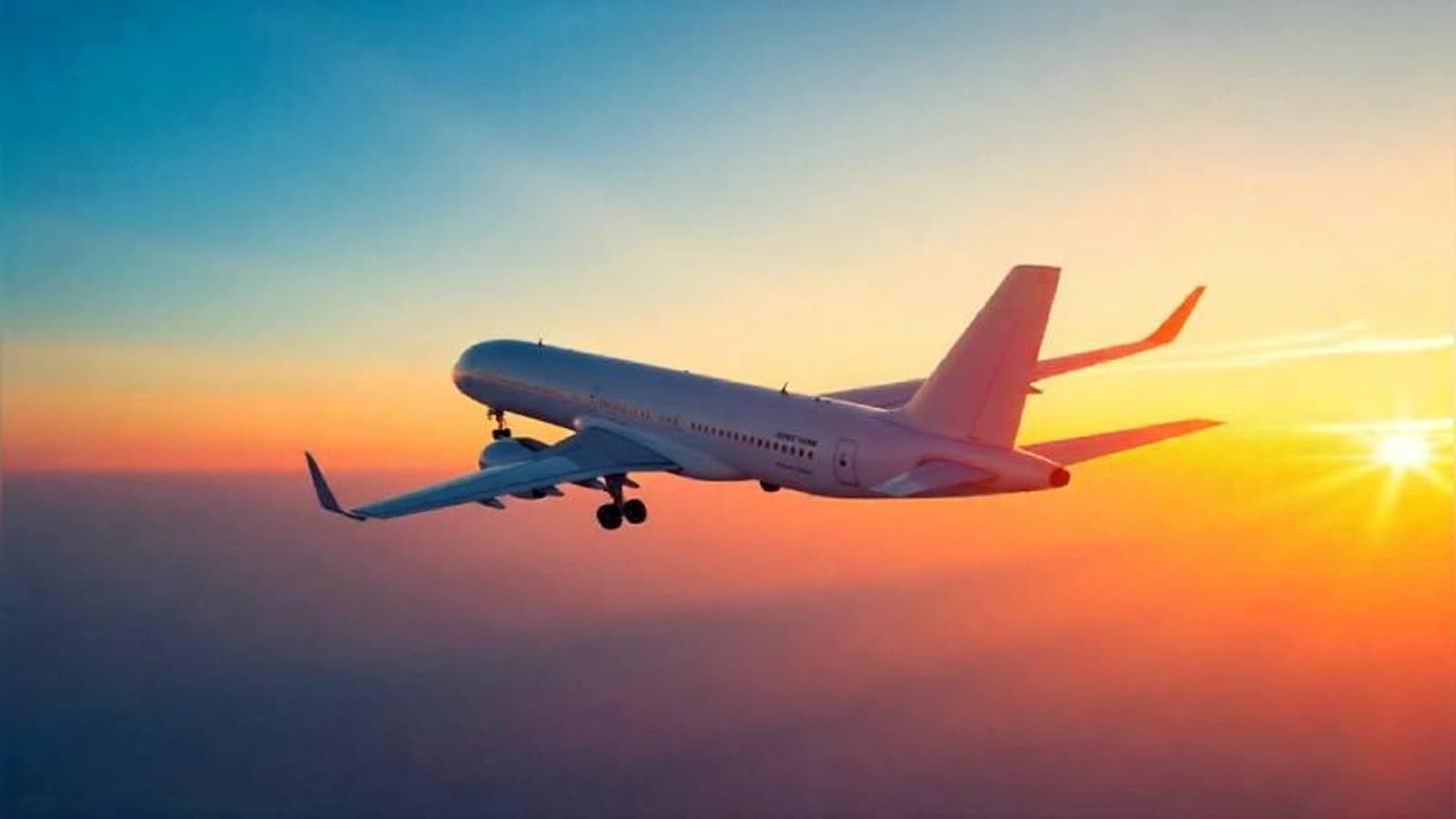
Representative Image
With Diwali and other festivals approaching, expensive flight tickets have become a concern for people planning to travel home. The issue reached the Supreme Court on November 2, 2026, when a petitioner sought urgent action over alleged increases of up to 700% in domestic airfares.
However, the court's response was brief. When an advocate requested an urgent hearing, Justice Vikram Nath remarked, "Don't travel by air. Next case." The bench, which also included Justices Sandeep Mehta and Aparesh Kumar Singh, declined to hear the application urgently. The petition claimed that domestic flight prices had increased several times on popular routes during the festive season. The petitioner argued that air travel had become an important service and that such steep increases placed an unfair financial burden on passengers. The court did not pass a final order on the airfare issue. The original petition is scheduled for its next hearing on November 16, 2026.

Why Are Flight Tickets Becoming So Expensive?
Airlines in India generally decide ticket prices according to demand, seat availability and the time left before departure. This means fares can increase as cheaper seats sell out, particularly during festivals and holidays. The latest petition claimed that tickets on some domestic routes had become two to seven times more expensive than their usual prices.
The Delhi-Kolkata route, where a ticket that normally cost around ₹10,000–₹11,000 reportedly reached ₹78,694 for travel around November 6. These figures were cited in the petition and should not be understood as a nationwide increase across every airline or route. Airlines also consider expenses such as aviation fuel, airport charges and other operating costs when setting ticket prices. However, the petitioner argued that higher operating costs alone cannot explain such sharp differences in fares.
What Is the Passenger's Demand?
The petition was filed by social activist S. Laxminarayanan, who has approached the Supreme Court seeking greater control over airline pricing. His demands include limits on unusually high ticket prices during festivals, clearer information about how airlines calculate fares and stronger protection for passengers.
The petition has also raised concerns about additional charges and the reduction in free checked baggage allowance from 25 kg to 15 kg in economy class. The petitioner argues that people should not have to pay several times the usual fare simply because they need to travel during a busy period.
Government Introduces New Rules for Airline Fares
Amid the ongoing debate, the Centre notified the Bharatiya Vayuyan Niyam, 2026, on October 31. The new rules will come into effect on January 1, 2027, replacing the nearly 90-year-old Aircraft Rules, 1937. Under Rule 192, airlines will have to share their ticket pricing details with the Directorate General of Civil Aviation (DGCA). They will also have to publish fares on their websites and digital booking platforms.
Passengers will be shown a clear breakdown of the total ticket price, including the basic fare, taxes, fees, cancellation charges and refund conditions. The rules also give the government the power to direct airlines to change their fares if an extraordinary situation requires action in the public interest. However, the new rules do not introduce a fixed maximum price for domestic flight tickets. They mainly aim to improve transparency and allow government intervention in exceptional situations.
The new rules may make ticket pricing clearer, but whether they will bring down airfares remains uncertain.For passengers, the problem is particularly serious during festivals when train tickets are difficult to find and flight prices rise sharply. Students, working professionals and families who need to travel at short notice can face limited affordable options.
The Supreme Court's November 16 hearing will be important in understanding how the government plans to address the concerns raised in the petition. For now, passengers continue to face market-driven ticket prices, while the new rules are expected to bring greater transparency from January 2027.

Supreme Court's 'Don't Travel by Air' Remark Puts Rising Flight Ticket Prices Under Spotlight

Ladakh Administration Asks Sonam Wangchuk's School to Halt Classes Amid Land Dispute

Dubai tightens approval rules for Islamic education teachers in early childhood centres
Supreme Court Seeks Centre’s Response on Facial Recognition of Protesters in Delhi

Tamil Nadu Board Exams 2026: CM Vijay to Honour Class 10, 12 Toppers at Chennai Event Today
Supreme Court Seeks Centre’s Response on Facial Recognition of Protesters in Delhi

GRAP Stage II Kicks In as Delhi's AQI Worsens

NEET PG 2027: Rank-Based Merit System May Replace Percentile, NMC Proposes Major Admission Reform

US Midterm Elections 2026: Democrats Gain Control of Congress

Anonymous complaints, audio reports: Kerala introduces new mechanism to tackle campus ragging

Supreme Court's 'Don't Travel by Air' Remark Puts Rising Flight Ticket Prices Under Spotlight
Ladakh Administration Asks Sonam Wangchuk's School to Halt Classes Amid Land Dispute
Dubai tightens approval rules for Islamic education teachers in early childhood centres
Supreme Court Seeks Centre’s Response on Facial Recognition of Protesters in Delhi
Tamil Nadu Board Exams 2026: CM Vijay to Honour Class 10, 12 Toppers at Chennai Event Today
Supreme Court Seeks Centre’s Response on Facial Recognition of Protesters in Delhi
GRAP Stage II Kicks In as Delhi's AQI Worsens
NEET PG 2027: Rank-Based Merit System May Replace Percentile, NMC Proposes Major Admission Reform
US Midterm Elections 2026: Democrats Gain Control of Congress
Anonymous complaints, audio reports: Kerala introduces new mechanism to tackle campus ragging
Copyright© educationpost.in 2026 All Rights Reserved.