


A petition has raised concerns over police use of face-scanning technology at protest sites, bringing citizens' privacy and the right to peaceful demonstration into focus.
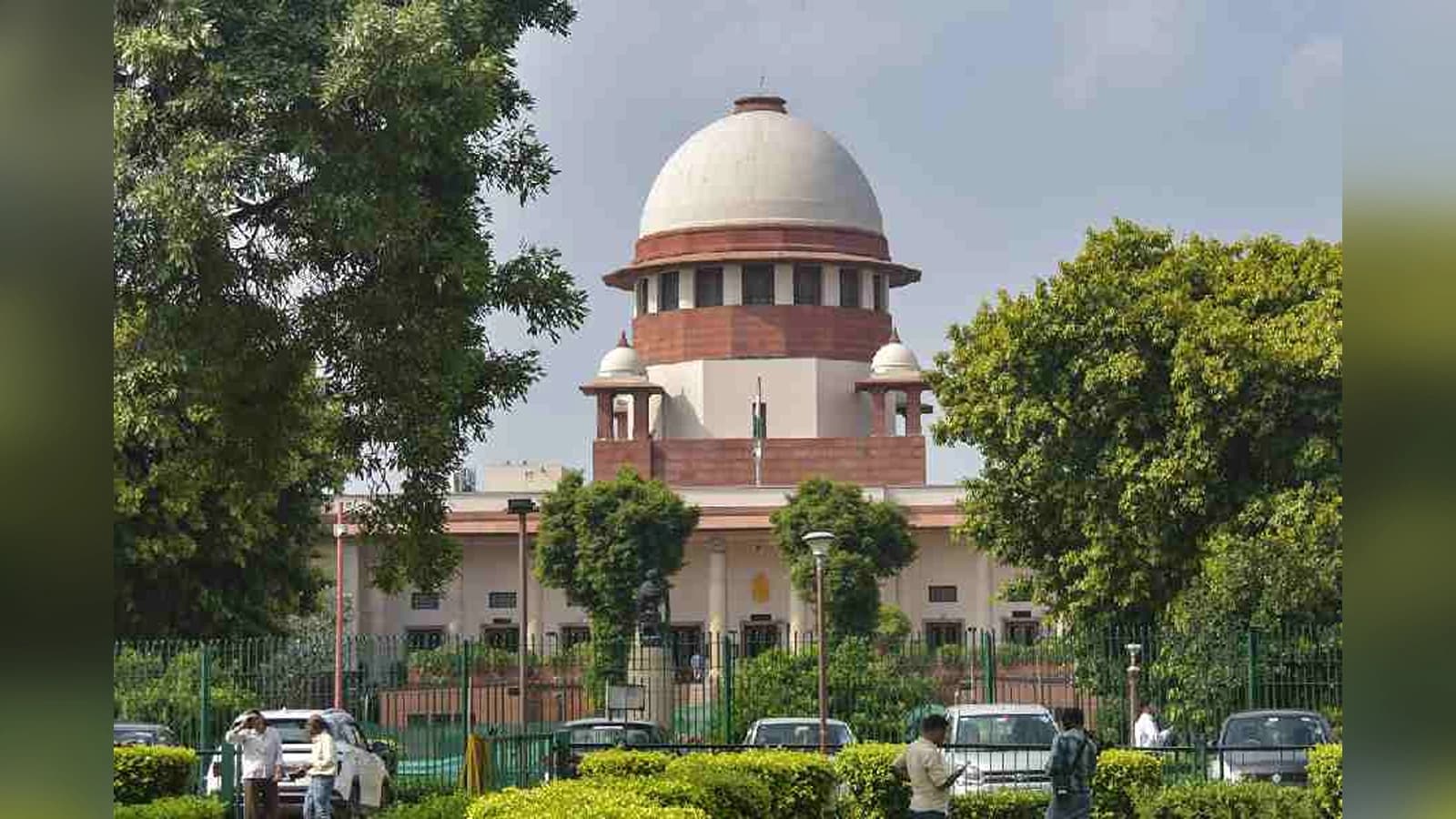
SC hearing on facial recognition technology and surveillance of protesters in Delhi.
The Supreme Court has sought the Centre’s response to a petition challenging the use of facial recognition technology to identify people attending protests in Delhi. The case has brought a larger question into focus: how far can authorities go in monitoring citizens in the name of public safety?
On November 3, a bench headed by Chief Justice of India Surya Kant, along with Justices Joymalya Bagchi and V. Mohana, issued notice to the Centre. The petition, filed by the Software Freedom Law Centre (SFLC), questions the use of facial recognition and surveillance systems at designated protest sites. The petitioners argue that scanning people's faces and matching them with police records can affect their right to privacy and discourage citizens from participating in peaceful demonstrations.

How Did the Controversy Begin?
The issue is linked to student protests held at Delhi's Jantar Mantar in July 2026 over the alleged NEET paper leak. During the demonstrations, Delhi Police deployed surveillance vehicles equipped with cameras and facial recognition software. The technology scans faces captured on camera and compares them with photographs stored in police databases. According to an affidavit submitted by Delhi Police to the Supreme Court, its facial recognition system identified 2,873 people whose details matched existing police records. The police said the system was used to identify people with criminal backgrounds and maintain security during the protests. However, the figure has raised questions about how the technology works and whether its results can always be trusted.
An investigation by The Indian Express found that at least 25 people from a group of individuals flagged for serious offences were reportedly in jail when the system identified them at the protest site. The findings raise concerns about possible errors in facial recognition matches.
What Did the Supreme Court Question?
During the November 3 hearing, Justice Joymalya Bagchi raised an important question: Does a person lose their right to privacy simply because they are standing in a public place? The discussion focused on the difference between recording someone through CCTV and using facial recognition software to identify them by matching their face with police records. Solicitor General Tushar Mehta, representing the Centre, argued that CCTV cameras are used to prevent untoward incidents and protect public safety, including the safety of women.
Advocates Prashant Bhushan and Menaka Guruswamy, representing the protesters, questioned the use of facial recognition and argued that authorities should explain the legal basis for such surveillance. The Supreme Court has not declared the technology illegal. It has sought the Centre's response before examining the matter further.
In its landmark 2017 Puttaswamy judgment, the Supreme Court recognized privacy as a fundamental right under the Constitution. India also has the Digital Personal Data Protection Act, 2023, which governs the processing of digital personal information. However, the law includes certain exemptions for activities related to preventing, detecting and investigating offences.
From a Mars Dream to Indian Army Trials: BITS Students Develop GPS-Free Drone Technology
AI tutor outperforms classroom learning in US university trial, OECD report finds

Delhi: 9-year-old girl dies after collapsing in Lovely Heritage School classroom; family questions medical response

Karnataka CM urges private schools to partner with 1,000 government schools in rural areas

Ladakh Becomes India's First 100% Organic Union Territory: What It Means for Farmers
AI tutor outperforms classroom learning in US university trial, OECD report finds

Why will students lose Google Search access if schools reject Google's AI tools? Company announces new rules

Australian experts back school digital detox as concerns grow over AI and screen use

Want to prepare for married life? Goa college introduces a certificate course on relationships

NCTE forms panel to include ITEP graduates in CTET, STET eligibility criteria

From a Mars Dream to Indian Army Trials: BITS Students Develop GPS-Free Drone Technology
AI tutor outperforms classroom learning in US university trial, OECD report finds
Delhi: 9-year-old girl dies after collapsing in Lovely Heritage School classroom; family questions medical response
Karnataka CM urges private schools to partner with 1,000 government schools in rural areas
Ladakh Becomes India's First 100% Organic Union Territory: What It Means for Farmers
AI tutor outperforms classroom learning in US university trial, OECD report finds
Why will students lose Google Search access if schools reject Google's AI tools? Company announces new rules
Australian experts back school digital detox as concerns grow over AI and screen use
Want to prepare for married life? Goa college introduces a certificate course on relationships
NCTE forms panel to include ITEP graduates in CTET, STET eligibility criteria
Copyright© educationpost.in 2026 All Rights Reserved.