


DIDAC Skills 2026 will bring industry leaders, skill councils and educators together in Bengaluru to promote practical training, workforce readiness and industry-aligned education.
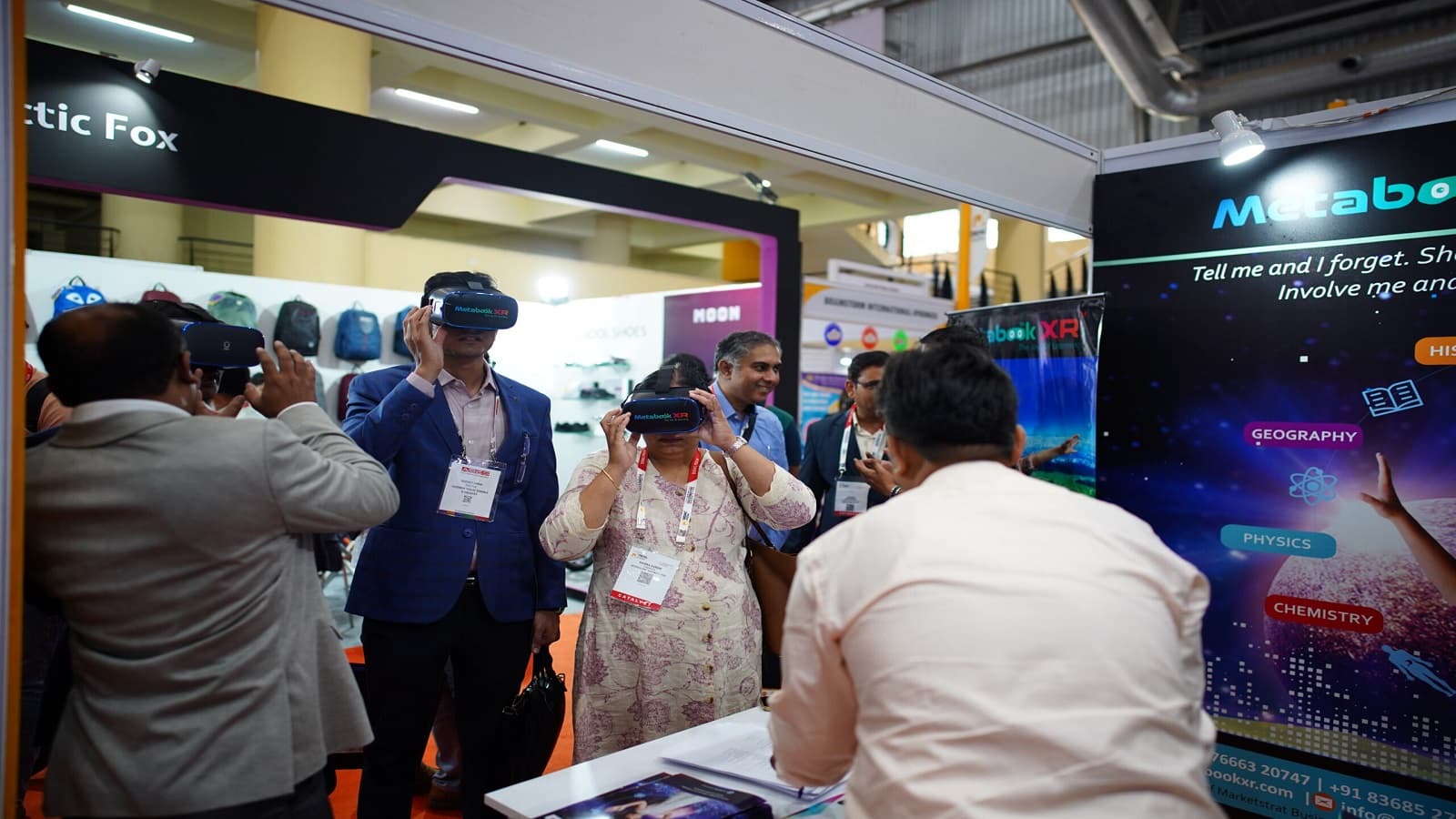
India’s expanding manufacturing and services industries are increasing the demand for skilled workers, highlighting the need to strengthen vocational training, practical education and industry-academia partnerships. Against this backdrop, DIDAC Skills 2026 is set to focus on bridging the gap between employers’ requirements and the skills available in the workforce.
Scheduled for November 25–27 at the Bangalore International Exhibition Centre (BIEC), the event will bring together industry representatives, educational institutions, training providers and Sector Skill Councils to explore ways to improve employability and prepare young people for emerging job opportunities.

The organisers say the event will focus on competency-based learning, modern training technologies and stronger collaboration between industry and education providers. DIDAC Skills 2026 will take place alongside DIDAC India, creating a joint platform for stakeholders from the education and vocational training sectors.
The press release cites employment projections across several industries to illustrate the scale of India’s workforce development challenge. However, these figures come from different organisations and use different timeframes and definitions, so they should not be treated as a single, directly comparable estimate.
According to the figures provided by the organisers, the automotive industry could add 20–25 lakh direct jobs by 2030, while the logistics sector may require an additional 47 lakh skilled workers over the same period. The telecom sector is projected to create around 10 lakh roles, while clean energy could generate more than 44 lakh full-time-equivalent jobs by 2030.
The release also cites an estimate of nearly two crore additional jobs in textiles and apparel over a three-year period. This projection requires further verification against the relevant Ministry of Textiles publication before it can be presented as an independently confirmed forecast.
Together, these figures highlight the importance of ensuring that education and training programmes keep pace with changing occupational requirements, technological developments and investment in emerging industries.
DIDAC Skills 2026 is scheduled to take place from November 25 to 27 at BIEC in Bengaluru. The event’s official website describes it as an exhibition and conference focused on the future of work, skills development and workforce transformation.
Didac Skills
+1
The programme is expected to feature live demonstrations, hands-on workshops, training technologies, skills challenges and opportunities for industry networking. The aim is to encourage practical learning and help training institutions align their programmes with changing workplace requirements.
The event will cover a range of fields, including advanced manufacturing, healthcare, water management, furniture and fittings, beauty and wellness, sports and fitness, and emerging technologies. Sector Skill Councils and industry representatives are expected to contribute their expertise to discussions on occupational skills and workforce development.
Aditya Gupta, CEO of the India Didactics Association, said India needs to focus not only on creating employment opportunities but also on preparing people to take advantage of them.
He emphasised the importance of moving beyond qualification-based education towards competency-based learning, with greater attention to practical experience, industry exposure and adaptability. He said DIDAC Skills 2026 aims to connect employers with the skilling ecosystem and encourage the adoption of modern training technologies.
Rahul Mehta, CEO of the Furniture and Fittings Skill Council, highlighted the wide range of career opportunities in the interiors and furniture industries. He noted that the sector encompasses design, manufacturing, installation and delivery, with demand linked to residential, commercial and institutional construction.
Mehta also pointed to the growing influence of artificial intelligence and technology on design and production, while emphasising the continuing importance of workers who can build, install and solve practical problems.
Varun Tandon, CEO of the Water Management and Plumbing Skill Council, highlighted the need for workers to combine practical expertise with digital skills. He identified smart plumbing, water auditing, rainwater harvesting, wastewater reuse and green building services as areas where specialised capabilities are increasingly relevant.
He also noted that career opportunities in the sector can extend from technical roles to supervisory positions, contracting, auditing and entrepreneurship.
A key objective of DIDAC Skills 2026 will be to improve coordination between employers, educational institutions and training organisations. The event is intended to encourage partnerships that make curricula more relevant, modernise training infrastructure and increase access to hands-on learning.
The organisers believe that stronger alignment between education and industry can help young people develop the competencies required for changing job roles. The platform will also offer participating companies and institutions an opportunity to showcase equipment, technologies and training solutions.
With DIDAC India taking place at the same venue and during the same dates, the two events will bring together stakeholders from education, vocational training and industry. Their combined focus will be on strengthening the connection between learning, practical skills and employment opportunities in India.

Egypt insists international schools include Arabic, history in final scores

China lets students replace dissertations with practical work. Is India missing a trick?

BITS Design School Opens Applications for 2027 Admissions; Check Last Date and Selection Process
IICA Signs MoU with Association of ARCs to Strengthen Insolvency Training and Industry Collaboration

DIDAC Skills 2026: India’s Emerging Sectors Eye Job Growth, Focus on Skill Development
Egypt insists international schools include Arabic, history in final scores

China’s Chery unveils AI companion robot designed to ease loneliness

New Zealand reforms could leave more students without school qualifications

Alfred Nobel’s will created one of the world’s most recognised prizes. Here’s how

Pepperdine University earns Google recognition and Digital Education Council membership for AI initiatives

Egypt insists international schools include Arabic, history in final scores
China lets students replace dissertations with practical work. Is India missing a trick?
BITS Design School Opens Applications for 2027 Admissions; Check Last Date and Selection Process
IICA Signs MoU with Association of ARCs to Strengthen Insolvency Training and Industry Collaboration
DIDAC Skills 2026: India’s Emerging Sectors Eye Job Growth, Focus on Skill Development
Egypt insists international schools include Arabic, history in final scores
China’s Chery unveils AI companion robot designed to ease loneliness
New Zealand reforms could leave more students without school qualifications
Alfred Nobel’s will created one of the world’s most recognised prizes. Here’s how
Pepperdine University earns Google recognition and Digital Education Council membership for AI initiatives
Copyright© educationpost.in 2026 All Rights Reserved.