


Irish universities say annual funding falls €250 million short of requirements as student numbers rise, putting pressure on institutions to secure more state support for staffing, research and higher education provision.
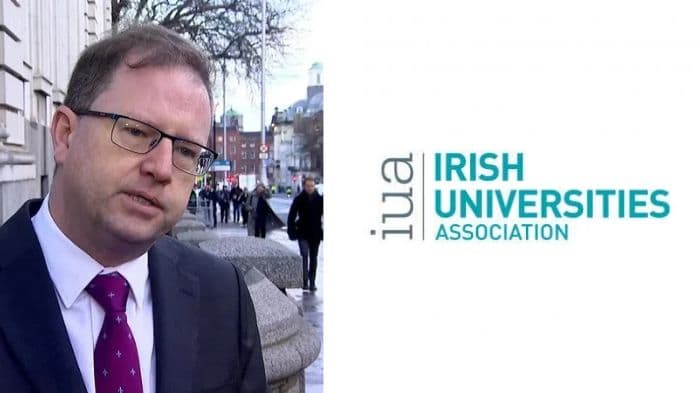
Irish universities are seeking increased state funding, with the Irish Universities Association (IUA) estimating that the higher education sector faces an annual funding gap of around €250 million. The association says rising student numbers, inflation and pay costs not fully covered by the state have widened the shortfall despite earlier funding increases.
The funding concerns were raised at a meeting of Ireland’s Joint Committee on Further and Higher Education, Research, Innovation and Science on Oct 15.

Representatives of the IUA, Trinity College Dublin, University College Dublin and University College Cork discussed investment in academic staff, the use of National Training Fund resources, Ireland’s competitiveness in higher education, and opportunities linked to artificial intelligence and research commercialisation.
The Irish Universities Association, which represents Ireland’s universities on issues including funding, research and higher education policy, sought €190 million in additional core funding for Budget 2027.
IUA Director General Paul Johnston has argued that increases in student numbers and operating costs have pushed the sector’s funding needs beyond the gap identified in 2022. At that time, a government-commissioned report identified a funding gap of €307 million a year.
The pressure is also evident at individual institutions. University College Cork told the committee that student numbers had risen by 23% over eight years, while its inflation-adjusted core state funding had increased by €28 million over the same period. The university warned that financial constraints could affect investment in its estate and research infrastructure, as well as its ability to attract and retain staff.
However, the €250 million figure is contested. On Oct 18, Higher and Further Education Minister James Lawless said the estimate was significantly higher than the previously agreed funding gap.
He said the earlier gap of €307 million had fallen to €130 million, according to the IUA, and argued that the €250 million figure also accounts for pay and pension costs.
The minister said he intended to address the funding gap and would work on an updated assessment of universities’ funding requirements.
Talking to local media, James said the demand is significantly in excess. "It's very difficult two or three weeks before our Budget to come out with this pre-budget submissions, which is magnifying the figure that has previously been agreed ten times from €25 million up to €250 million, the minister said.
The funding dispute comes as universities face growing demand. At the Oireachtas committee meeting on Oct 15, representatives told politicians that the number of third-level students in Ireland had increased by 54% since 2008, while state funding per student had fallen by 34% in real terms over the same period. Demand for higher education is projected to grow by a further 19% into the early 2030s.
University leaders warned that the pressure is affecting their ability to maintain facilities, replace equipment and plan for future enrolment. Professor Vincent Cunnane, president of the Technological University of the Shannon (TUS), said the institution was struggling to cover necessary expenses and had limited funds for updating laboratory and scientific equipment.
Cunnane also said unexpected student visa refusals were affecting the financial viability of some postgraduate programmes. He cited one master's programme for which 24 Indian students had been accepted and sought visas, but 21 applications were rejected. He said some courses would have to be cut or students offered alternative programmes as a result.
At University College Cork (UCC), Sean O'Driscoll, chair of its governing authority, estimated that unexpected visa refusals would result in €3.7 million in lost student fee income during the academic year. International students generally pay higher fees than domestic and European students, making recruitment an important source of income for universities.
O'Driscoll also warned that public-sector pay increases could deepen universities’ financial pressures because the state does not cover their full cost. He said universities had to fund the remaining share themselves, limiting their ability to absorb rising operating expenses.

China shuts three Tibetan schools, raising fears for language and cultural identity
UP STF to Verify Certificates of Classes 1–8 Teachers; Allahabad HC Warns Officials Against Laxity

AP Inter Exams 2027: BIE Revises Answer Booklets, Biology OMR Sheets

Australia opens national youth survey to shape new government strategy
Irish universities seek more state funding amid €250 million shortfall
China shuts three Tibetan schools, raising fears for language and cultural identity

CCPA reports 3,940 delistings in crackdown on online sale of explosive substances
UGC seeks governors’ intervention as 82 Tamil Nadu institutions face 150 fee-refund complaints

Engineering Must Build Foundations, Not Chase Every Trend: Dr. Arya Kumar Bhattacharya

France protests escalate as Macron rejects minister’s resignation, students block Louvre

China shuts three Tibetan schools, raising fears for language and cultural identity
UP STF to Verify Certificates of Classes 1–8 Teachers; Allahabad HC Warns Officials Against Laxity
AP Inter Exams 2027: BIE Revises Answer Booklets, Biology OMR Sheets
Australia opens national youth survey to shape new government strategy
Irish universities seek more state funding amid €250 million shortfall
China shuts three Tibetan schools, raising fears for language and cultural identity
CCPA reports 3,940 delistings in crackdown on online sale of explosive substances
UGC seeks governors’ intervention as 82 Tamil Nadu institutions face 150 fee-refund complaints
Engineering Must Build Foundations, Not Chase Every Trend: Dr. Arya Kumar Bhattacharya
France protests escalate as Macron rejects minister’s resignation, students block Louvre
Copyright© educationpost.in 2026 All Rights Reserved.