


A survey by the Chartered Association of Business Schools found that postgraduate recruitment has been particularly affected, with two-thirds of responding schools falling short of their targets amid concerns over visa restrictions and a proposed international student levy.

Nearly seven in 10 UK business schools reported a decline in international student enrolments for the 2026–27 academic year, according to the annual membership survey of the Chartered Association of Business Schools (Chartered ABS).
The survey, which covered 59 institutions, found that 69% of responding schools recorded lower international enrolments compared with the previous academic year. The proportion was almost double the 35% reported in the previous year's survey. Nearly half of the respondents, or 48%, said their international enrolments had fallen significantly.

The findings point to mounting recruitment challenges for UK business schools, which rely heavily on international student fees. The decline has been particularly pronounced at postgraduate level, where 75% of responding institutions reported lower international enrolments, including 60% that recorded significant falls.
Two-thirds of the schools also said they were below their postgraduate recruitment targets. At undergraduate level, the decline was less pronounced, although three in five responding schools reported lower international enrolments.
Visa changes add to recruitment challenges
Changes to the UK's international student visa framework have emerged as a major concern for business schools. Three-quarters of responding deans said the planned reduction in the Graduate Route visa duration had negatively affected recruitment during 2025–26.
The visa period for most international graduates is due to be reduced from two years to 18 months from January 1, 2027. Graduates from certain high-compliance universities with strong labour market outcomes will remain eligible for the two-year period.
The survey found that 82% of respondents expected the negative impact of the shorter Graduate Route to continue during the current academic year. Meanwhile, 39% of schools described the post-study work route as critically important to their ability to recruit international students.
The tightening of the Basic Compliance Assessment (BCA) requirements for institutions sponsoring international students was another concern. Some 60% of respondents said the changes had negatively affected enrolments in 2025–26, rising to 74% for 2026–27.
Stewart Robinson, chair of Chartered ABS and dean of Newcastle University Business School, said the survey results were worse than expected, adding that the effects of changes in international student policy had become increasingly evident.
Proposed international student levy raises concerns
The proposed international student levy is another source of uncertainty for the sector. The survey found that 71% of responding deans expected the measure to negatively affect international student recruitment when introduced.
Business schools are also facing financial pressures linked to falling enrolments. Nearly half of the responding deans reported a decline in income during 2025–26, while three in five expected their income to fall again in the current financial year.
The financial implications extend beyond individual business schools. According to the survey, 86% of deans said their parent universities' finances depended on their business schools' ability to recruit students. Half of the respondents said their universities had asked them to expand international recruitment to help address financial difficulties.
The findings highlight the pressure on UK business schools as they seek to maintain international recruitment amid changes to immigration rules, rising compliance requirements and the prospect of additional costs for international student enrolment.

Canada shifts focus to research talent as New Zealand targets growth in international education

Delhi to Attempt Artificial Rain Again as Pollution Chokes Capital; New Aircraft to Be Deployed

Karnataka Introduces AI Curriculum for Class 9 Students in 1,800 Government High Schools

Anbil Mahesh Poyyamozhi Denied Bail in Tamil Nadu Private Schools Approval Scam Case

Bangladesh HSC 2026 re-evaluation draws 1.08 million applications, results on Nov 23
Canada shifts focus to research talent as New Zealand targets growth in international education
Delhi to Attempt Artificial Rain Again as Pollution Chokes Capital; New Aircraft to Be Deployed

Want to speak Japanese with anime characters? Japan is developing an AI-powered language education app

Why are 3 in 4 Singapore parents turning to private tuition despite trust in schools?
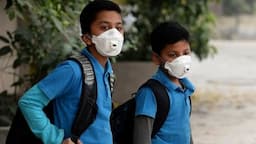
Delhi-NCR schools go hybrid: Which classes are affected and what parents should know?

Canada shifts focus to research talent as New Zealand targets growth in international education
Delhi to Attempt Artificial Rain Again as Pollution Chokes Capital; New Aircraft to Be Deployed
Karnataka Introduces AI Curriculum for Class 9 Students in 1,800 Government High Schools
Anbil Mahesh Poyyamozhi Denied Bail in Tamil Nadu Private Schools Approval Scam Case
Bangladesh HSC 2026 re-evaluation draws 1.08 million applications, results on Nov 23
Canada shifts focus to research talent as New Zealand targets growth in international education
Delhi to Attempt Artificial Rain Again as Pollution Chokes Capital; New Aircraft to Be Deployed
Want to speak Japanese with anime characters? Japan is developing an AI-powered language education app
Why are 3 in 4 Singapore parents turning to private tuition despite trust in schools?
Delhi-NCR schools go hybrid: Which classes are affected and what parents should know?
Copyright© educationpost.in 2026 All Rights Reserved.