


Students, teachers and university advocates demand full implementation of legislation to boost higher education funding as protests in Buenos Aires turn violent.
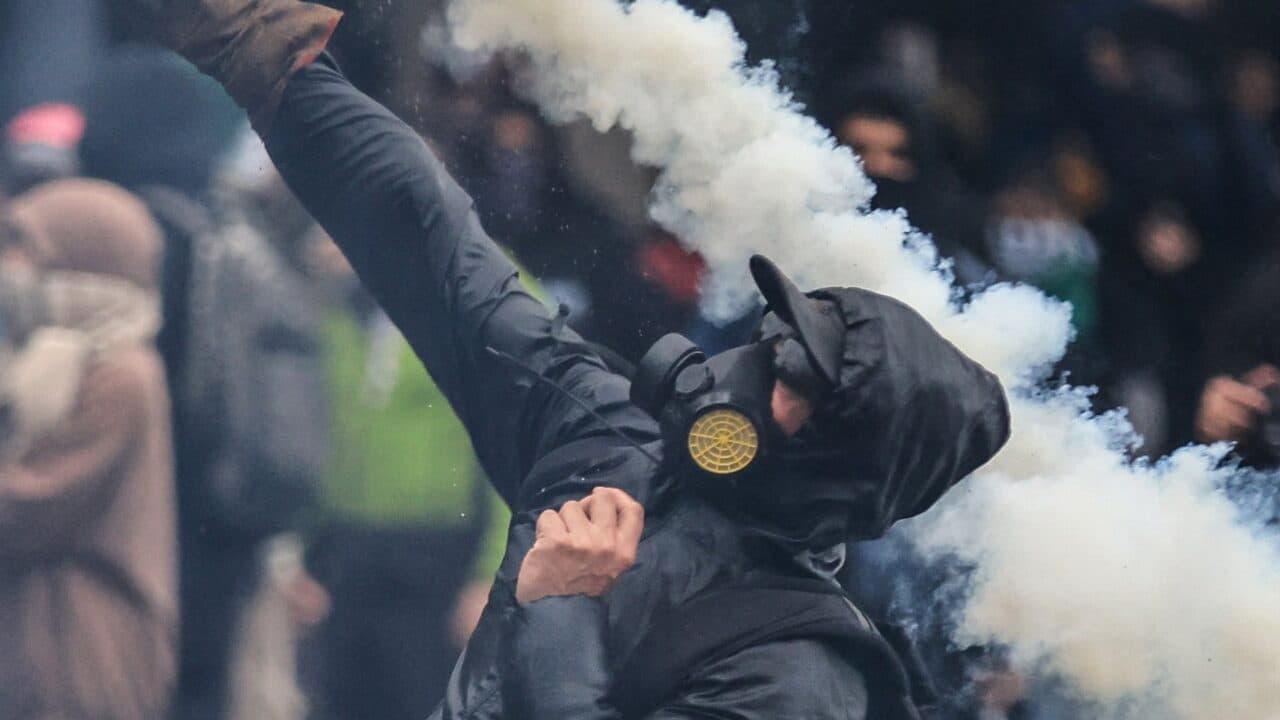
Clashes broke out in Buenos Aires as protesters took to the streets demanding that the Argentine government fully implement a law aimed at increasing funding for universities, escalating tensions over financial support for higher education.
The demonstration, which began peacefully, turned confrontational as police moved to disperse the crowds. The clashes reportedly involved tear gas and physical force, leaving several people injured on both sides.

At the heart of the protest is legislation passed to provide additional resources to universities across Argentina. However, delays in its full implementation have fuelled frustration among students, teachers and education advocates, who say sustained funding is essential to protecting the quality and accessibility of higher education.
Supporters of the law argue that increased financial assistance would help universities strengthen research, upgrade infrastructure and ensure that students from diverse socioeconomic backgrounds have fair access to educational opportunities.
As the demonstrations gathered momentum, confrontations between protesters and law enforcement intensified, prompting renewed calls for restraint and dialogue. The reported injuries further underscored the urgency of resolving the dispute peacefully.
University representatives and student organisations have urged the government to honour its commitments and speed up the release of funds. They warn that prolonged delays could place additional pressure on academic institutions, undermining teaching, research and the educational prospects of students.
The latest protest reflects broader concerns about the financial challenges confronting Argentina’s higher education sector. For students and educators, the dispute extends beyond funding figures to the resources universities need to sustain academic standards and provide meaningful opportunities for future generations.
The government has yet to issue a detailed statement addressing the protesters’ demands or outlining a clear timeline for implementing the law.
As pressure mounts for action, the handling of the funding dispute could have wider implications for public confidence in the government’s education policies and its response to concerns raised by the academic community.
Clashes erupt in Argentina over delayed university funding law

University of Tokyo scientists develop robotic finger covered in living human skin

WCC reviews global education initiatives, sets future priorities
Sapienza, Bologna lead Italy’s 2026 university attractiveness ranking
Pay dispute forces Irish universities to cancel classes as staff strike
University of Tokyo scientists develop robotic finger covered in living human skin
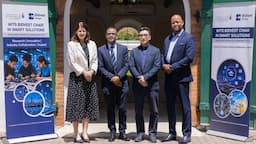
Wits University and Bidvest launch R6 million research chair in AI and smart technologies

At least 30 children dead in Pakistan school roof collapse

Planning to study in Japan? Key changes to language certificates, tuition fees and student visas
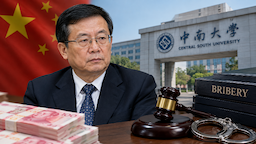
China prosecutes former Central South University president Zhang Yaoxue on bribery charges

Clashes erupt in Argentina over delayed university funding law
University of Tokyo scientists develop robotic finger covered in living human skin
WCC reviews global education initiatives, sets future priorities
Sapienza, Bologna lead Italy’s 2026 university attractiveness ranking
Pay dispute forces Irish universities to cancel classes as staff strike
University of Tokyo scientists develop robotic finger covered in living human skin
Wits University and Bidvest launch R6 million research chair in AI and smart technologies
At least 30 children dead in Pakistan school roof collapse
Planning to study in Japan? Key changes to language certificates, tuition fees and student visas
China prosecutes former Central South University president Zhang Yaoxue on bribery charges
Copyright© educationpost.in 2026 All Rights Reserved.