


University employees joined more than 300,000 public-sector workers in a nationwide 24-hour strike on Oct 14, demanding a new pay agreement and better protections for staff on insecure contracts. A second strike is scheduled for Oct 21.
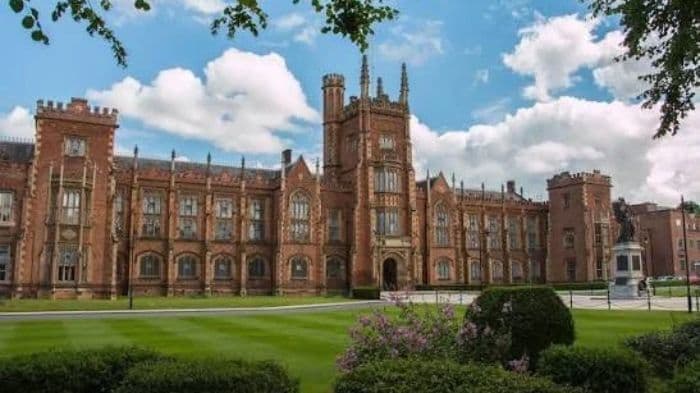
Universities across Ireland cancelled classes and campus events on Oct 14 as academic staff joined a nationwide public-sector strike over stalled pay negotiations with the government.
The walkout involved more than 300,000 public-sector employees, including teachers, healthcare workers and civil servants. It was among Ireland’s largest public-sector strikes in almost two decades, disrupting education and other public services across the country.

The dispute centres on the failure to agree on a successor to the Public Service Agreement 2024–2026, which expired on June 30. University staff are seeking a new pay deal covering the remainder of 2026 and 2027, alongside progress on commitments to improve conditions for workers employed on precarious and fixed-term contracts.
The Irish Federation of University Teachers (IFUT), which represents academic staff, is among the unions taking industrial action. Its members voted by 93% in favour of walkouts last month.
University classes and graduation ceremonies disrupted
The strike affected teaching, campus events and other academic activities at universities across Ireland.
Trinity College Dublin cancelled all teaching and events scheduled for Oct 14, although access to parts of its campus remained available to staff, students and residents under specific arrangements.
At the University of Galway, graduation ceremonies scheduled for the day were postponed until Oct 23. The release of postgraduate results was also delayed.
The disruption followed earlier industrial action notices issued by unions representing university employees. Staff have raised concerns about pay, workloads and employment security, particularly for those working on short-term contracts.
University staff are also seeking consultation before institutions introduce changes such as restructuring departments or adjusting workloads.
Unions demand progress on a new pay deal
The strike reflects a wider dispute between public-sector unions and the Irish government over the terms on which negotiations for a new pay agreement should begin.
Unions argue that pay must be addressed as a priority, citing the rising cost of living and concerns that wages have not kept pace with inflation. They also want any new agreement to protect workers’ living standards over its duration.
The government has called for negotiations to cover pay alongside other issues, including productivity. Public Expenditure Minister Jack Chambers urged union leaders to postpone the October 14 action, but the unions rejected his appeal, saying it did not offer a meaningful change in the government’s position.
Further and Higher Education Minister James Lawless described the industrial action as regrettable while acknowledging workers’ right to strike. He urged unions to return to negotiations.
Second strike scheduled for Oct 21
The unions have scheduled another 24-hour stoppage for Oct 21 unless progress is made towards an agreement.
The prospect of further industrial action has raised concerns about continued disruption to university teaching, examinations and campus services. Institutions may need to reschedule classes and other activities affected by the walkouts.
The immediate dispute is part of a broader national pay negotiation rather than a separate dispute between individual universities and their employees.
A resolution will therefore depend on the government and public-sector unions reaching agreement on the terms of a new pay settlement.

UAE schools prepare for post-break assessments as parents urged to ease student stress

Sharjah sets ethical rules for AI use in schools

Planning to study in Japan? Key changes to language certificates, tuition fees and student visas

Kenya university lecturers plan protests as strike threatens to last for months

International student enrolment at Atlantic Canada universities falls 48% since 2024
Planning to study in Japan? Key changes to language certificates, tuition fees and student visas
China prosecutes former Central South University president Zhang Yaoxue on bribery charges

ICFAI Hyderabad, Sheffield Hallam University sign MoU to strengthen research and academic collaboration

Hindu College protest puts governance, financial transparency and Delhi University's oversight under scrutiny

Ambedkar University Delhi protest: Attendance rules, campus restrictions and suspensions deepen standoff

UAE schools prepare for post-break assessments as parents urged to ease student stress
Sharjah sets ethical rules for AI use in schools
Planning to study in Japan? Key changes to language certificates, tuition fees and student visas
Kenya university lecturers plan protests as strike threatens to last for months
International student enrolment at Atlantic Canada universities falls 48% since 2024
Planning to study in Japan? Key changes to language certificates, tuition fees and student visas
China prosecutes former Central South University president Zhang Yaoxue on bribery charges
ICFAI Hyderabad, Sheffield Hallam University sign MoU to strengthen research and academic collaboration
Hindu College protest puts governance, financial transparency and Delhi University's oversight under scrutiny
Ambedkar University Delhi protest: Attendance rules, campus restrictions and suspensions deepen standoff
Copyright© educationpost.in 2026 All Rights Reserved.