


Nationwide education reforms aim to combat anti-Semitism through classroom learning, with wider changes planned to promote tolerance, social cohesion and understanding of prejudice.

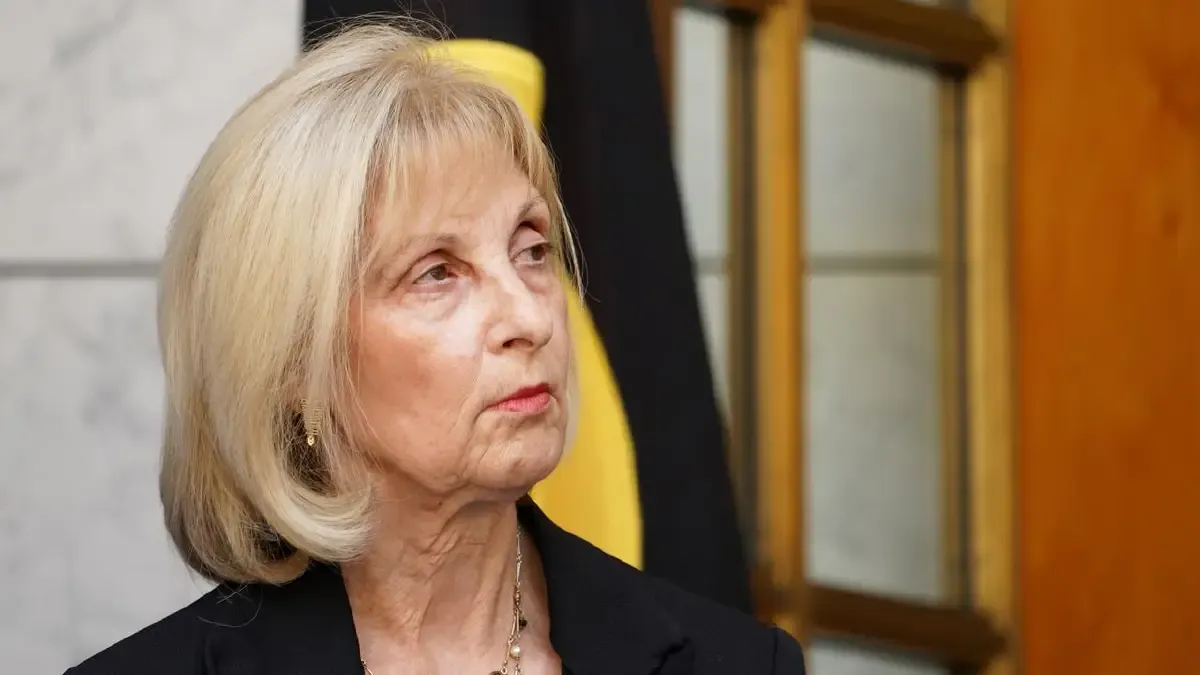
Australian students will study Jewish history and the Holocaust under the new curriculum from 2027. Photo: Dean Lewins/AAP
Australia will introduce lessons on Jewish history and the Holocaust in schools from 2027 as part of a nationwide curriculum overhaul aimed at tackling anti-Semitism and strengthening social cohesion.
The changes, approved by state and federal education ministers recently, will bring Jewish history and the Holocaust into classroom learning as the government seeks to address prejudice through education from an early age. "Kids aren't born racist, they aren't born hating anybody – it's something that's learnt, that's taught," Education Minister Jason Clare said while announcing the reforms on Thursday. Referring to the Bondi massacre last year, Clare warned of the consequences of allowing hatred to take root in society.

The overhaul has been developed by Australia's curriculum authority, with the full package expected to be released in the coming days. It will also include proposed restrictions on artificial intelligence (AI) in classrooms, compulsory civics education and financial literacy lessons. The push for stronger education on anti-Semitism follows disturbing accounts presented to Australia's royal commission on anti-Semitism and social cohesion, which examined the education system in July.

The inquiry heard that Jewish students regularly faced harassment and anti-Semitic abuse at school. Among the incidents described were children throwing coins at Jewish pupils and taunting them with remarks such as "Hitler should have finished the job". The allegations were presented by the principal of Moriah College, one of Australia's largest Jewish schools, in Sydney.
In October, Australia's anti-Semitism special envoy Jillian Segal said students had acquired a reasonable understanding of the Holocaust but lacked deeper knowledge of Jewish history, particularly before and after World War II. She called for a broader approach that would take students beyond textbook learning through museum visits and connect historical lessons with Australian values of tolerance and mutual respect. In her report, Segal also cautioned against turning classrooms into spaces for ideological activism or scapegoating. She argued that education on anti-Semitism should begin in preschool and continue through tertiary education.
During the royal commission hearings in July, she also raised concerns that some teachers lacked the knowledge and confidence to address students' questions about how historical discrimination against Jewish communities has evolved into contemporary anti-Semitism. The newly announced curriculum changes have received the backing of an anti-Semitism education task force established after last year's Bondi massacre and chaired by education reformer David Gonski. Gonski will also lead a new Social Cohesion Education Advisory Council, tasked with examining further curriculum changes to address prejudice and discrimination beyond anti-Semitism.
"Most people would agree that hate is born of fear and fear is born of ignorance," Clare told ABC Radio. "We want to make the same sort of changes to the curriculum to tackle racism and hate in all its noxious forms." However, the proposed overhaul has also raised questions about how effectively schools will address contemporary forms of anti-Semitism. Opposition anti-Semitism spokesman Julian Leeser said the reforms would ultimately be judged by their ability to respond to emerging challenges and help students recognise how prejudice manifests in modern society.
He questioned whether the curriculum would address anti-Semitism linked to Islamic extremism, neo-Nazi movements, the far right and sections of the progressive left. Leeser also argued that students should be taught to recognise when anti-Zionism is used as a cover for hatred towards Jewish people. With the reforms due to enter classrooms in 2027, the challenge will be to ensure that lessons on history translate into a deeper understanding of prejudice, respect for different communities and the ability to recognise discrimination in everyday life.
HABIT Foundation Hosts INNOVATE 2026 in Mumbai to Showcase Student Innovations and Prototypes

Want to prepare for married life? Goa college introduces a certificate course on relationships
Vedanta Power Wins Two India CSR Awards 2026 for Healthcare and Agricultural Development
University of Cumbria appoints Susan Foyle as honorary Professor of Practice

NCTE forms panel to include ITEP graduates in CTET, STET eligibility criteria
Want to prepare for married life? Goa college introduces a certificate course on relationships
NCTE forms panel to include ITEP graduates in CTET, STET eligibility criteria

Australia to introduce Holocaust and Jewish history lessons in 2027 curriculum overhaul

India Launches Three Homegrown AI Models; Dhīr 2B and 5B Can Work Without Internet
IIT Delhi announces new measures to strengthen student mental health support system

HABIT Foundation Hosts INNOVATE 2026 in Mumbai to Showcase Student Innovations and Prototypes
Want to prepare for married life? Goa college introduces a certificate course on relationships
Vedanta Power Wins Two India CSR Awards 2026 for Healthcare and Agricultural Development
University of Cumbria appoints Susan Foyle as honorary Professor of Practice
NCTE forms panel to include ITEP graduates in CTET, STET eligibility criteria
Want to prepare for married life? Goa college introduces a certificate course on relationships
NCTE forms panel to include ITEP graduates in CTET, STET eligibility criteria
Australia to introduce Holocaust and Jewish history lessons in 2027 curriculum overhaul
India Launches Three Homegrown AI Models; Dhīr 2B and 5B Can Work Without Internet
IIT Delhi announces new measures to strengthen student mental health support system
Copyright© educationpost.in 2026 All Rights Reserved.