


The institute's proposed initiatives include additional psychologists, mandatory empathy workshops for staff, formal re-entry protocols and an external assessment of existing welfare policies.
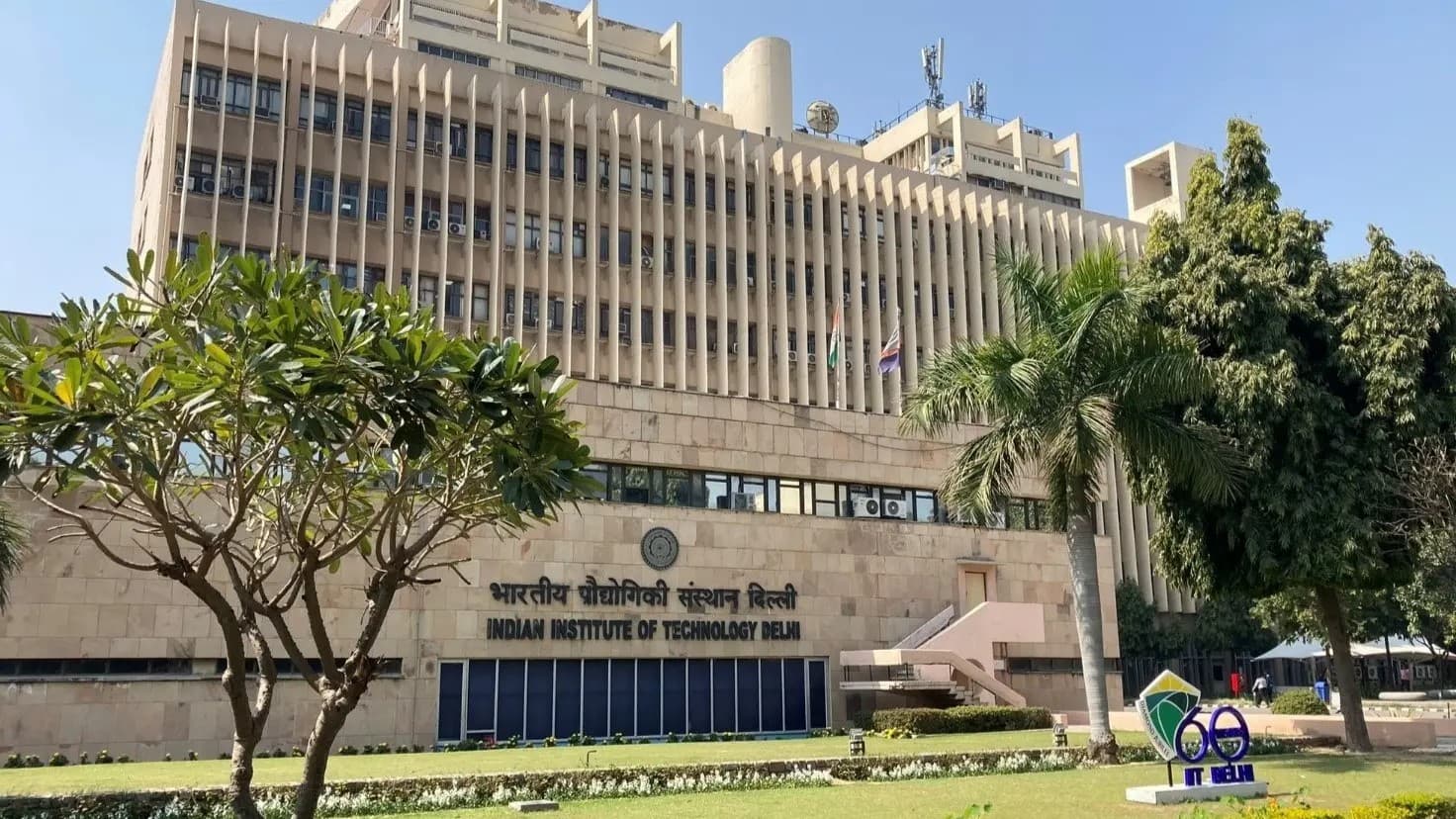
IIT Delhi is set to strengthen its student mental health and grievance redressal framework through a series of institutional reforms, including the appointment of an independent Student Grievance Ombudsperson, additional clinical psychologists and counsellors, and mandatory mental health and empathy workshops for faculty and administrative staff.
The institute has also proposed formal re-entry protocols for students returning after extended leaves of absence. An external committee comprising mental health experts and student representatives will conduct a comprehensive assessment of the existing Mental Health Support System and Wellness Policy.

Several student welfare and grievance redressal mechanisms were already operational at IIT Delhi. The newly announced initiatives are intended to review and reinforce these arrangements, particularly professional mental health support, emergency response, referral procedures and the resolution of student complaints.
The institute outlined the proposed measures in a statement issued after the Student Affairs Council (SAC) meeting held on Nov 3. IIT Delhi said student feedback was incorporated into a time-bound implementation plan during the meeting.
The reforms follow recommendations from an external inquiry committee constituted after the death of an IIT Delhi student, Rishikesh Kumar, on Aug 22. The committee was assigned to examine the circumstances surrounding the incident and identify areas requiring improvement in student welfare and mental health support.
IIT Delhi to appoint independent Student Grievance Ombudsperson
One of the key measures announced by the institute is the appointment of an independent Student Grievance Ombudsperson. The proposed position is intended to strengthen the institutional mechanism for addressing student complaints and grievances.
IIT Delhi will also recruit additional clinical psychologists and counsellors to expand access to professional mental health services. The move is part of a broader plan to improve the availability of psychological support and strengthen existing student assistance systems.
The institute has further proposed mandatory sensitization programs for faculty members and administrative personnel. These workshops will focus on empathy, soft skills and mental health awareness.
The proposed training will cover faculty members, hostel staff and administrative staff who regularly interact with students. IIT Delhi also plans to organize extensive awareness campaigns addressing mental health concerns and laws related to substance use.
Another component of the proposed reforms involves establishing formal re-entry protocols for students returning to academic life after extended leaves of absence. The protocols are intended to provide a structured process for supporting students during their return.
External inquiry committee submits recommendations after student death
The proposed reforms were drawn up following the recommendations of an external inquiry committee constituted after Rishikesh Kumar's death on Aug 22.
The committee was chaired by retired Delhi High Court judge Justice Mukta Gupta. Its other members included a senior expert from the All India Institute of Medical Sciences (AIIMS) and two student representatives.
The panel examined the circumstances surrounding the incident and submitted its report to IIT Delhi. The report was provided on the condition that its contents remain confidential.
The institute clarified that the committee's recommendations primarily concern systemic improvements in mental health support and related institutional mechanisms.
After receiving the report, IIT Delhi formed an internal committee to examine the recommendations and prepare a roadmap for their implementation.
The internal committee included the Deputy Director (Operations), Dean of Student Affairs, Dean of Academics, general secretaries of the Student Affairs Council and Board of Student Welfare, and the Assistant Registrar (Student Affairs).
IIT Delhi said it shared the external committee's recommendations, proposed follow-up measures and implementation roadmap with students, faculty members and staff on Oct 31.
The proposals were subsequently discussed at the November 3 Student Affairs Council meeting, where student feedback was incorporated into the implementation plan.
What will the external review examine?
Apart from the proposed institutional changes, IIT Delhi will constitute a separate external committee to review its existing Mental Health Support System and Wellness Policy.
The proposed panel will comprise two senior mental health experts, one welfare professional and two student representatives.
The review will examine the institute's existing mental health provisions and assess whether its current support arrangements adequately address students' needs.
Its scope will include emergency-response protocols, referral mechanisms and monitoring arrangements. Based on the assessment, the committee will recommend changes to strengthen the existing framework.
However, IIT Delhi has not announced a specific timeline for completing the review or implementing all the proposed measures.
The proposed assessment is expected to cover the broader functioning of the institute's student support arrangements rather than focus exclusively on access to clinical care.
Through these initiatives, IIT Delhi has outlined a wider approach to student welfare, bringing together professional mental health services, independent grievance redressal, academic support for students returning after extended leave and staff sensitization.
The measures also seek to strengthen the role of faculty members and administrative personnel in identifying and responding to student concerns, alongside reviewing the institute's existing emergency and referral systems.
HABIT Foundation Hosts INNOVATE 2026 in Mumbai to Showcase Student Innovations and Prototypes

Want to prepare for married life? Goa college introduces a certificate course on relationships

Vedanta Power Wins Two India CSR Awards 2026 for Healthcare and Agricultural Development

University of Cumbria appoints Susan Foyle as honorary Professor of Practice

NCTE forms panel to include ITEP graduates in CTET, STET eligibility criteria
Want to prepare for married life? Goa college introduces a certificate course on relationships
NCTE forms panel to include ITEP graduates in CTET, STET eligibility criteria

Australia to introduce Holocaust and Jewish history lessons in 2027 curriculum overhaul

India Launches Three Homegrown AI Models; Dhīr 2B and 5B Can Work Without Internet

IIT Delhi announces new measures to strengthen student mental health support system

HABIT Foundation Hosts INNOVATE 2026 in Mumbai to Showcase Student Innovations and Prototypes
Want to prepare for married life? Goa college introduces a certificate course on relationships
Vedanta Power Wins Two India CSR Awards 2026 for Healthcare and Agricultural Development
University of Cumbria appoints Susan Foyle as honorary Professor of Practice
NCTE forms panel to include ITEP graduates in CTET, STET eligibility criteria
Want to prepare for married life? Goa college introduces a certificate course on relationships
NCTE forms panel to include ITEP graduates in CTET, STET eligibility criteria
Australia to introduce Holocaust and Jewish history lessons in 2027 curriculum overhaul
India Launches Three Homegrown AI Models; Dhīr 2B and 5B Can Work Without Internet
IIT Delhi announces new measures to strengthen student mental health support system
Copyright© educationpost.in 2026 All Rights Reserved.