


Gujarat has tightened school access rules, making prior written approval mandatory for outside visitors and restricting unauthorised photography, videography and recording to protect students’ safety and privacy.
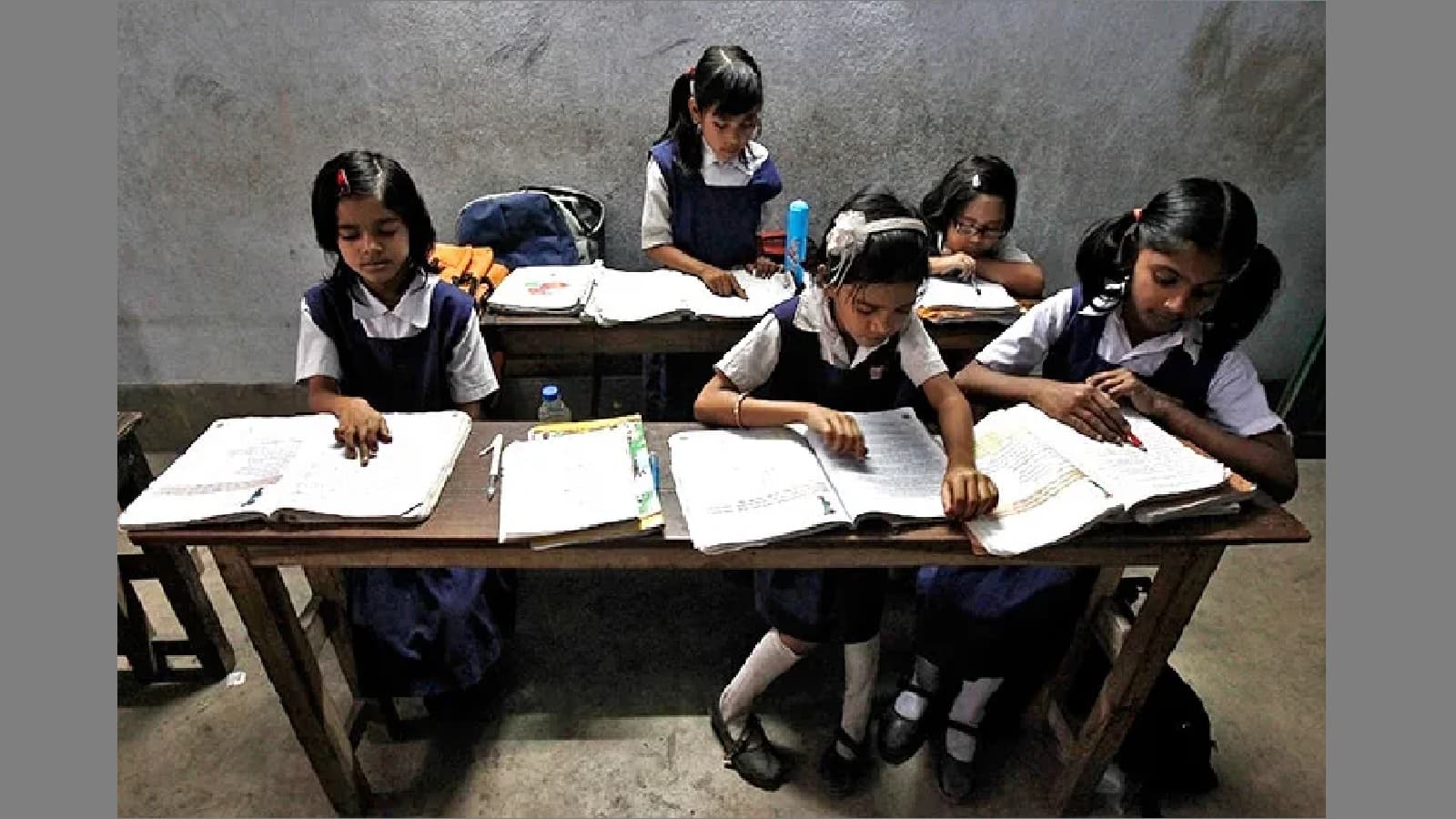
The Gujarat government has introduced stricter entry regulations for schools, directing institutions to prevent unauthorised visitors from entering their premises without prior written permission from the principal or head of the institution.
The Education Department issued a circular on October 21, 2026, outlining measures to regulate access to primary, secondary and higher secondary educational institutions. The rules aim to safeguard students and staff while protecting children’s privacy, dignity and security.

Under the new guidelines, visitors must obtain written approval before entering school premises and record their details in the visitor register. Duly authorised government officials performing their official duties are exempt from the prior-permission requirement.
The instructions also restrict photography, videography, interviews, audio recording and live streaming involving students, teachers or school activities without the principal’s prior written permission. Such activities may be permitted for lawful purposes.
The new guidelines specify how visitors may access school premises and areas where students participate in academic and extracurricular activities.
Anyone visiting a school from outside must obtain prior written permission from the principal or institution head. Visitors are also required to enter their details in the school's visitor register before proceeding.
Authorised government officials carrying out their official responsibilities are exempt from the prior written permission requirement.
Visitors cannot enter classrooms, laboratories, libraries, hostels, playgrounds, toilets and other areas where student activities take place without prior written approval.
In such cases, visitors must also be accompanied by the principal, a teacher or an authorised school official. School principals can refuse entry to individuals whose presence could compromise campus security, privacy, discipline or the academic environment.
The circular prohibits photography, videography, interviews, audio recording and live streaming involving students, teachers or school activities without prior written permission from the principal.
The guidelines also require school authorities to prevent the collection, publication or circulation of students’ photographs, videos and personal information in ways that could threaten their safety, dignity or privacy.
Visitors cannot collect information about individual children or publish their identities or photographs without the required permission, particularly when doing so could harm the child's interests or compromise their safety.
The Gujarat government has directed school heads to act promptly if someone enters the campus without permission, refuses to leave, attempts unauthorised photography or videography, or disrupts school activities.
In such cases, the principal must immediately inform the local police and the relevant education authorities. Depending on the circumstances, legal proceedings may be initiated under applicable laws, including the Bharatiya Nyaya Sanhita, the Protection of Children from Sexual Offences (POCSO) Act and other relevant legislation.
The measures are intended to create a safer, more secure and child-friendly environment in educational institutions.
The circular refers to the principle of in loco parentis, under which the state assumes responsibilities similar to those of a parent in relation to children in government schools. It also refers to Article 21 of the Constitution and the Supreme Court's judgment in K. S. Puttaswamy (Retd.) vs Union of India, which recognised privacy as a fundamental right.
The guidelines further draw on school safety policies and recommendations issued by the National Commission for Protection of Child Rights (NCPCR).
By regulating campus entry and restricting unauthorised recording, the government aims to protect students from potential security risks and misuse of their personal information.
School principals and institutional heads are responsible for implementing the new instructions. They must maintain visitor records, regulate access to restricted areas, safeguard students’ personal information and ensure that unauthorised activities are reported to the relevant authorities.
The circular also directs inspecting officers to monitor compliance with the instructions.
The new rules establish a formal permission process for visitors while allowing duly authorised government officials to perform their official duties under the stated exemption.
Tamil Nadu School Holiday Today: Schools Closed in 3 Districts; Chennai Update
Jhansi School Headmaster Arrested Over Alleged ₹2 Lakh Mid-Day Meal Fund Fraud

Lincoln Tech Expands LeadSquared Partnership to Deploy AI Agents in Student Admissions

FinX, IIBF Join Hands to Expand BFSI Job Opportunities for Banking and Finance Candidates
SSC CHSL 2026 Applications Drop 49%: 15.71 Lakh Candidates Apply for 2,536 Posts
Australian schools record thousands of student sexual misconduct reports as child safety concerns grow
Egypt insists international schools include Arabic, history in final scores

China’s Chery unveils AI companion robot designed to ease loneliness
New Zealand reforms could leave more students without school qualifications

Alfred Nobel’s will created one of the world’s most recognised prizes. Here’s how

Tamil Nadu School Holiday Today: Schools Closed in 3 Districts; Chennai Update
Jhansi School Headmaster Arrested Over Alleged ₹2 Lakh Mid-Day Meal Fund Fraud
Lincoln Tech Expands LeadSquared Partnership to Deploy AI Agents in Student Admissions
FinX, IIBF Join Hands to Expand BFSI Job Opportunities for Banking and Finance Candidates
SSC CHSL 2026 Applications Drop 49%: 15.71 Lakh Candidates Apply for 2,536 Posts
Australian schools record thousands of student sexual misconduct reports as child safety concerns grow
Egypt insists international schools include Arabic, history in final scores
China’s Chery unveils AI companion robot designed to ease loneliness
New Zealand reforms could leave more students without school qualifications
Alfred Nobel’s will created one of the world’s most recognised prizes. Here’s how
Copyright© educationpost.in 2026 All Rights Reserved.