


Teachers, students and parents in parts of Chennai report concerns over substance use and alleged drug supply around schools, highlighting gaps in prevention, reporting and rehabilitation support.
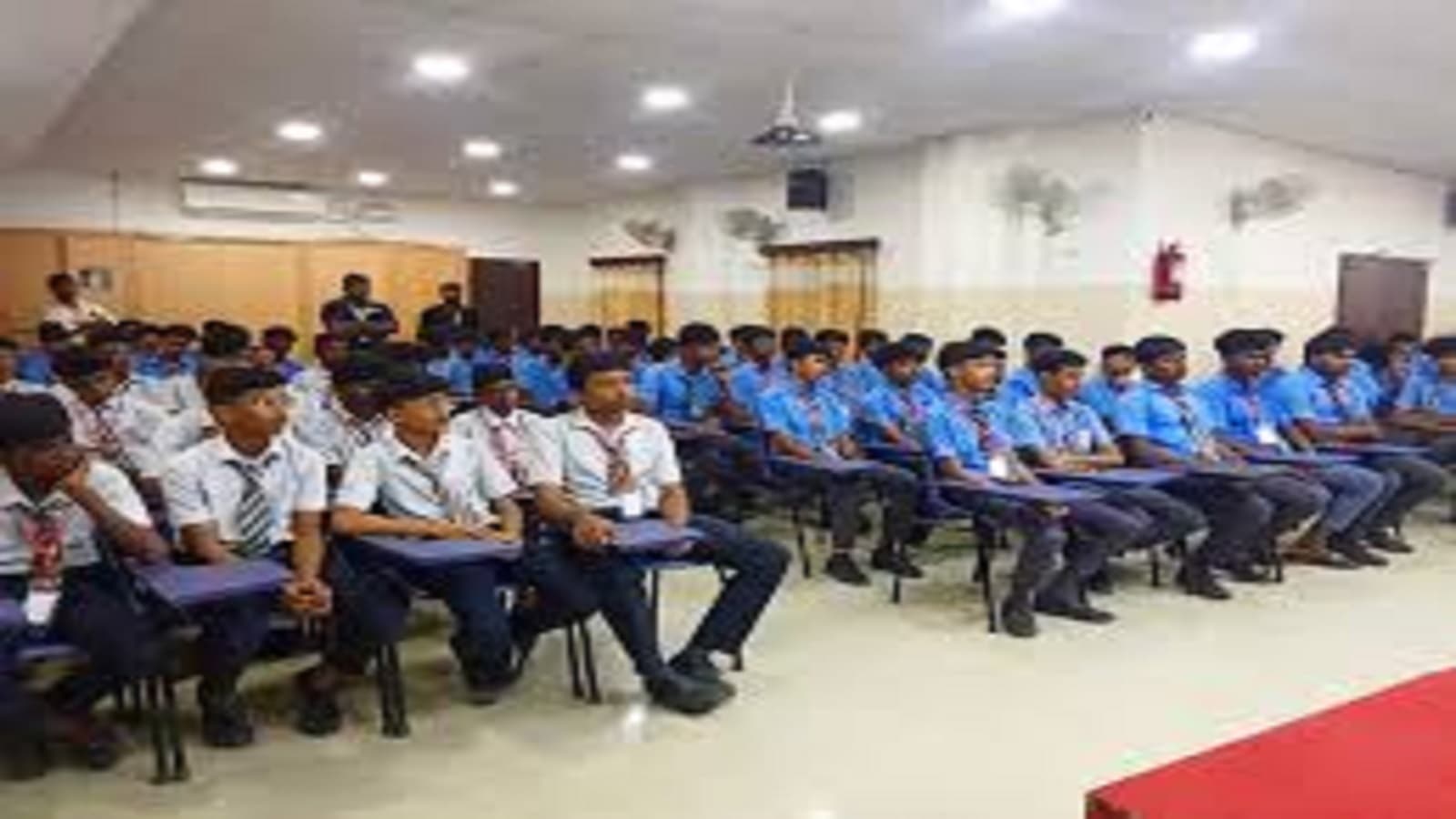
Concerns over substance use among schoolchildren have surfaced in parts of Chennai, where teachers and families say some students are being exposed to drugs and tobacco products both inside school premises and in surrounding neighbourhoods. Their accounts point to the need for stronger prevention measures, safer reporting systems and accessible support for children at risk.
In a report published on October 21, teachers, students and parents described incidents involving suspected drug use, alleged distribution among students and behavioural changes linked by families to substance use. The accounts largely concern individual schools and neighbourhoods; comprehensive official figures showing how many students are affected were not available in the report.

Educators interviewed for the report said they had encountered students suspected of using or carrying substances. Some described repeated incidents involving the same students, while others raised concerns about the difficulty of identifying those involved in alleged supply networks.
A teacher working in Vyasarpadi said a number of students had displayed unusual behaviour over the course of a school year. Another educator in Pattalam described repeated disciplinary incidents involving a small group of students. These are accounts from individual teachers and should not be interpreted as verified statistics for Chennai's government schools as a whole.
Teachers also expressed concern about school grounds being used by outsiders after school hours. One educator said children had handled discarded injection-related material found in a playground. Such reports underline the importance of keeping school spaces secure, inspecting premises and ensuring that potentially hazardous waste is removed safely.
Students quoted in the report said they sometimes felt intimidated by older pupils and were reluctant to speak openly about suspected drug activity. Their accounts suggest that confidential ways to report concerns, alongside protection from bullying or retaliation, may be important parts of any school-level response.
The report also recounts cases in which parents suspected substance use after noticing unexplained money, missing household valuables or significant changes in their children's behaviour. One mother said she discovered that her teenage son had sold family gold. Other parents described concerns about their school-age sons allegedly becoming involved in selling drugs.
These are individual family accounts rather than independently established findings about the wider student population. Nevertheless, they illustrate the pressures families can face when they suspect a child is using or distributing substances.
Some also described difficulties distinguishing possible intoxication from other behavioural or developmental issues. Behavioural changes alone cannot establish drug use, and children should not be labelled or punished on suspicion without an appropriate assessment.
Tamil Nadu has undertaken initiatives aimed at discouraging drug use among young people. An official Lok Bhavan account records a state-level launch of a drug-free pledge campaign in Chennai on August 5, 2026. A separate state-level programme on August 11 included a pledge against drug use and the launch of a Drug and Tobacco-Free Campus campaign, according to reporting by the Indian Express's Tamil edition. <Cite refs={["turn542998search3","turn542998news7"]} />
Teachers interviewed for the report questioned whether awareness sessions alone were sufficient to address the problem. Their concerns point to the need for sustained education about the risks of substance use, staff training, coordination with families and effective channels for reporting suspected supply.
Schools may also need clear protocols for responding to suspected intoxication, protecting students who report incidents and involving appropriate health professionals and authorities when necessary. Suspected trafficking or distribution requires a response from the relevant authorities, while children experiencing substance-related problems need care and support rather than stigma.
The report describes families who sought help from rehabilitation centres after becoming concerned about their children's substance use. Experiences differed: some families hoped treatment would prevent further harm, while others said they had not seen lasting improvements.
Treatment outcomes depend on the individual child's needs and the quality and suitability of care. Rehabilitation should therefore involve qualified health professionals, appropriate assessment and continuing support for the child and family, rather than relying on institutional placement alone.
A psychiatrist quoted in the report identified possible warning signs that families may notice, including abrupt behavioural changes, unusual agitation and physical symptoms. However, such signs can have many causes and do not independently prove substance use. Parents and teachers who are concerned should seek a professional assessment instead of attempting to diagnose a child themselves.
The accounts collected by highlight concerns about student safety, alleged drug access and the challenges educators face in responding. They do not, by themselves, establish the prevalence of substance use across Chennai's schools.
A sustained response would combine prevention education with secure school environments, confidential reporting, appropriate enforcement against those supplying drugs, and accessible health and counselling services for children who need help. Cooperation among school authorities, parents, health professionals, community organisations and law-enforcement agencies will be essential to address the concerns raised by educators and families.

Delhi Police may seek further custody of CJP leaders Saurav Das, Ashutosh Ranka
SBI probes data leak after personal details in 3,897 customer records surface on dark web
Chennai Government Schools Face Drug Abuse Concerns as Teachers Call for Stronger Action

FUEL to Celebrate 20th Foundation Day and 2nd Convocation in Pune on October 24

Former Russian Test Cosmonaut Nikolai Tikhonov Discusses Space Exploration at Chennai Science Festival
Delhi Police may seek further custody of CJP leaders Saurav Das, Ashutosh Ranka
SBI probes data leak after personal details in 3,897 customer records surface on dark web
Sharjah schools set boundaries for AI use in homework and exams

Former MIT scientist wins $6 million defamation verdict in misconduct dispute

McMahon highlights Trump’s push to return education powers to states

Delhi Police may seek further custody of CJP leaders Saurav Das, Ashutosh Ranka
SBI probes data leak after personal details in 3,897 customer records surface on dark web
Chennai Government Schools Face Drug Abuse Concerns as Teachers Call for Stronger Action
FUEL to Celebrate 20th Foundation Day and 2nd Convocation in Pune on October 24
Former Russian Test Cosmonaut Nikolai Tikhonov Discusses Space Exploration at Chennai Science Festival
Delhi Police may seek further custody of CJP leaders Saurav Das, Ashutosh Ranka
SBI probes data leak after personal details in 3,897 customer records surface on dark web
Sharjah schools set boundaries for AI use in homework and exams
Former MIT scientist wins $6 million defamation verdict in misconduct dispute
McMahon highlights Trump’s push to return education powers to states
Copyright© educationpost.in 2026 All Rights Reserved.