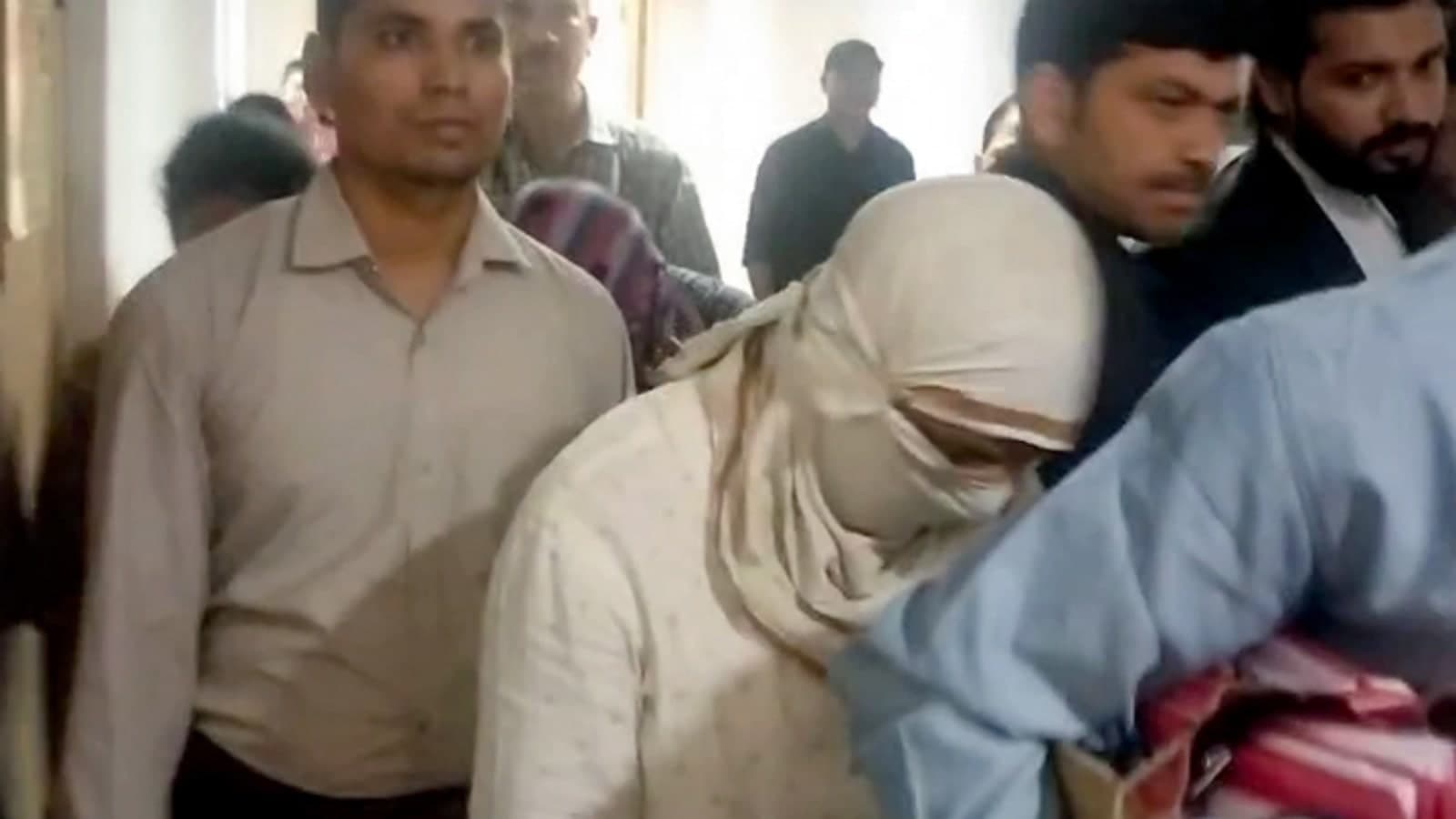
With the CBI arresting two individuals linked to the NEET-UG 2026 question paper preparation process, the National Testing Agency (National Testing Agency) has flagged a list of question paper setters and translators who are now “on the agency’s radar” for further investigation, sources said.
The names have been shared with the Central Bureau of Investigation as the probe intensifies into the examination paper leak. At the same time, the NTA is learnt to be overhauling its existing pool of paper setters and translators ahead of the NEET-UG retest scheduled for June 21.

The agency’s internal review follows investigators tracing the breach to the earliest stage of the examination process, where the question paper is first created. The exam process typically moves through several layers, from paper setting and translation to printing and eventual distribution to exam centres.
Officials said the NTA is now considering removing a group of question setters and translators from its existing panel, with some of those names already submitted to the CBI as part of the ongoing investigation.
On May 16, the CBI arrested P V Kulkarni, a retired lecturer from Pune, describing him as the “source of the NEET-UG 2026 examination paper leaks”. On May 17, it arrested another Pune-based academic, Manisha Gurunath Mandhare.
According to NTA sources, Kulkarni was involved in preparing questions for the Chemistry section and translating them into Marathi. The agency often assigns the same expert both question-setting and translation duties to limit the number of people with access to confidential papers.
A CBI spokesperson said Mandhare had been appointed by the NTA as a subject expert and had access to the Botany and Zoology sections.
The latest revelations have raised fresh concerns over the security of the NTA’s paper-setting system, despite protocols introduced following recommendations by an expert committee formed in 2024.
Under those guidelines, subject experts from across India, including a chief paper setter, are brought together in a secure, acoustically insulated room with no internet access or transparent glass. Personal belongings, including mobile phones and laptops, are barred from the room, and experts are required to seal their work at the end of each day.
The recommendations also mandate that language experts certify that no third party, including printing presses, has seen the question paper content, marking scheme or question format.
When the NEET-UG paper leak controversy reached the Supreme Court of India in 2024, the NTA had informed the court that question papers were prepared only in restricted-access areas under tightly controlled conditions.
Earlier this week, NTA Director General Abhishek Singh said that the agency had followed all committee-recommended security protocols. The latest arrests, however, have placed those safeguards under renewed scrutiny.