


Under the 'Namma Shaale Namma Javabdari' programme, private schools and companies are being encouraged to support rural government schools through teachers, computers, laboratory equipment and infrastructure funding. The first phase aims to cover 1,000 schools.
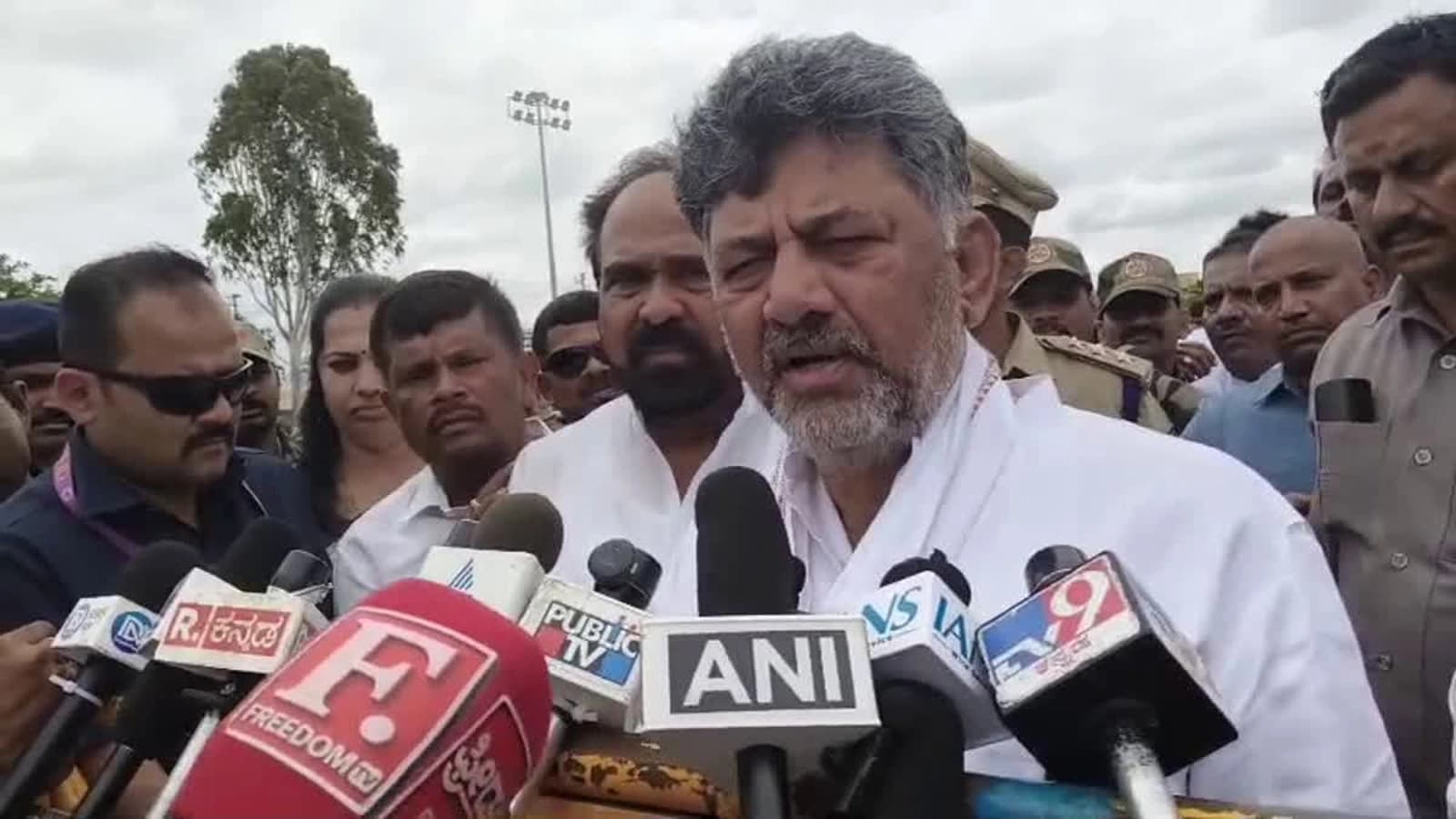
Karnataka Targets 1,000 Government Schools Under CSR Initiative
The Karnataka government has invited private schools and corporate organizations to partner with government schools to improve education quality and infrastructure in rural areas. Deputy Chief Minister D.K. Shivakumar announced the initiative on November 4, 2026, while launching the 'Namma Shaale Namma Javabdari' (Our School, Our Responsibility) programme in Bengaluru.
The government has set an initial target of connecting 1,000 government schools with private institutions over the next two to three years. It plans to eventually expand the initiative to 2,000 schools. The programme aims to reduce the gap between rural and urban education by bringing additional resources, teaching expertise and infrastructure to government-run schools.

Karnataka Signs MoUs Worth ₹206.10 Crore for 56 Government Schools
An important development under the initiative is the signing of 15 Memorandums of Understanding (MoUs) worth ₹206.10 crore for the development of 56 government schools during the November 4 event. Another 18 MoUs worth ₹85 crore had already been signed in 2026 to improve 33 schools. Additionally, 12 agreements worth ₹64 crore, covering 23 schools, were in the final stages of signing at the time of the announcement. These agreements indicate growing participation from private institutions and corporate organizations in the state's rural education development plans.
How Will Private Schools Support Government Schools?
Shivakumar has encouraged private school managements to contribute according to their financial capacity. He clarified that support does not necessarily have to involve large financial investments or the construction of new buildings. Private institutions can contribute through:
Teachers: Sending experienced subject teachers to government schools and paying their salaries.
Computer facilities: Providing computers and digital learning equipment.
Science laboratories: Supplying laboratory equipment and educational materials.
School transportation: Making buses available to government-school students.
Infrastructure: Supporting the construction, renovation and maintenance of school buildings.
The Deputy Chief Minister described the partnership as an opportunity for knowledge exchange between private and government schools. He also said private institutions could choose the government schools they wanted to support instead of being assigned schools by the government.
Karnataka's ₹8,800 Crore Annual CSR Fund
During the programme, Shivakumar said Karnataka has an annual Corporate Social Responsibility (CSR) fund of approximately ₹8,800 crore. He urged companies operating in the state to prioritize rural education while allocating their CSR contributions. He also raised concerns about companies conducting business in Karnataka but directing their CSR spending towards other states. Education is an eligible CSR activity under Schedule VII of the Companies Act, 2013. Companies can support activities such as promoting education, improving educational facilities and developing vocational skills, subject to applicable rules.
Can CSR Partnerships Improve Rural Education?
The government believes that improving educational facilities in villages could reduce the need for families to move to cities in search of better schooling. Parents often consider access to quality education when deciding where to live. By strengthening rural schools, Karnataka hopes to give children better educational opportunities closer to their homes. However, the initiative has also raised questions about the government's responsibility towards public education.
Before the launch, some private-school representatives expressed concerns about involving institutions that are already facing financial difficulties. They also questioned whether additional responsibilities could eventually put pressure on private-school finances and lead to higher student fees. The larger concern is whether government schools should depend on private contributions for essential facilities. While CSR partnerships can provide additional resources, the government will remain responsible for ensuring that public schools have adequate infrastructure, qualified teachers and consistent funding.
Karnataka's target of connecting 1,000 government schools with private institutions is an ambitious step towards improving rural education. The next challenge will be ensuring that announced investments translate into better classrooms, functioning laboratories, adequate teaching staff and improved learning outcomes. The programme's success will ultimately depend on transparent fund utilization, regular monitoring and long-term commitments from participating institutions.
Manipur Board Practical Exam 2027: Class 11, 12 Schedule Released; Exams to Begin in January

MIT researchers launch dashboard to track AI chatbot responses to US election questions
Bihar Bans Teachers from Making Reels in Government Schools Without Prior Permission

EU announces €24.75 million for academic mobility partnerships across Africa

Karnataka Targets 1,000 Government Schools Under CSR Initiative; Private Schools Asked to Join

Cabinet Approves ₹4,371 Crore VISTAR Scheme to Modernize India's Statistical System
AI tutor outperforms classroom learning in US university trial, OECD report finds

Why will students lose Google Search access if schools reject Google's AI tools? Company announces new rules

Australian experts back school digital detox as concerns grow over AI and screen use

Want to prepare for married life? Goa college introduces a certificate course on relationships

Manipur Board Practical Exam 2027: Class 11, 12 Schedule Released; Exams to Begin in January
MIT researchers launch dashboard to track AI chatbot responses to US election questions
Bihar Bans Teachers from Making Reels in Government Schools Without Prior Permission
EU announces €24.75 million for academic mobility partnerships across Africa
Karnataka Targets 1,000 Government Schools Under CSR Initiative; Private Schools Asked to Join
Cabinet Approves ₹4,371 Crore VISTAR Scheme to Modernize India's Statistical System
AI tutor outperforms classroom learning in US university trial, OECD report finds
Why will students lose Google Search access if schools reject Google's AI tools? Company announces new rules
Australian experts back school digital detox as concerns grow over AI and screen use
Want to prepare for married life? Goa college introduces a certificate course on relationships
Copyright© educationpost.in 2026 All Rights Reserved.