


The Education Department says unauthorized video recording can disrupt classroom teaching and violate students’ privacy. Teachers and school employees will need written approval before recording or uploading school-related content.
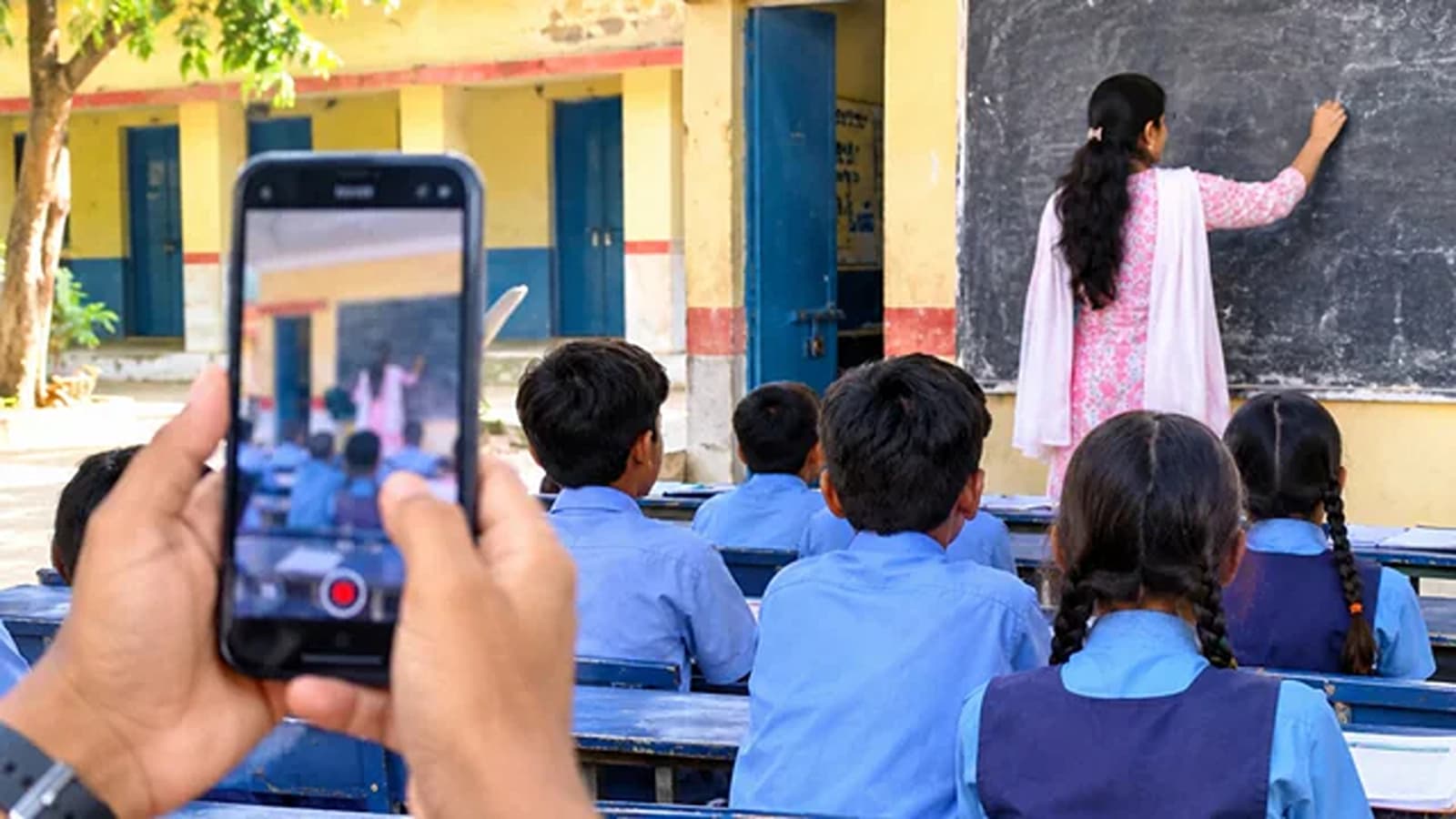
Representational Image
The Bihar Education Department has introduced new restrictions on social media activities in government schools, prohibiting teachers and other school employees from making reels or recording videos on school premises without prior written permission. The instructions, reportedly issued on November 4, 2026, by Education Department Director (Administration) Vijay Kumar Pandey, aim to protect students’ privacy and prevent disruptions to classroom activities. The department has directed district-level education officials to ensure that the rules are followed.
Why Has Bihar Restricted Reels in Government Schools?

According to reports, the department has raised concerns about teachers recording videos while teaching and sharing classroom activities on social media platforms. It has argued that recording students without appropriate safeguards could compromise their privacy and rights. The department has also expressed concern that some government employees are using school premises and working hours to create personal social media content.
The department considers such activities inappropriate because they can distract teachers from their responsibilities and interfere with the learning environment. The instructions refer to the Bihar Government Servants’ Conduct Rules, 1976, and the Bihar Government Servants’ Conduct (Amendment) Rules, 2026.
Teachers Need Written Permission to Record School Events
The restrictions do not mean that every school-related video is prohibited. Teachers and other employees may record certain official and social activities, but only after obtaining written approval from their competent controlling officers. These activities reportedly include:
Even for these occasions, teachers cannot independently record and upload videos without prior permission.
Political and Religious Campaigns Also Restricted
The department has reiterated restrictions on government employees using social media for political, religious, caste-based or sub-caste-based campaigns. It has also cautioned employees against posting obscene, defamatory, threatening or otherwise inappropriate content. Material that violates intellectual property rights or could affect national and internal security is also covered by the restrictions. The instructions further prohibit unauthorized outsiders from entering government school premises during teaching hours, aiming to prevent unnecessary interference with classroom activities.
Regional Deputy Directors of Education and District Education Officers have been assigned responsibility for implementing the instructions. Teachers and other school employees who violate the rules may face disciplinary action under applicable service regulations. However, reports have not established any specific automatic penalty, such as compulsory suspension or dismissal, for every violation.
A Question of Student Privacy and Teachers’ Social Media Rights
The department's concerns about children appearing in online videos raise an important issue. Students, particularly minors, should not have their classroom activities recorded and circulated online without appropriate safeguards and consent. At the same time, the restrictions need to be implemented clearly. Official school communication, educational content and documentation of public events should not be confused with personal promotional videos.
The effectiveness of the directive will depend on how consistently it is enforced and whether schools receive clear instructions about what can be recorded, who can grant permission and how student privacy will be protected. The key distinction is that Bihar has restricted unauthorized social media recording and uploading from government school premises. The reported instructions do not amount to a blanket ban on teachers using social media in their personal lives.
Manipur Board Practical Exam 2027: Class 11, 12 Schedule Released; Exams to Begin in January

MIT researchers launch dashboard to track AI chatbot responses to US election questions
Bihar Bans Teachers from Making Reels in Government Schools Without Prior Permission

EU announces €24.75 million for academic mobility partnerships across Africa

Karnataka Targets 1,000 Government Schools Under CSR Initiative; Private Schools Asked to Join

Cabinet Approves ₹4,371 Crore VISTAR Scheme to Modernize India's Statistical System
AI tutor outperforms classroom learning in US university trial, OECD report finds

Why will students lose Google Search access if schools reject Google's AI tools? Company announces new rules

Australian experts back school digital detox as concerns grow over AI and screen use

Want to prepare for married life? Goa college introduces a certificate course on relationships

Manipur Board Practical Exam 2027: Class 11, 12 Schedule Released; Exams to Begin in January
MIT researchers launch dashboard to track AI chatbot responses to US election questions
Bihar Bans Teachers from Making Reels in Government Schools Without Prior Permission
EU announces €24.75 million for academic mobility partnerships across Africa
Karnataka Targets 1,000 Government Schools Under CSR Initiative; Private Schools Asked to Join
Cabinet Approves ₹4,371 Crore VISTAR Scheme to Modernize India's Statistical System
AI tutor outperforms classroom learning in US university trial, OECD report finds
Why will students lose Google Search access if schools reject Google's AI tools? Company announces new rules
Australian experts back school digital detox as concerns grow over AI and screen use
Want to prepare for married life? Goa college introduces a certificate course on relationships
Copyright© educationpost.in 2026 All Rights Reserved.