


India and Japan Resolve Differences as Project Targets December 2027 Opening
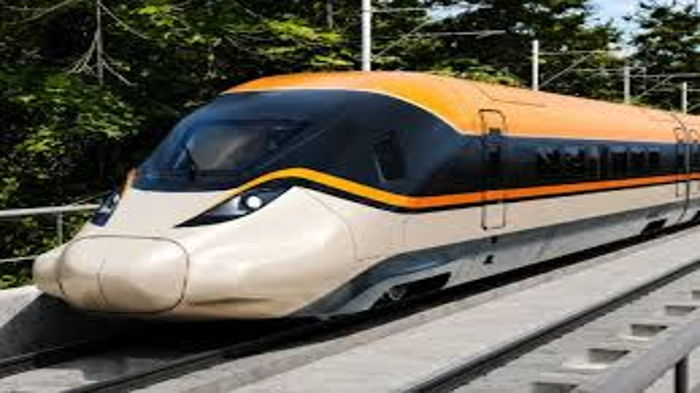
India’s ambitious Mumbai-Ahmedabad bullet train project, launched in September 2017, is now expected to open its first section by December 2027. The 508-km Mumbai-Ahmedabad High Speed Rail (MAHSR) corridor was initially scheduled for completion in 2022, with an estimated cost of ₹1.08 lakh crore. However, delays have pushed the projected expenditure to nearly ₹2 lakh crore.
The project has faced several challenges, including the COVID-19 pandemic, land acquisition difficulties in Maharashtra and differences between India and Japan over technology, costs and implementation. While Japan expected to supply an integrated Shinkansen system, India sought greater flexibility, cost-effectiveness and domestic manufacturing opportunities.

Following changes in governments in both countries and delays in securing land and statutory approvals, the original plan underwent significant revisions. Japan’s decision to phase out the E5 trainset originally intended for India further complicated the project.
The two countries have now reportedly reached a pragmatic understanding, allowing the project to move forward through a combination of Japanese infrastructure expertise, European signalling technology and Indian-built trains.
Under the revised plan, India is developing its own high-speed train, designated B28, through public-sector manufacturer BEML in Bengaluru. The train is designed to operate at a maximum speed of 250 kmph. Meanwhile, the signalling contract has been awarded to a consortium involving Dineshchandra R Agrawal Infracon, Siemens Ltd and Siemens Mobility GmbH.
The ₹4,100-crore signalling project includes the installation and long-term maintenance of European Train Control System Level 2-based technology. Japanese experts will continue to oversee important aspects of design approval, construction and quality control, while Japanese financing arrangements are expected to remain in place.
However, experts have raised concerns about operating different train models and signalling systems on the same corridor. They emphasise the importance of ensuring technical compatibility and maintaining safety standards.
The project highlights the need for detailed planning, timely approvals and effective coordination in large infrastructure ventures. It also offers lessons for future India-Japan collaborations, particularly on adapting technology to local requirements while maintaining mutual trust and accountability.

Birla Open Minds, Burlington English Join Hands to Introduce Digital English Learning for Grades 1–8
Yuva Sangam: UP Governor Highlights Cooking Skills, Maternal Health Awareness Among Students
Centre Amends Motor Vehicle Rules to Allow E100 Ethanol Fuel in Flex-Fuel Vehicles
West Bengal CM Suvendu Adhikari Announces School Syllabus Changes, Tablet-Based Learning Plan

Study in Malaysia for Indian Students 2026: Universities, Fees, Scholarships, Visa and Career Opportunities
Centre Amends Motor Vehicle Rules to Allow E100 Ethanol Fuel in Flex-Fuel Vehicles
Study in Malaysia for Indian Students 2026: Universities, Fees, Scholarships, Visa and Career Opportunities
Delhi BS6 Entry Ban From November 1 Could Affect Over 10 Lakh NCR Vehicles

Study in Indonesia for Indian Students 2026: Top Universities, Fees, Scholarships, Visa and Career Opportunities

Study in China 2027: Top Universities, Fees, Scholarships, Visas and Career Options for Indian Students

Birla Open Minds, Burlington English Join Hands to Introduce Digital English Learning for Grades 1–8
Yuva Sangam: UP Governor Highlights Cooking Skills, Maternal Health Awareness Among Students
Centre Amends Motor Vehicle Rules to Allow E100 Ethanol Fuel in Flex-Fuel Vehicles
West Bengal CM Suvendu Adhikari Announces School Syllabus Changes, Tablet-Based Learning Plan
Study in Malaysia for Indian Students 2026: Universities, Fees, Scholarships, Visa and Career Opportunities
Centre Amends Motor Vehicle Rules to Allow E100 Ethanol Fuel in Flex-Fuel Vehicles
Study in Malaysia for Indian Students 2026: Universities, Fees, Scholarships, Visa and Career Opportunities
Delhi BS6 Entry Ban From November 1 Could Affect Over 10 Lakh NCR Vehicles
Study in Indonesia for Indian Students 2026: Top Universities, Fees, Scholarships, Visa and Career Opportunities
Study in China 2027: Top Universities, Fees, Scholarships, Visas and Career Options for Indian Students
Copyright© educationpost.in 2026 All Rights Reserved.