


SC Extends Implementation Deadline by Eight Weeks, Applies Verdict to 2025 Civil Services Allocation
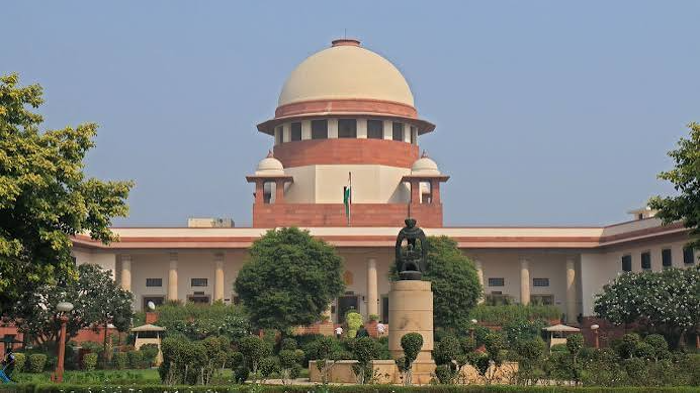
The Supreme Court on Friday reaffirmed its March 11, 2026, judgment holding that the creamy layer status of Other Backward Classes (OBCs) cannot be determined solely on the basis of parental income. The court rejected the Centre’s request for two years to implement the ruling and also refused to make its decision applicable only prospectively.
A bench of Justices P S Narasimha and R Mahadevan observed that there was no convincing or reasonable justification for delaying the implementation of the judgment. While the Centre had earlier been given six months to comply, the court extended the deadline by another eight weeks.

The bench also clarified that the ruling would apply to the allocation of services for candidates selected through the Civil Services Examination 2025, as the allocation process had not yet been finalised.
However, the court said the judgment would not affect the seniority of other candidates or reopen selections and appointments that had already been concluded before March 11, 2026. Pending claims by similarly placed individuals may be examined independently by the concerned courts and tribunals.
Supreme Court Clarifies Basis for Determining OBC Creamy Layer Status
The dispute arose from the September 8, 1993, Office Memorandum (OM) and a clarification issued by the government on October 14, 2004. The 1993 memorandum excluded salary and agricultural income from the income test, while the subsequent clarification included the salary income of employees working in public sector undertakings and private companies.
The Supreme Court had observed that this distinction resulted in discriminatory treatment between the children of government employees and those of private-sector and PSU employees.
In its March 11 ruling, the court held that parental salary alone cannot determine whether an OBC candidate belongs to the creamy or non-creamy layer. It emphasised that the status and category of posts held by parents must also be considered in accordance with the 1993 memorandum.
The court further clarified that the government remains free to formulate its own reservation and creamy layer policies, provided they comply with constitutional principles and the guidelines laid down in the judgment.

Anthropic’s Mythos AI Model: How Artificial Intelligence Is Transforming Cybersecurity

Democratic Control of Congress Raises Hopes of Iran Deal and Lower Crude Prices

Market Rally Follows Three Years of Weak Performance Amid Global Uncertainty and High Valuations
Supreme Court Reconsiders 2003 Two-Child Norm Ruling, Questions Its Relevance Amid Changing Demographics

SC Says Police Cannot Delay Constitutional Safeguards Through Searches and Questioning

Nepali students form Japan's second-largest international academic community: Foreign Minister

'Mogging' explained: How bodybuilding term became Collins Word of the Year 2026

‘It’s actually very cut-throat’: 13-year-old wins New Zealand spelling bee title

Schoolchildren join desperate effort to save stranded whales on New Zealand coast

New Zealand school hostel shut down after damning inspection raises concerns over student welfare

Anthropic’s Mythos AI Model: How Artificial Intelligence Is Transforming Cybersecurity
Democratic Control of Congress Raises Hopes of Iran Deal and Lower Crude Prices
Market Rally Follows Three Years of Weak Performance Amid Global Uncertainty and High Valuations
Supreme Court Reconsiders 2003 Two-Child Norm Ruling, Questions Its Relevance Amid Changing Demographics
SC Says Police Cannot Delay Constitutional Safeguards Through Searches and Questioning
Nepali students form Japan's second-largest international academic community: Foreign Minister
'Mogging' explained: How bodybuilding term became Collins Word of the Year 2026
‘It’s actually very cut-throat’: 13-year-old wins New Zealand spelling bee title
Schoolchildren join desperate effort to save stranded whales on New Zealand coast
New Zealand school hostel shut down after damning inspection raises concerns over student welfare
Copyright© educationpost.in 2026 All Rights Reserved.