


Ruling keeps existing mail-ballot procedures in place for November elections as lower courts’ blocks on Trump administration plan remain in effect.
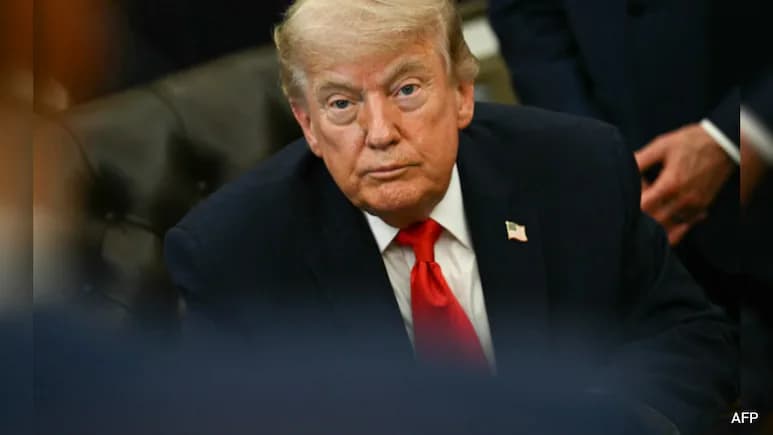
The US Supreme Court on Monday rejected, for now, the Trump administration’s bid to impose new restrictions on mail ballots ahead of the November midterm elections, leaving states free to continue using the voting procedures already in place.
The decision capped a burst of last-minute legal action over election rules, with voting preparations already underway in several states and nearly one-third of Americans expected to cast their ballots by mail.

Justices Samuel Alito and Clarence Thomas dissented from the court’s brief order. Justice Brett Kavanaugh agreed that the restrictions should not take effect for the midterms, but indicated he could ultimately side with the administration on the broader legal question.
The administration had asked the court to clear the way for its restrictions before voters head to the polls in the pivotal November contests that will determine control of Congress.
The plan would require states to adopt a uniform envelope format and submit lists of eligible mail voters through an online portal. Under the proposed system, the US Postal Service could refuse to deliver ballots from states that failed to comply.
But election officials have argued that implementing such a sweeping overhaul just weeks before the midterms would be impractical. Alabama, North Carolina and Wisconsin, for instance, had already begun sending mail ballots to voters while the proposed system was not yet operational.
A whistleblower report also raised concerns about the reliability of the new process, saying flaws in the portal and the possibility of a single barcode error could result in entire batches of ballots being discarded and potentially leave millions of ballots undelivered.
Democratic state officials and voting rights groups challenged the administration’s restrictions in court, arguing that the President lacks constitutional authority to impose sweeping new rules on election administration that could effectively cripple mail voting shortly before a major election.
Lower courts agreed and blocked the plan, including through a preliminary injunction issued by a judge appointed by Trump himself.
The administration then appealed to the Supreme Court, arguing that its authority over the Postal Service gives the federal government the power to establish rules governing the handling of mail ballots and that states had sufficient time to comply.
The Supreme Court had earlier handed the administration a procedural victory in the case but stopped short of ruling on whether the restrictions themselves were legally valid.
Monday’s order therefore leaves the existing mail-ballot system intact for the upcoming midterms, while the broader constitutional fight over the administration’s authority remains unresolved.
Trump has long criticised mail voting and has repeatedly, and falsely, blamed the practice for his defeat to Democrat Joe Biden in the 2020 presidential election. At the same time, Trump has himself used mail voting, including as recently as this year.

Delhi High Court Upholds Cash Assistance Policy for EWS Students’ School Uniforms
Tamil Nadu School Holiday Today: Classes Suspended in Several Districts, Chennai Schools to Remain Open

Delhi Government to Set Up Medical Rooms in 1,086 Schools With Menstrual Health Support

Australia’s international student decline hits vocational and English-language courses harder

Bihar Board Extends Class 9, 11 Registration Deadline for 2028 Exams to November 6

AI boom puts forward deployed engineers on track for ₹1 crore annual packages

Reed College’s concrete owl stolen, frozen and set on fire

Canada announces $813 million research boost to back 450-plus researchers
.webp&w=256&q=75)
Abu Dhabi aims to bring 2,000 Emirati teachers into private schools within five years
.jpg&w=256&q=75)
Australian schools record thousands of student sexual misconduct reports as child safety concerns grow

Delhi High Court Upholds Cash Assistance Policy for EWS Students’ School Uniforms
Tamil Nadu School Holiday Today: Classes Suspended in Several Districts, Chennai Schools to Remain Open
Delhi Government to Set Up Medical Rooms in 1,086 Schools With Menstrual Health Support
Australia’s international student decline hits vocational and English-language courses harder
Bihar Board Extends Class 9, 11 Registration Deadline for 2028 Exams to November 6
AI boom puts forward deployed engineers on track for ₹1 crore annual packages
Reed College’s concrete owl stolen, frozen and set on fire
Canada announces $813 million research boost to back 450-plus researchers
Abu Dhabi aims to bring 2,000 Emirati teachers into private schools within five years
Australian schools record thousands of student sexual misconduct reports as child safety concerns grow
Copyright© educationpost.in 2026 All Rights Reserved.