


US House clears sweeping Russia-Iran sanctions bill, opening the door to punitive tariffs on major buyers such as India and China.
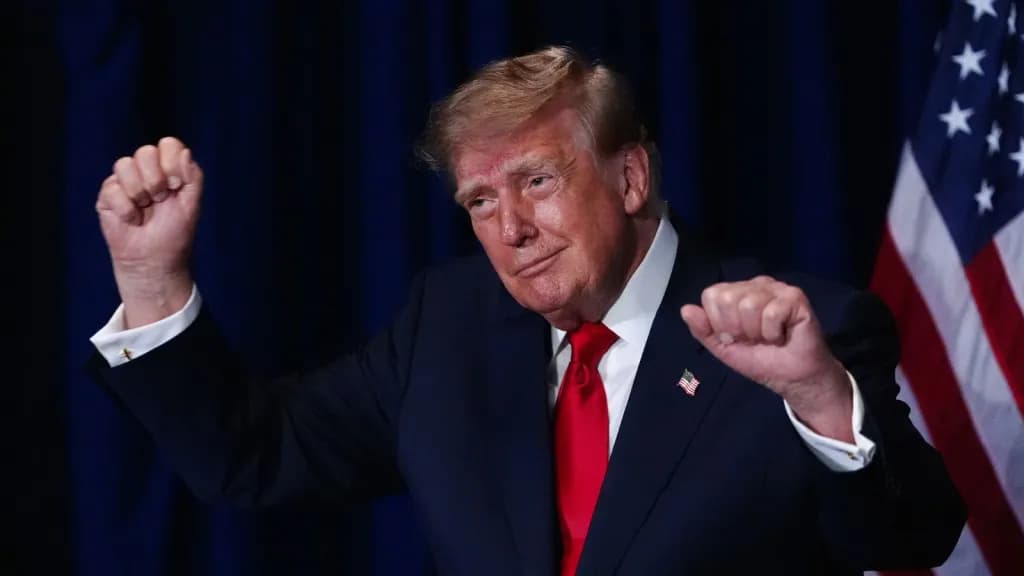
A new front has opened in the US pressure campaign against Russia, with President Donald Trump set to gain the authority to impose tariffs of up to 100 per cent on countries that continue to buy Russian oil and natural gas.
The US House of Representatives on Wednesday passed the bipartisan Lindsey O Graham Sanctioning Russia and Iran Act of 2026 by 262-159 votes, sending the legislation to Trump’s desk. The Senate had already approved the measure 86-11 last month. Trump is expected to sign it into law.

For India and China, two of the biggest buyers of Russian crude, the legislation could carry significant implications. However, the bill does not automatically impose a 100 per cent tariff on either country. Instead, it gives the President the authority to impose tariffs of up to 100 per cent on the five largest importers of Russian crude oil or natural gas, as well as major facilitators of sanctions evasion.
The measure marks a major expansion of Washington's economic pressure on Moscow, targeting the energy revenues that have helped sustain Russia's war effort in Ukraine.
The legislation comes at a sensitive time for countries such as India and China, which have significantly increased their purchases of discounted Russian crude since the Ukraine war disrupted Moscow's traditional energy markets.
China and India are currently among the largest buyers of Russian crude, according to the Centre for Research on Energy and Clean Air, making them potential targets under the new tariff mechanism.
The legislation also targets Russia's so-called "shadow fleet" — vessels and maritime networks accused of helping Moscow circumvent sanctions and continue exporting oil.
Beyond energy purchases, the bill provides for sanctions against senior Russian officials, oligarchs, banks, financial institutions and companies linked to Russia's energy sector.
The bill's passage was bipartisan, but the expanded tariff authority triggered sharp opposition from several senior Democrats.
House Democratic leaders argued that giving Trump broader powers to impose tariffs could increase costs for American consumers and leave the administration with excessive discretion over trade policy.
Representative Gregory Meeks criticised the tariff provisions, while House Minority Leader Hakeem Jeffries and other Democratic leaders objected to what they described as broad waivers and enforcement provisions that could allow the new powers to be used beyond their intended purpose.
Despite the objections, 58 Democrats joined Republicans in supporting the bill. Seven Republicans voted against it.
Republican lawmakers presented the measure as a way to squeeze the financial lifeline supporting Moscow's war effort.
House Speaker Mike Johnson said the legislation would increase pressure on Russia by targeting the energy revenues that help fund its military campaign. Other supporters argued that tariffs could make sanctions harder to evade and force greater economic costs on countries continuing to purchase Russian energy.
Senator Jeanne Shaheen, a Democratic supporter of the legislation, said the measure sends a message to Russia and countries helping it evade sanctions that there will be consequences.
The legislation goes beyond Russia. At Trump's request, the package also extends US sanctions targeting Iran's energy and weapons sectors, preserving restrictions that otherwise could have expired.
The bill therefore combines pressure on Russia's energy trade with broader restrictions on Iran, making it one of the most significant sanctions measures passed by Congress in recent years.
The legislation now awaits Trump's signature. Once enacted, the President will have a new tool to pressure major purchasers of Russian energy — potentially putting countries such as India and China at the centre of Washington's next sanctions battle with Moscow.
Supreme Court’s Rising Caseload: Why India Needs Stronger Filters for Appeals
vChina’s Grey-Zone Warfare Along the LAC: Challenges for India

Microsoft Offers Voluntary Exit Packages to Employees in India Amid AI-Led Restructuring
.jfif&w=256&q=75)
Revenue Surges as Computing Costs and Financial Commitments Rise
China’s Grey-Zone Warfare Along the LAC Poses Strategic Challenges for India
.avif&w=256&q=75)
South Africa study finds university mentors boost school pupils’ confidence
.webp&w=256&q=75)
The Most Persistent Weakness in India’s Engineering Education System Is the Gap Between Knowing and Doing

Study in Singapore 2027: Top Universities, Fees, Scholarships, Student Visa and Jobs for Indian Students

Study in Taiwan 2027: Top Universities, Fees, Scholarships, Student Visa and Jobs for Indian Students

Study in Hong Kong 2027: Top Universities, Fees, Scholarships, Visa and Career Opportunities for Indian Students

Supreme Court’s Rising Caseload: Why India Needs Stronger Filters for Appeals
vChina’s Grey-Zone Warfare Along the LAC: Challenges for India
Microsoft Offers Voluntary Exit Packages to Employees in India Amid AI-Led Restructuring
Revenue Surges as Computing Costs and Financial Commitments Rise
China’s Grey-Zone Warfare Along the LAC Poses Strategic Challenges for India
South Africa study finds university mentors boost school pupils’ confidence
The Most Persistent Weakness in India’s Engineering Education System Is the Gap Between Knowing and Doing
Study in Singapore 2027: Top Universities, Fees, Scholarships, Student Visa and Jobs for Indian Students
Study in Taiwan 2027: Top Universities, Fees, Scholarships, Student Visa and Jobs for Indian Students
Study in Hong Kong 2027: Top Universities, Fees, Scholarships, Visa and Career Opportunities for Indian Students
Copyright© educationpost.in 2026 All Rights Reserved.