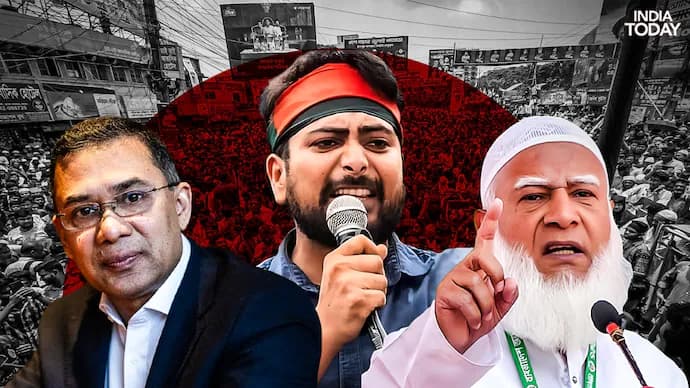
With Bangladesh’s February 12 general election looming, the National Citizen Party (NCP) — a fledgling student-led outfit backed by interim regime chief Muhammad Yunus — is unraveling amid fierce internal conflict and frantic alliance talks.
Once touted as a third political force poised to disrupt the traditional duopoly of the BNP and Jamaat-e-Islami, the NCP now finds itself fractured between factions courting these very rivals to secure electoral survival.

Formed from the anti-Sheikh Hasina protests of 2024, the NCP initially capitalized on Yunus’s patronage and its strong digital presence. But with the Sheikh Hasina-led Awami League sidelined, the party’s ground-level traction remains weak.
Reports reveal a bitter split: one faction pushing for seat-sharing with Jamaat-e-Islami, a party with Islamist roots and historic baggage; another exploring ties with the BNP after the return of its influential leader Tarique Rahman to Bangladesh.
Recent negotiations have reduced the NCP’s ambitions dramatically — from contesting a broad slate of parliamentary seats to reportedly settling for as few as 30 seats in alliance with Jamaat.
These talks have sparked accusations that Jamaat intends to pay the NCP hefty sums per seat, fueling criticism that the party’s youth-driven politics is being sold out. Prominent leaders within the NCP, including joint secretary Mir Arshadul Haque, have resigned amid the turmoil, underscoring the internal chaos.
The NCP’s close association with Yunus, who critics say has granted it privileged access to power and resources, has earned it the derisive nickname “King’s Party.” This perception, coupled with the party’s wavering alliances, has alienated former allies and fractured the Democratic Reform Alliance — a coalition originally pledged to remain independent of both BNP and Jamaat influences.
Meanwhile, Bangladesh’s fragile political atmosphere has been further destabilized by a surge in violent incidents since Yunus took office, including deadly mob attacks and targeted killings. With human rights organizations reporting over 180 deaths in recent unrest, the UN and interim government are struggling to maintain order ahead of the polls.
As the NCP’s internal rift deepens, Bangladesh’s election landscape grows increasingly volatile. The young party’s crisis is not just a political tussle — it signals a perilous erosion of youth-driven reformist hopes, shadowing the nation’s fragile democratic future with uncertainty and division.