


A new bill introduced in the US Congress aims to roll back strict rules imposed on the H-1B visa programme under the Trump administration, potentially providing relief to thousands of skilled foreign workers, including many Indian professionals.

A new legislative proposal in the United States could bring relief to thousands of skilled foreign professionals, including Indian workers, employed under the H-1B visa programme. The proposal, known as the Welcoming International Success Act (WISA), has been introduced in the US House of Representatives by Democratic lawmaker Bonnie Watson Coleman.
The bill seeks to reverse strict measures imposed on the H-1B visa programme by the administration of US President Donald Trump, which critics say made it significantly harder for companies to hire foreign professionals.

Under the changes introduced in 2025, employers sponsoring H-1B workers were required to pay a $100,000 fee per visa application, in addition to existing charges. The policy also prioritised higher-paid applicants and tightened wage requirements, making it difficult for entry-level professionals to qualify.
The proposed WISA legislation aims to roll back these restrictions and restore earlier rules governing the H-1B visa programme. Supporters of the bill argue that the existing policies have disrupted the US technology sector and limited the ability of companies to recruit global talent.
The H-1B visa programme allows US companies to hire foreign professionals in specialised fields such as information technology, engineering, healthcare and finance. Indian professionals form one of the largest groups of H-1B visa holders and play a major role in the US technology workforce.
However, the bill must pass both chambers of the US Congress before becoming law.
If approved, the measure could ease hiring restrictions for American companies and improve opportunities for highly skilled professionals from countries such as India seeking to work in the United States.
Rekha Sharma’s 40% Disability Certificate Disputed After Medical Board Reassessed It at 30%

Arctic Seals Face Rising Extinction Risk as Climate Change Accelerates Sea Ice Loss
India's Multi-Alignment Policy Faces Fresh Diplomatic Challenges

AI Model Can Identify Zero-Day Vulnerabilities in Critical Software
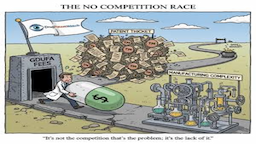
Patent Rejection Opens Possibilities for Generic Competition

Canada shifts focus to research talent as New Zealand targets growth in international education

Delhi to Attempt Artificial Rain Again as Pollution Chokes Capital; New Aircraft to Be Deployed

Want to speak Japanese with anime characters? Japan is developing an AI-powered language education app

Why are 3 in 4 Singapore parents turning to private tuition despite trust in schools?
Delhi-NCR schools go hybrid: Which classes are affected and what parents should know?

Rekha Sharma’s 40% Disability Certificate Disputed After Medical Board Reassessed It at 30%
Arctic Seals Face Rising Extinction Risk as Climate Change Accelerates Sea Ice Loss
India's Multi-Alignment Policy Faces Fresh Diplomatic Challenges
AI Model Can Identify Zero-Day Vulnerabilities in Critical Software
Patent Rejection Opens Possibilities for Generic Competition
Canada shifts focus to research talent as New Zealand targets growth in international education
Delhi to Attempt Artificial Rain Again as Pollution Chokes Capital; New Aircraft to Be Deployed
Want to speak Japanese with anime characters? Japan is developing an AI-powered language education app
Why are 3 in 4 Singapore parents turning to private tuition despite trust in schools?
Delhi-NCR schools go hybrid: Which classes are affected and what parents should know?
Copyright© educationpost.in 2026 All Rights Reserved.