


Through internships, live projects, and global immersion, experiential learning builds critical thinking, ethical judgement, and adaptability, enabling students to navigate ambiguity and become confident, industry-ready managers.
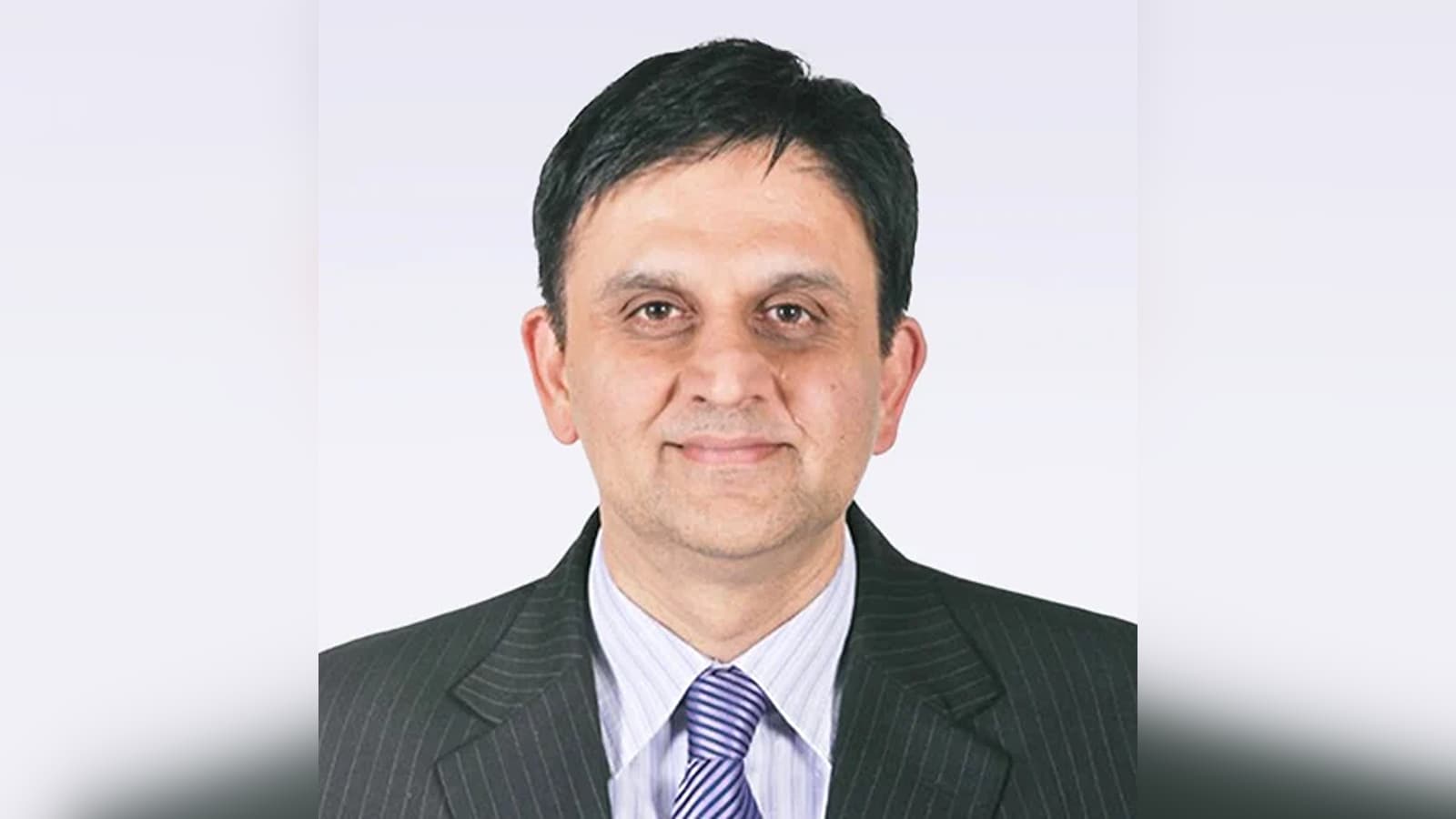
Umesh Kothari, Assistant Dean – PG Programs, SP Jain School of Global Management
In an era of volatility, technological disruption, and global interdependence, the definition of a job-ready manager has fundamentally changed. Employers expect graduates who can apply theory in ambiguous, fast-moving contexts, making experiential learning a strategic imperative. As an extension of classroom teaching, it bridges knowing and doing through live projects, simulations, internships, and global immersions. By confronting ambiguity, trade-offs, and stakeholder conflicts, students build critical thinking, collaboration, and ethical judgment, so they can apply frameworks judiciously and lead effectively in complex, real-world business environments with confidence and responsible decision making.
Beyond Conceptual Mastery

Traditional management programs teach analytical frameworks like financial modelling, market analysis, operations optimisation, data analytics, and strategic theory. However, industry readiness requires more than intellectual familiarity; it demands discernment in selecting the right tool, contextualising it within organisational realities, and defending its implications before decision-makers. Experiential learning immerses students in environments where data is incomplete, time is scarce, and stakeholders disagree. Live consulting engagements, corporate projects, startup incubators, simulations, and field immersions push learners from abstraction to action, cultivating practical judgement—the hallmark of effective managers.
Internships and capstone projects situate students inside organisational ecosystems, exposing them to leadership styles, culture, and execution challenges across diverse markets. These experiences sharpen functional expertise alongside communication, negotiation, and stakeholder management, while linking concepts such as supply chain optimisation or customer lifetime value to tangible outcomes. Institutions like SP Jain School of Global Management emphasise global immersion and cross-functional projects that integrate finance, marketing, operations, and technology. By breaking functional silos and encouraging systems thinking, experiential pedagogy equips graduates to recognise interdependencies, balance growth with governance, and resolve complex, interconnected business problems with confidence in dynamic, uncertain international contexts that demand swift, ethical and evidence-based decisions in practice today and tomorrow alike.
Internships and Industry Projects: Converting Learning into Impact
One of the most powerful forms of experiential learning is direct industry immersion. Projects that address real organisational challenges expose students to operational constraints, customer behaviour, and strategic dilemmas beyond case studies. Such engagements build judgement and accountability, as recommendations carry tangible consequences. Global exposure further deepens learning.
The future of work will be characterised by artificial intelligence integration, remote collaboration, and rapidly evolving business models. In such a landscape, static knowledge will quickly become obsolete. What will endure is the ability to learn, unlearn, and relearn continuously.
Experiential learning equips students with precisely this adaptive learning mindset. By repeatedly engaging in unfamiliar contexts, they become comfortable with ambiguity and develop confidence in navigating change. They graduate not as finished products but as evolving professionals ready to tackle emerging challenges.
The Role of Reflection and Mentorship
Experiential learning is most effective when paired with structured reflection and mentorship. Faculty mentors and industry practitioners play a crucial role in helping students interpret their experiences, extract lessons, and align them with career aspirations. Without reflection, experience risks becoming mere activity; with reflection, it becomes learning. Mentorship also ensures that experiential opportunities are not episodic but developmental. Students receive feedback on their decision-making styles, leadership presence, and ethical considerations, enabling them to evolve as thoughtful practitioners rather than transactional performers.
Industry readiness today extends beyond technical proficiency. Organisations increasingly value leaders who demonstrate integrity, social awareness, and sustainability thinking. Experiential learning provides fertile ground for cultivating such responsible leadership. When students engage with live social impact projects, sustainability initiatives, or cross-sector collaborations, they witness firsthand the broader consequences of business decisions. They learn that profitability and responsibility are not mutually exclusive but mutually reinforcing. Such insights foster leaders who are not only effective but also conscientious.
Conclusion
Experiential learning is no longer a pedagogical enhancement; it is the foundation for building industry-ready managers. Through real-world immersion, simulations, internships, and reflective mentorship, management education shifts from knowledge transmission to capability cultivation. Educators must design learning ecosystems that mirror business complexity while providing safe spaces for experimentation and growth. When students learn by doing, questioning, and reflecting, they develop judgment, agility, and ethical grounding. Such preparation enables graduates to translate insight into action and uncertainty into opportunity, equipping them to lead responsibly and perform effectively in dynamic organisational contexts today and navigate evolving global business challenges with confidence consistently.
(This article is written by Umesh Kothari, Assistant Dean – PG Programs, SP Jain School of Global Management. The views expressed are solely those of the authors and are personal in nature. This is an opinionated article, and Education Post does not endorse or take responsibility for the opinions expressed herein.)
.jfif&w=256&q=75)
AI Emerges as a Research Collaborator in Biology, Opening New Possibilities for Medical Science
Karnataka High Court Upholds SOP for Pregnancy Cases Involving Minor Sexual Assault Survivors
.png&w=256&q=75)
SC Bar Association Seeks CJI’s Intervention Over Detention of Lawyers During Protest
US Midterm Elections 2026: Indian-American Voters Could Influence Key Races
Nobel Prize in Economics 2026: Robert Hall and Michael Woodford Recognised for Research on Economic Policy

UNESCO flags India’s rural education gap: 59 girls for every 100 boys
Madurai Kamaraj University seeks grants for college struggling to pay salaries amid ₹2 crore annual deficit
IISc Study Challenges Chandrasekhar Limit, Finds White Dwarfs Could Grow Far Beyond Expected Mass

Surat medical college ragging case: Two senior doctors arrested after PG student’s death

IIIT Ranchi student death: NHRC to examine allegations of administrative negligence and delayed medical aid

AI Emerges as a Research Collaborator in Biology, Opening New Possibilities for Medical Science
Karnataka High Court Upholds SOP for Pregnancy Cases Involving Minor Sexual Assault Survivors
SC Bar Association Seeks CJI’s Intervention Over Detention of Lawyers During Protest
US Midterm Elections 2026: Indian-American Voters Could Influence Key Races
Nobel Prize in Economics 2026: Robert Hall and Michael Woodford Recognised for Research on Economic Policy
UNESCO flags India’s rural education gap: 59 girls for every 100 boys
Madurai Kamaraj University seeks grants for college struggling to pay salaries amid ₹2 crore annual deficit
IISc Study Challenges Chandrasekhar Limit, Finds White Dwarfs Could Grow Far Beyond Expected Mass
Surat medical college ragging case: Two senior doctors arrested after PG student’s death
IIIT Ranchi student death: NHRC to examine allegations of administrative negligence and delayed medical aid
Copyright© educationpost.in 2026 All Rights Reserved.