


A University of Warwick study has identified consumer expectations for blemish-free fruit and vegetables, limited access to independent advice and inadequate horticulture training as barriers to the adoption of integrated pest management across the UK fresh-produce industry.
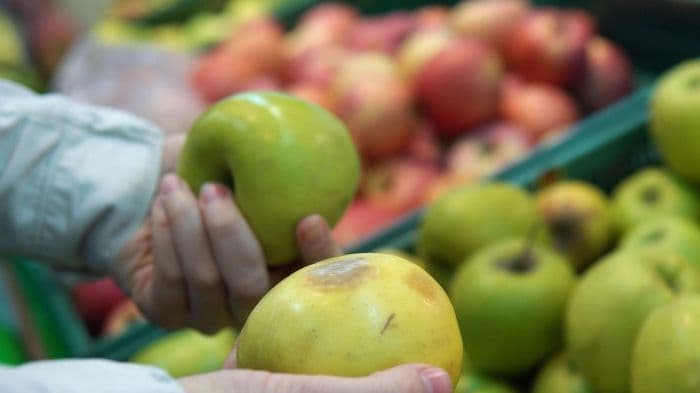
Expectations for spotless fruit and vegetables, limited access to specialist advice and gaps in horticulture training are making it harder for UK growers to adopt sustainable pest-control practices, according to a study by researchers at the University of Warwick.
The research examines barriers to the adoption of integrated pest management (IPM), an approach that combines different methods of controlling pests to reduce reliance on synthetic chemical pesticides. These methods include crop management, pest monitoring and biological controls, alongside the targeted use of pesticides when required.

Researchers conducted semi-structured interviews with 24 stakeholders from across the UK fresh-produce industry, including growers, agronomists, retailers, policymakers, researchers and crop-protection businesses. The findings identified 10 connected barriers to wider IPM adoption.
One of the key challenges is the pressure to meet strict quality standards for fresh produce. Retailers and consumers often expect fruit and vegetables to have an unblemished appearance, making growers cautious about changing pest-management practices if they believe doing so could affect the quality or consistency of their crops.
The study found that this perceived risk can encourage growers and agronomists to rely on routine pesticide applications rather than experiment with alternative approaches.
Horticulture training and research gaps add to challenges
The research also identified a shortage of specialist training and advice as an obstacle to the adoption of integrated pest management.
Interviewees said the increasing technical complexity of crop protection has not been matched by sufficient education and training opportunities. They pointed to a limited number of commercial horticulture courses at undergraduate level and a shortage of skilled advisers who can help growers put new methods into practice.
The researchers also highlighted gaps in knowledge about pest management across different crops. Biological alternatives, including biopesticides, require specific knowledge about their application, storage and effectiveness. Limited training and product support can make growers less confident about using them.
The closure of the Agriculture and Horticulture Development Board's horticulture division in April 2022 has further weakened the sector's capacity for independent research and knowledge exchange, according to the study. The board had previously played a role in bringing research findings and practical guidance to growers.
Researchers said stronger links between universities, researchers and agronomists, alongside more training opportunities and independent knowledge-sharing platforms, could help address these gaps.
Researchers call for crop-specific strategies
The study also points to uncertainty in government policy, limited financial incentives and the absence of an effective system to monitor the adoption of integrated pest management as barriers.
Researchers said a single policy approach may not work across the fresh-produce industry because pest-management requirements differ considerably between crops and production systems. They suggested developing crop-specific targets and policies, supported by better monitoring of progress.
The research also recommends reviewing funding for horticulture research, improving access to biological pest-control products and expanding opportunities for growers to exchange practical knowledge.
The findings underline that reducing pesticide use in food production will require more than encouraging farmers to change their practices. It will also depend on consumer expectations, access to reliable advice, specialist training and sustained investment in research.

Lyon survey finds 92% of humanities PhD graduates consider their work socially useful

Why the demand for flawless fruit and vegetables is complicating sustainable farming in the UK

French student protests resume as demands for better schools and more university places continue

Planning to study in the UK? You’ll need to show more money for your visa as living-cost rules rise

Loughborough University appoints Professor Nichola Callow as Pro Vice-Chancellor for education

From digital pets to AI robots: How Hong Kong schools are reshaping classroom learning

Why Are Nearly 2,000 MBBS Seats Still Vacant After NEET Counselling 2026?

King's College London, Cranfield University agree to merge in August 2027

Hong Kong plans weekly AI and coding lessons for children: Is India ready for the shift?

Who handles student discipline? Singapore schools look beyond teachers, lessons India can learn

Lyon survey finds 92% of humanities PhD graduates consider their work socially useful
Why the demand for flawless fruit and vegetables is complicating sustainable farming in the UK
French student protests resume as demands for better schools and more university places continue
Planning to study in the UK? You’ll need to show more money for your visa as living-cost rules rise
Loughborough University appoints Professor Nichola Callow as Pro Vice-Chancellor for education
From digital pets to AI robots: How Hong Kong schools are reshaping classroom learning
Why Are Nearly 2,000 MBBS Seats Still Vacant After NEET Counselling 2026?
King's College London, Cranfield University agree to merge in August 2027
Hong Kong plans weekly AI and coding lessons for children: Is India ready for the shift?
Who handles student discipline? Singapore schools look beyond teachers, lessons India can learn
Copyright© educationpost.in 2026 All Rights Reserved.