Hong Kong plans new technology subject for primary schools, AI lessons to begin at age seven
The six-year curriculum will include coding, robotics and generative AI, with 168 lessons planned across Primary One to Six and full implementation scheduled for 2030-31.
Written by: Pragya Kumari5 Min Read · Updated:
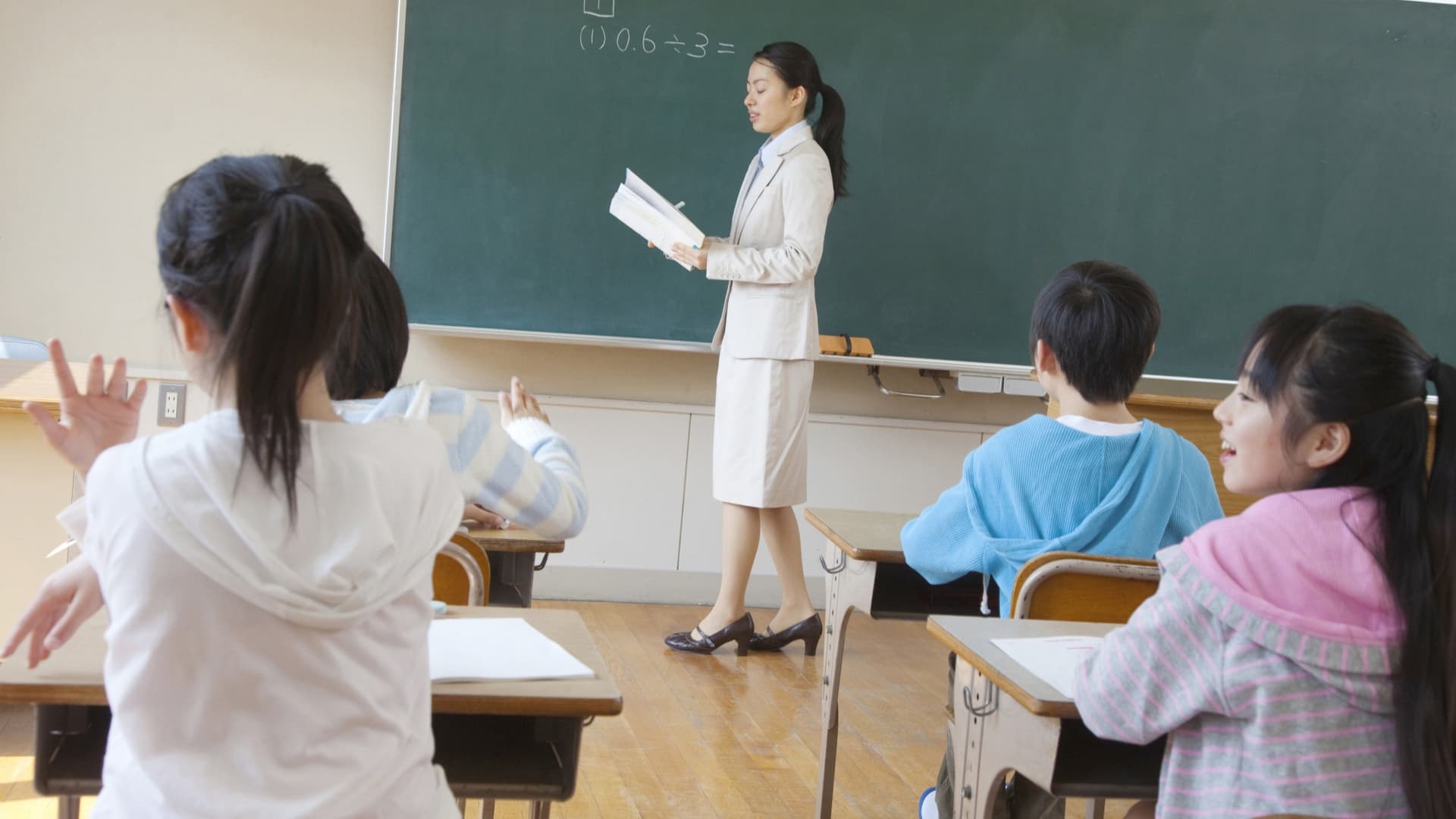
Hong Kong will introduce a new Information and Innovation Technology (IIT) subject in primary schools from September 2028, with artificial intelligence (AI), coding and digital literacy forming key parts of the curriculum.
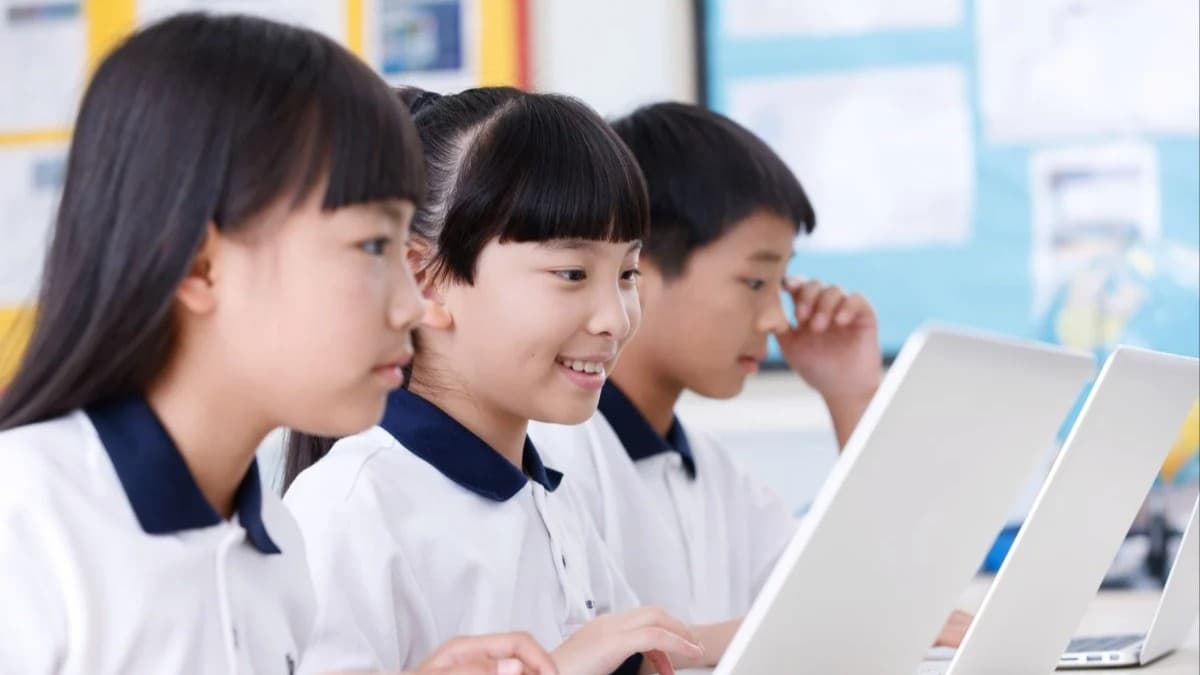
The subject will be introduced in phases, allowing students to learn about emerging technologies from an early age. Under the proposed framework, children as young as seven will be taught to interact with AI systems through simple conversations using basic prompts and commands.
According to the provisional draft of the Information and Innovation Technology Curriculum Framework for Primary Schools, announced by the Education Bureau, the initiative aims to develop students' interest in innovation and technology while strengthening their digital literacy and creativity.
The proposed curriculum will provide one 35-minute IIT lesson every week for students from Primary One to Primary Six. Each grade will have at least 28 lessons, equivalent to 16 hours of instruction annually.
Across the six years of primary education, students will receive a total of 168 IIT lessons.
The Education Bureau plans to begin implementation in the 2028-29 academic year, initially covering Primary One and Primary Four. The curriculum will be extended to all primary grades, with full implementation scheduled for the 2030-31 academic year.
However, schools that are sufficiently prepared will have the option of introducing the complete curriculum in the 2028-29 academic year. They can also begin pilot programs covering selected curriculum components in the next school year.
To support the transition, the bureau will provide schools and teachers with a series of assistance measures. These will include two briefing sessions on the proposed curriculum framework scheduled for next month.
William Lam Wai-lim, the bureau's principal education officer, said the curriculum had been developed with reference to science and technology education practices in different countries and regions, including mainland China.
In a post on the bureau's online blog, Insider's Perspectives, Lam highlighted the importance of preparing students for an increasingly technology-driven environment.
“In the age of AI, students not only need to master information technology knowledge and skills from a young age, but also need to cultivate digital literacy including media and information literacy and AI literacy, the abilities required for human-computer collaboration, and correct values and attitudes,” he wrote.
Hong Kong primary school IIT curriculum to cover five key areas
The proposed IIT subject will be organized around five major areas of learning. These include information technology concepts and applications, computational thinking and coding, AI, fundamental engineering and robotics technology, and technology and society.
AI and computational thinking and coding will receive particular attention, with 41 lessons allocated to each area out of the total 168 lessons.
The curriculum will introduce technology concepts gradually, beginning with basic digital skills and everyday applications before progressing to more advanced AI tools and their practical uses.
The draft also emphasizes the importance of responsible AI use. Schools will be expected to explain that artificial intelligence is an assisting tool rather than a replacement for independent thinking.
Teachers will be encouraged to ensure that students do not become overly dependent on AI or reach a point of “outsourcing their thinking” to technological systems.
Primary One students to learn basic information technology concepts
Students entering Primary One, some of whom are six years old, will begin with fundamental information technology concepts and their applications in everyday life.
They are expected to understand the basic process of “input-processing-output” through familiar examples, including using a juicer, toaster and rice cooker, as well as taking photographs.
The lessons will also introduce common internet applications, such as email services, search engines and streaming platforms. Students will learn to recognize these tools and understand their basic functions.
The curriculum suggests teaching young learners how to use search engines to locate specific information, helping them develop foundational online research skills.
AI education will begin in Primary Two, when students are expected to become familiar with the technology and its applications.
Children as young as seven will learn to identify examples of AI in everyday life and understand basic concepts related to intelligence. Under their teachers' guidance, they will also be introduced to simple interactions with AI systems through basic prompts or instructions.
Senior primary students to learn generative AI and prompt writing
As students progress to the upper primary grades, the curriculum will introduce more advanced AI concepts, including generative artificial intelligence and its applications.
In Primary Five, students will learn to construct complete prompts using a basic structure. They will also be encouraged to apply prompt frameworks to create different forms of content, including story illustrations, short descriptions, posters and other materials.
The lessons will introduce the relationship between computing power, chip technology and tokens. Students will also learn about the three fundamental elements of AI: data, algorithms and computing power.
By Primary Six, students will be expected to compose prompts independently to complete different tasks. They will learn to design and test prompts while comparing how different writing styles influence AI-generated results.
The curriculum also proposes teaching students how to adjust their prompts according to the requirements of specific tasks. This will help them understand how instructions can influence the content and quality of AI-generated outputs.
Alongside practical applications, the lessons will address the limitations and potential risks of artificial intelligence.
Primary Six students will learn that AI systems can generate inaccurate or biased information and judgments. They will also be introduced to the possible consequences of such errors, including AI hallucinations, in which systems produce information that appears convincing but is incorrect.
Hong Kong IIT subject excluded from Primary Five and Six placement assessments
The Education Bureau has clarified that the new IIT subject will not form part of the internal assessments conducted in Primary Five and Primary Six.
These assessments include examinations whose scores are used to determine students' secondary school placement rankings. The decision means that performance in the new subject will not contribute to these rankings.
Meanwhile, the bureau has invited teachers to provide feedback on the provisional curriculum framework through an online survey. Educators can submit their views and suggestions by December 2.
The proposed curriculum marks Hong Kong's effort to introduce structured technology education at the primary level, with a focus on digital skills, coding, engineering and responsible AI use.
By introducing these concepts progressively across six grades, the bureau aims to help students develop the knowledge and abilities needed to understand and engage with emerging technologies from an early age.
Also read