


MeitY's initiative combines secure computing infrastructure, data-use agreements and privacy safeguards to enable institutions, researchers and organizations to collaborate on AI development while retaining control over sensitive information.
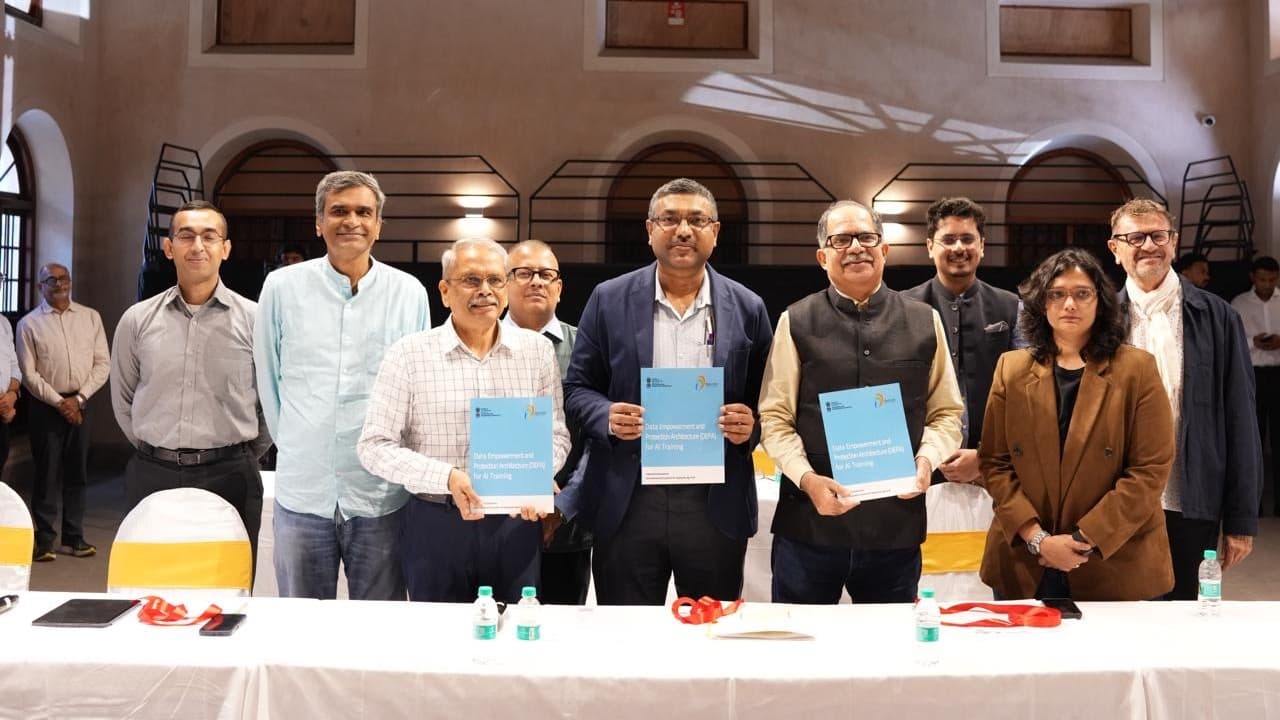
The Ministry of Electronics and Information Technology (MeitY) has launched a new framework to help organizations share data for artificial intelligence (AI) training without transferring their original datasets or giving up control over their information.
The Handbook on Data Empowerment and Protection Architecture (DEPA) for AI Training was launched by MeitY Secretary S Krishnan at a roundtable in Bengaluru on Oct 31. The initiative was developed with support from the iSPIRT Foundation.

The framework seeks to address some of the key concerns that prevent organizations from making their information available for AI development. These include data privacy, confidentiality, ownership and the risk of information being used beyond its intended purpose.
By establishing safeguards around data access and usage, DEPA aims to create an environment in which institutions can contribute to AI development without compromising the security or ownership of their information.
How will the DEPA framework work?
The DEPA framework establishes a structured approach through which institutions can make their datasets available for AI training while retaining authority over how the information is accessed and used.
It combines three key measures: agreements specifying the permitted use of data, secure computing infrastructure and privacy safeguards. Together, these measures are intended to ensure that information is accessed only for authorized purposes and is not used beyond the permissions granted by its owners.
The framework also introduces mechanisms to maintain records of data usage and permissions. These include tracking the origin of datasets, documenting the consent and permissions provided for their use, and monitoring how the information is accessed during AI training.
Such tracking mechanisms are expected to improve transparency and accountability throughout the data-sharing process. They would also help organizations understand where their information comes from, who is authorized to use it and whether it is being used within the agreed conditions.
AI models can access data without transferring it
A key feature of the DEPA framework is its approach to data access, which allows AI models to work with information without requiring institutions to transfer their original datasets to external systems.
Principal Scientific Adviser to the Government of India Ajay Kumar Sood explained the concept during the handbook's launch.
"Under DEPA, the model travels to the data, rather than the data travelling to the model," Sood said.
The approach reverses the conventional method of data sharing, in which organizations generally have to provide their datasets to the systems or institutions conducting AI training.
Under DEPA, the original information can remain within the secure computing environment controlled by the organization that owns it. Instead of moving the dataset to an AI model, the model accesses the information within that environment to perform the required operations.
This arrangement is intended to reduce the risks associated with transferring sensitive or confidential information between organizations. It could also make collaboration easier for researchers, academic institutions and other organizations working on AI development and scientific studies.
By allowing AI systems to access information without requiring the physical transfer of datasets, the framework seeks to address concerns over data exposure while expanding opportunities for collaborative research and innovation.
Framework aims to support responsible AI development
MeitY highlighted that access to large and diverse datasets is essential for developing and improving AI models. Training systems require substantial amounts of information to identify patterns, learn from different sources and improve their performance.
However, organizations often hesitate to share their datasets because of concerns about privacy, information security, confidentiality and ownership. These challenges can restrict access to valuable information and make collaboration between institutions more difficult.
The DEPA framework aims to address these barriers by providing a structured system for secure data sharing. It is also designed to safeguard commercially sensitive information and ensure that organizations retain control over how their datasets are accessed and used.
The initiative is expected to provide a common approach for institutions that want to contribute data to AI development while maintaining the necessary protections around their information.
The Bengaluru roundtable brought together representatives from government, industry, technology, academia and research organizations.
Participants discussed the role of secure data-sharing mechanisms in supporting AI development and the importance of building trust among institutions contributing information for AI training.
Through the DEPA framework, MeitY aims to encourage greater data collaboration while addressing concerns that could otherwise prevent organizations from participating in India's expanding AI ecosystem.

Narayana Business School recognised by Radio City among brands driving Gujarat’s growth

NTA empanels 5,000 experts in major overhaul after NEET-UG paper leak

Odisha Laptop Scheme 2026: Rs 30,000 Assistance for 15,000 Meritorious Class 12 Students

Delhi Schools Asked to Enforce SOP for Drug-Free Campuses, Set Up Anti-Tobacco Committees

Cyclone Murasu Makes Landfall in Andhra Pradesh: Why Did It Form, What Does Its Name Mean and Which States Are Affected?
NTA empanels 5,000 experts in major overhaul after NEET-UG paper leak
Cyclone Murasu Makes Landfall in Andhra Pradesh: Why Did It Form, What Does Its Name Mean and Which States Are Affected?

When students struggle, schools must act: Gujarat introduces new mental health rules

What if AI could learn from your data without taking it? India's new framework explains how

UAE schools to begin three week winter break on December 14

Narayana Business School recognised by Radio City among brands driving Gujarat’s growth
NTA empanels 5,000 experts in major overhaul after NEET-UG paper leak
Odisha Laptop Scheme 2026: Rs 30,000 Assistance for 15,000 Meritorious Class 12 Students
Delhi Schools Asked to Enforce SOP for Drug-Free Campuses, Set Up Anti-Tobacco Committees
Cyclone Murasu Makes Landfall in Andhra Pradesh: Why Did It Form, What Does Its Name Mean and Which States Are Affected?
NTA empanels 5,000 experts in major overhaul after NEET-UG paper leak
Cyclone Murasu Makes Landfall in Andhra Pradesh: Why Did It Form, What Does Its Name Mean and Which States Are Affected?
When students struggle, schools must act: Gujarat introduces new mental health rules
What if AI could learn from your data without taking it? India's new framework explains how
UAE schools to begin three week winter break on December 14
Copyright© educationpost.in 2026 All Rights Reserved.