


The Delhi government has directed schools to strengthen preventive measures against substance abuse, establish anti-tobacco committees and provide counselling support to students.
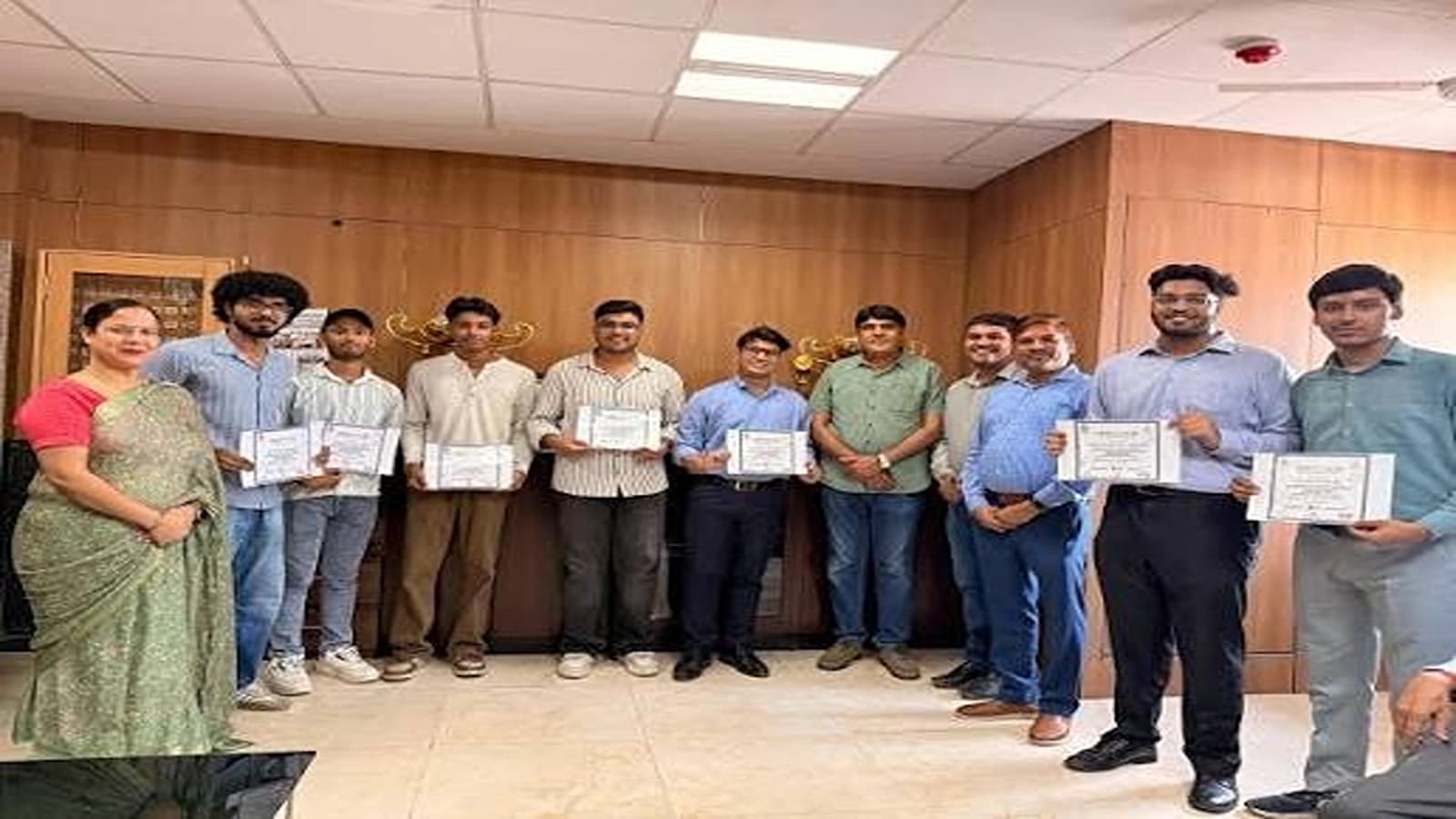
The Directorate of Education, Delhi, has instructed government, government-aided and recognised private unaided schools to follow a Standard Operating Procedure (SOP) aimed at preventing drug and tobacco use on school premises.
The directions have been issued under the Nasha Mukt Bharat Abhiyaan and the Nasha Mukt Delhi Campaign. The initiative focuses on educating students about substance abuse, identifying potential cases at an early stage and ensuring access to counselling and professional support.

Under the new directions, every school must establish or strengthen an Institution Level Task Force (ITF) or Anti-Tobacco Committee. The principal or head of the school will lead the committee.
Its proposed members will include:
A nodal teacher or Prahari Club in-charge.
A Health and Wellness Ambassador.
A representative of the School Management Committee.
A student representative.
A representative from the local police.
The committee will be responsible for planning, implementing and monitoring initiatives to prevent tobacco consumption and substance abuse among students.
The Directorate has also asked schools to strengthen their existing Prahari Clubs. These clubs will operate as school-level Nasha Mukt Delhi Clubs and organise awareness and prevention activities throughout the academic year.
The objective is to encourage student participation in creating a safe, substance-free educational environment.
Schools will conduct life skills education and awareness sessions for students from Classes 6 to 12 under the NAVCHETNA Life Skills Module.
According to the reported directions, these sessions will take place between the 15th and 17th of every month. Teachers trained during the 2025-26 academic session will conduct the programmes.
Schools must also organise awareness and sensitisation sessions for teachers and parents at least twice during each academic session. August and January have been suggested as preferred months.
The SOP places emphasis on identifying students who may be using drugs or other harmful substances and connecting them with appropriate support services.
Schools will need to establish referral mechanisms to ensure that affected students can access healthcare professionals, mental health experts and de-addiction services.
The guidelines also stress maintaining students' confidentiality and ensuring that they are not subjected to discrimination or stigma.
Schools will have to maintain records of committee meetings, Prahari Club activities, awareness programmes, life skills sessions, student participation and referrals.
An implementation checklist must be submitted to the respective district authorities every month.
At the district level, monitoring committees headed by the Deputy Director of Education will review compliance reports, conduct random inspections and monitor the implementation of school-level activities. They will also oversee the timely updating of information on the Nasha Mukt Vidyalaya portal.
The Directorate has called for compliance with the Narcotic Drugs and Psychotropic Substances (NDPS) Act, 1985, and the Cigarettes and Other Tobacco Products Act (COTPA), 2003, along with other applicable government guidelines.
The broader objective is to make schools safer for children through preventive education, institutional monitoring, early intervention and access to counselling.

Narayana Business School recognised by Radio City among brands driving Gujarat’s growth

NTA empanels 5,000 experts in major overhaul after NEET-UG paper leak

Odisha Laptop Scheme 2026: Rs 30,000 Assistance for 15,000 Meritorious Class 12 Students

Delhi Schools Asked to Enforce SOP for Drug-Free Campuses, Set Up Anti-Tobacco Committees
Cyclone Murasu Makes Landfall in Andhra Pradesh: Why Did It Form, What Does Its Name Mean and Which States Are Affected?
NTA empanels 5,000 experts in major overhaul after NEET-UG paper leak
Cyclone Murasu Makes Landfall in Andhra Pradesh: Why Did It Form, What Does Its Name Mean and Which States Are Affected?

When students struggle, schools must act: Gujarat introduces new mental health rules

What if AI could learn from your data without taking it? India's new framework explains how

UAE schools to begin three week winter break on December 14

Narayana Business School recognised by Radio City among brands driving Gujarat’s growth
NTA empanels 5,000 experts in major overhaul after NEET-UG paper leak
Odisha Laptop Scheme 2026: Rs 30,000 Assistance for 15,000 Meritorious Class 12 Students
Delhi Schools Asked to Enforce SOP for Drug-Free Campuses, Set Up Anti-Tobacco Committees
Cyclone Murasu Makes Landfall in Andhra Pradesh: Why Did It Form, What Does Its Name Mean and Which States Are Affected?
NTA empanels 5,000 experts in major overhaul after NEET-UG paper leak
Cyclone Murasu Makes Landfall in Andhra Pradesh: Why Did It Form, What Does Its Name Mean and Which States Are Affected?
When students struggle, schools must act: Gujarat introduces new mental health rules
What if AI could learn from your data without taking it? India's new framework explains how
UAE schools to begin three week winter break on December 14
Copyright© educationpost.in 2026 All Rights Reserved.