Delhi Schools Face Year of Disruptions: Air Pollution, Bomb Threats, Teacher Shortages Hit Classroom Learning
Repeated school closures, election duties, protests, delayed textbooks and overcrowded classrooms have disrupted teaching schedules in Delhi, raising concerns over students' learning outcomes.
By Priyanka Pathak · Updated
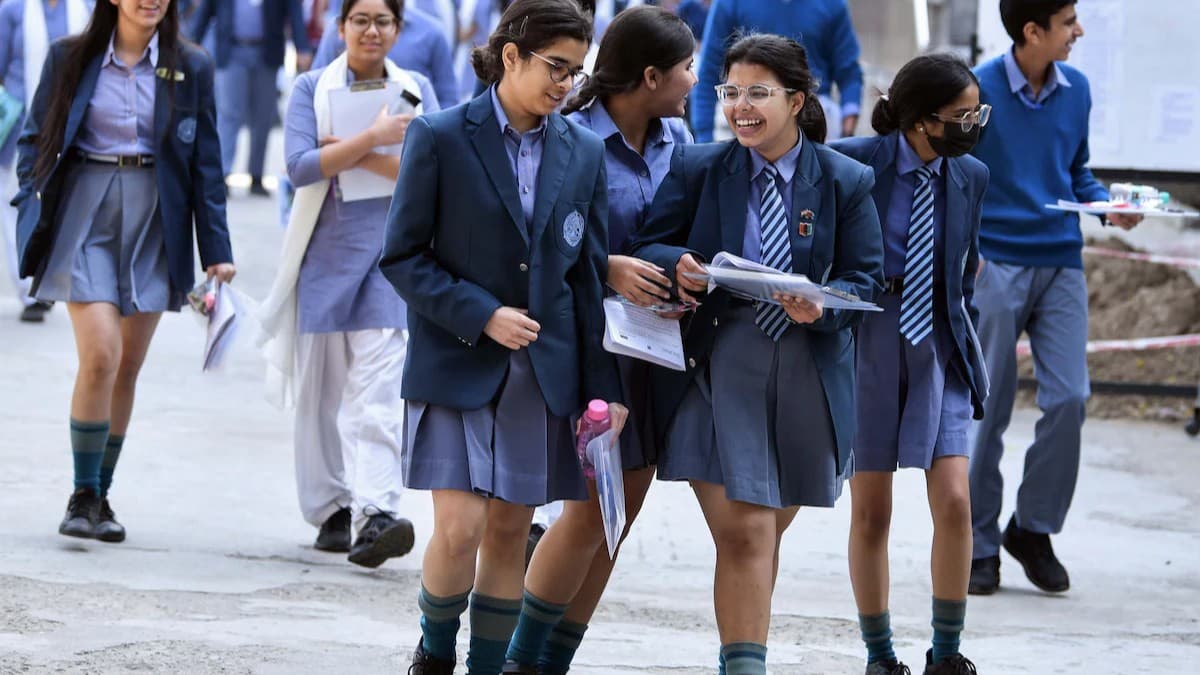
Schools across Delhi have experienced repeated interruptions during the academic year, affecting classroom teaching, syllabus completion and students' learning opportunities. Air pollution, bomb threat emails, public protests, election-related assignments and administrative challenges have collectively reduced regular instructional time in several schools.
A report by The Times of India highlights how these recurring disruptions have affected students and teachers, particularly in government schools. Although schools have adopted alternative arrangements to continue academic activities, educators have expressed concerns about the cumulative impact on classroom learning.
Air pollution forces schools to shift to online classes
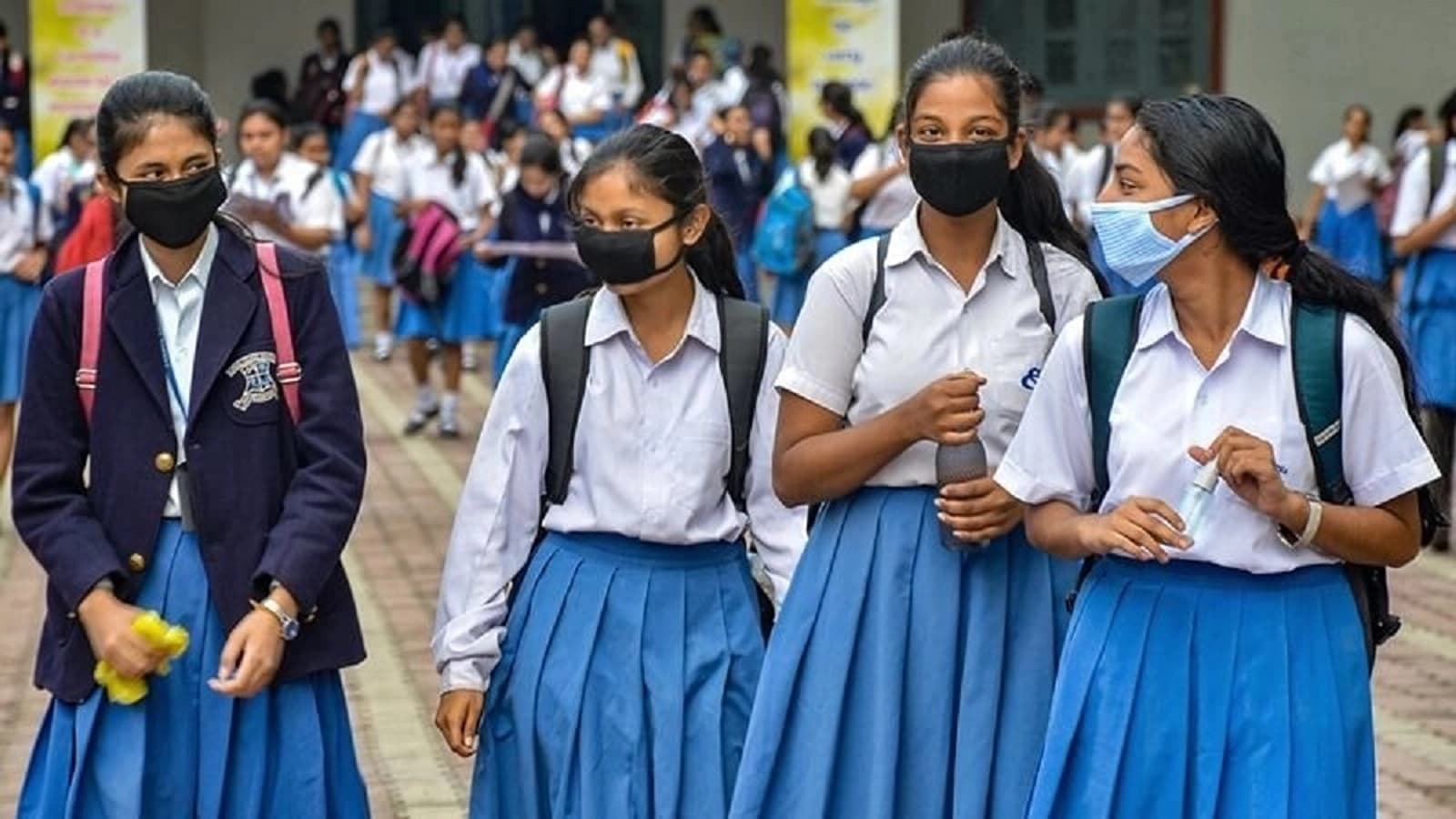
Severe air pollution has emerged as one of the major challenges for Delhi's school education system. On November 6, 2026, the Directorate of Education directed schools to conduct hybrid classes up to Class 5 following the invocation of Stage III under the Graded Response Action Plan (GRAP).A similar situation occurred during the previous winter when worsening air quality forced schools to shift younger students to hybrid and online learning.
In December 2025, students from Nursery to Class 5 attended online classes, while Classes 6 to 9 and Class 11 followed hybrid arrangements. Classes 10 and 12 continued with physical classroom teaching.These changes also raised concerns about students' access to digital devices, internet connectivity and the effectiveness of online education, particularly for younger children.
Election duties take teachers away from classrooms
The deployment of government school teachers for election-related responsibilities has added to the academic challenges.Thousands of teachers were assigned duties as Booth Level Officers (BLOs) and supervisors for the Special Intensive Revision (SIR) of electoral rolls. These assignments reportedly continued beyond regular school hours, with some schools facing significant staff shortages.
School authorities and teachers raised concerns about disrupted timetables, incomplete syllabuses, delayed assessments and reduced classroom teaching hours.
On July 23, the Chief Electoral Officer of Delhi directed officials to avoid deploying teachers for election-related work during regular teaching hours. A half-day duty arrangement introduced on September 15 was subsequently extended until November 25, 2026.
Census responsibilities add to teachers' workload
Teachers have also been assigned additional responsibilities connected with Census 2027 preparations.Training programmes, surveys and enumeration-related work have increased administrative responsibilities, particularly for teachers working in NDMC and Delhi Cantonment areas.
Some teachers have reported extended working hours and weekend assignments. These additional responsibilities have further complicated the planning of regular classes, examinations and remedial teaching.
Bomb threats and protests disrupt school schedules
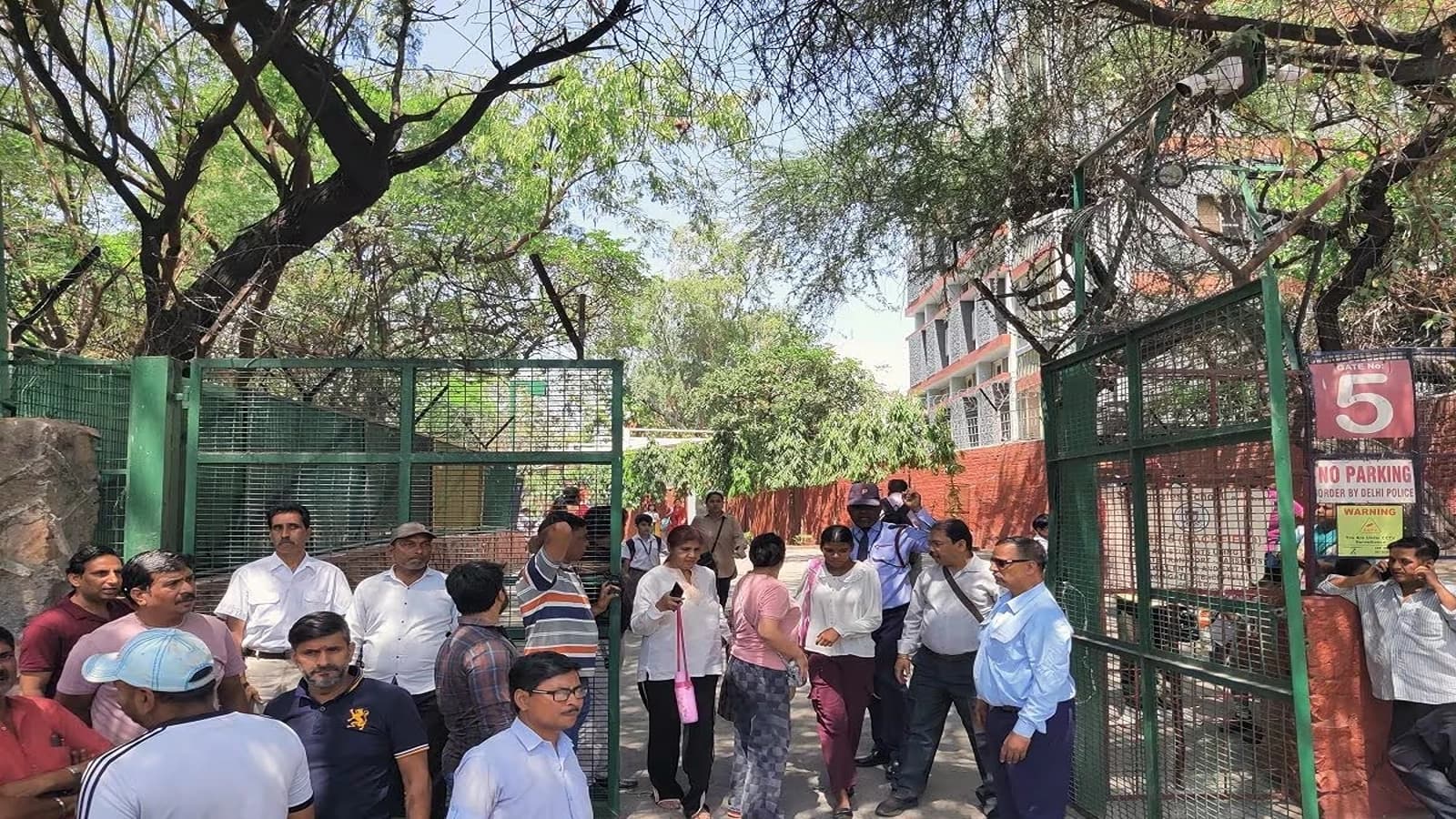
Repeated bomb threat emails targeting educational institutions have triggered evacuations and security checks at several Delhi schools.Such incidents have interrupted classroom activities and created uncertainty among students, parents and school administrations.
The Directorate of Education introduced a safety protocol in May 2025, requiring schools to prepare evacuation plans, conduct safety audits and organise mock drills to strengthen emergency preparedness.
Public protests have also affected school operations. On July 24, demonstrations linked to the NEET-UG paper leak led to traffic restrictions and Metro-related disruptions in central Delhi. Some schools shifted to online or hybrid classes and changed school bus routes.Another proposed protest on October 10 prompted some schools to suspend physical classes temporarily. Enrichment activities, sports practice and parent-teacher meetings were also affected.
Delayed NCERT textbooks affect classroom teaching
The shortage and delayed distribution of revised NCERT textbooks have created additional difficulties for government school students.Although the academic session began in April, several schools reportedly faced delays in receiving textbooks for different subjects and classes.
Teachers in affected schools relied on digital PDFs, photocopies and worksheets to continue lessons. The phased revision of NCERT textbooks also made it difficult for schools to depend on older editions available from previous academic batches.
On November 9, the Delhi Bureau of Text Books instructed school heads to procure second-term Mathematics and Social Science textbooks for Classes 7 and 8 in English, Hindi and Urdu using VKS funds or reimbursement arrangements.
CBSE on-screen evaluation raises teachers' concerns
The introduction of on-screen marking for CBSE Class 12 answer sheets in 2026 also attracted complaints from some teachers in Delhi.According to the Times of India report, educators reported issues such as unclear scanned answer sheets, technical glitches and repeated checking during the evaluation process.
After the results were announced on May 13, some students reportedly raised concerns about missing or unmarked answers and scanned sheets that appeared to belong to other candidates.A Delhi government school teachers' association also referred to alleged evaluation-related problems while questioning notices issued over a reported decline in Class 12 results.
Teacher shortages and overcrowded classrooms add to challenges
Staff shortages have further affected the quality of education in some government schools.
Students at one government school reportedly said that their Class 12 commerce section had been without a regular commerce teacher for nearly two years. At another school, students in Classes 11 and 12 said they had not received regular chemistry teaching for almost three academic years.
The shortage of senior administrative staff is another concern. In August 2026, the Directorate of Education listed 124 principal posts and 704 vice-principal posts for direct recruitment.
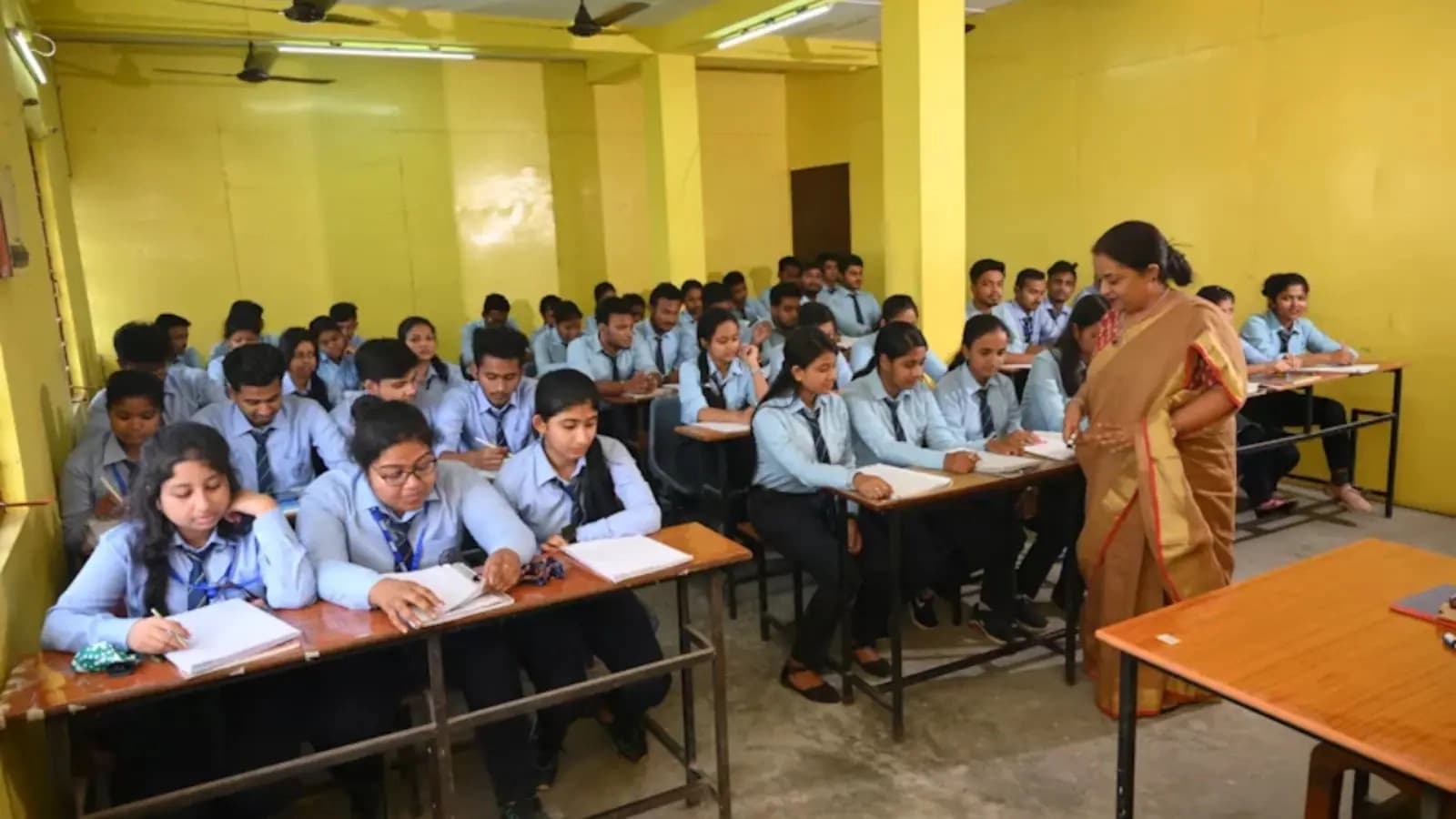
Overcrowded classrooms have also reduced opportunities for individual attention. A representation submitted to Delhi's Education Secretary in September 2026 highlighted that some senior secondary sections had 70 to 80 students, with enrolment approaching 90 in certain schools in northeast Delhi.
Students also reported inadequate seating arrangements and difficulties attending regular classes because of limited classroom space.
Concerns over learning outcomes in Delhi schools
The combination of environmental, administrative, infrastructure and staffing challenges has raised questions about the continuity of education in Delhi.While the disruptions have not affected every school equally, repeated interruptions have reduced opportunities for regular classroom interaction, timely syllabus completion and individual academic support.
The situation highlights the need for better coordination between education authorities and other government departments to ensure that administrative responsibilities, emergency measures and infrastructure-related issues do not repeatedly interfere with students' education.
Also read