Why Corporal Punishment Continues in Indian Schools Despite Legal Ban
Despite strict legal provisions against physical and mental abuse, traditional disciplinary practices, inadequate teacher training and weak enforcement continue to threaten students' safety and dignity.
By Priyanka Pathak · Updated
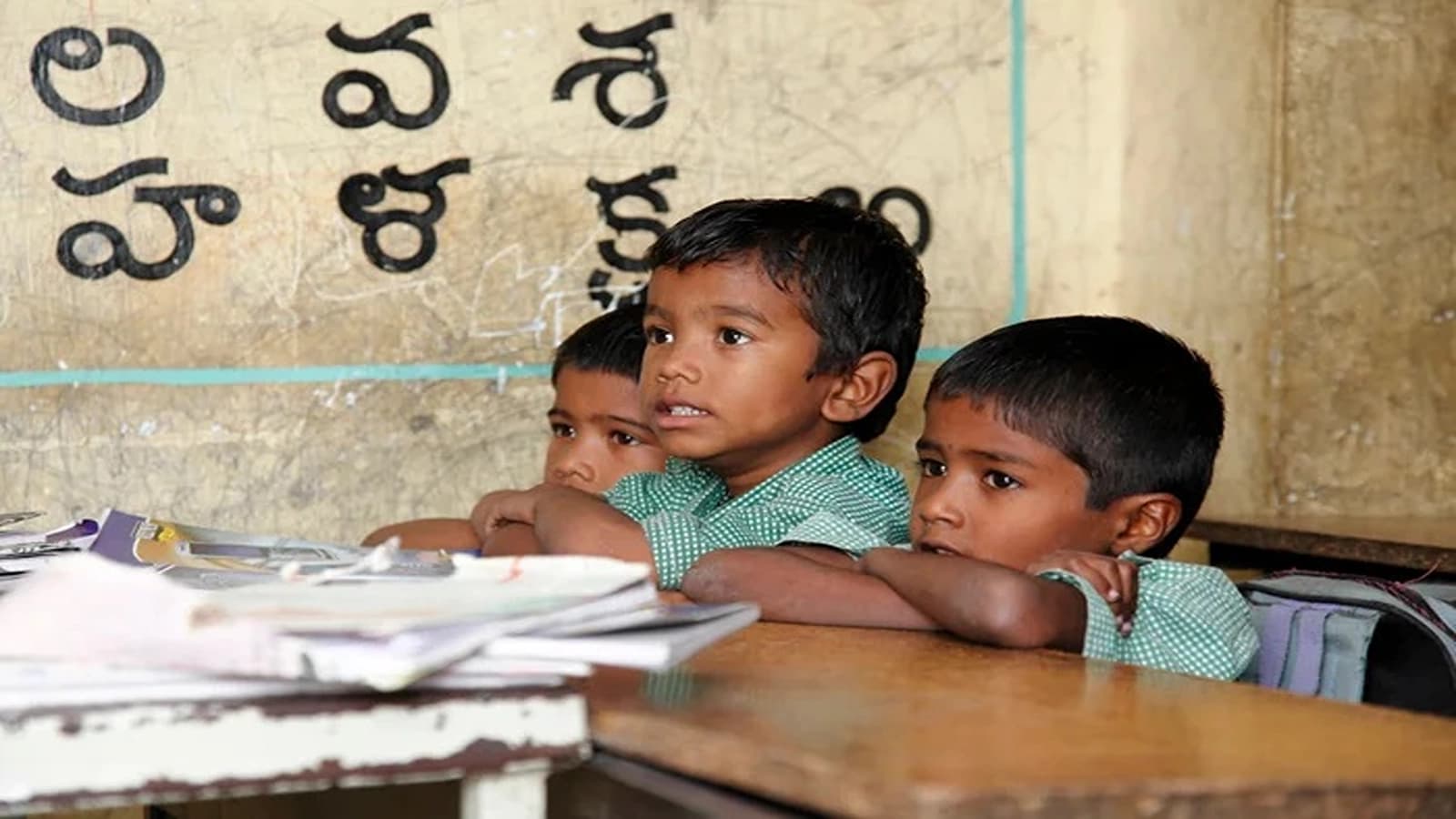
Corporal punishment remains a serious concern in India's education system, even though the law prohibits teachers from physically punishing or mentally harassing students. Slapping, hitting with sticks, making children stand for hours and humiliating them in front of classmates continue to be reported in schools.
The persistence of these practices highlights a significant gap between child protection laws and their implementation inside classrooms.The Right of Children to Free and Compulsory Education (RTE) Act, 2009, explicitly prohibits physical punishment and mental harassment of children under Section 17. However, the existence of a legal prohibition has not been sufficient to eliminate the practice.
What does Indian law say about corporal punishment?
Section 17(1) of the RTE Act prohibits physical punishment and mental harassment of children. Section 17(2) provides for disciplinary action against anyone who violates this provision, in accordance with the applicable service rules.
The Juvenile Justice (Care and Protection of Children) Act, 2015, also provides protection against cruelty to children. Section 75 deals with punishment for assaulting, abandoning, abusing or neglecting a child in a manner likely to cause unnecessary mental or physical suffering.
The Ministry of Education has also issued guidelines to help schools establish a safe, fear-free learning environment and ensure zero tolerance towards child abuse and bullying.These provisions make it clear that physical violence cannot be justified as a method of maintaining classroom discipline.
Why does corporal punishment continue in classrooms?
Several social, institutional and educational factors contribute to the continued use of corporal punishment.
1. Traditional beliefs about discipline
In many families and communities, physical punishment is still considered an acceptable way to correct children's behaviour. Some teachers carry the same belief into classrooms and view strict physical discipline as necessary to maintain order.This mindset makes it difficult to replace punishment-based practices with positive methods of classroom management.
2. Lack of proper teacher training
One of the major reasons behind corporal punishment is inadequate training in classroom management and child psychology.Teachers may find it difficult to handle students who are inattentive, academically weak, disruptive or struggling with behavioural challenges. Without appropriate training, some resort to shouting, humiliation or physical punishment.
A 2015 research study published in The Clearing House: A Journal of Educational Strategies, Issues and Ideas found that some secondary school teachers in India considered corporal punishment an effective way to control indiscipline. The researchers highlighted the need for teacher awareness, counselling and better classroom management skills.
DOI
3. Weak implementation of existing laws
Although the RTE Act prohibits corporal punishment, implementation remains a challenge.The Ministry of Education acknowledged in a parliamentary response that responsibility for most schools rests with state governments and that the Centre does not maintain centralised data on corporal punishment complaints across all schools.
The government has issued guidelines and provided mechanisms for grievance redressal, but effective monitoring and timely action at the school level remain essential.
4. Social and economic inequalities
Children from economically disadvantaged communities may face a greater risk of physical punishment and humiliation.A research report titled Choking Childhood: School Corporal Punishment – Everyday Violence Faced by Disadvantaged Children in India, published by Agrasar, examined the experiences of children in low-income communities in Gurugram.
The study found that physical punishment and verbal harassment were widespread among the children surveyed. It also highlighted how parental acceptance of physical discipline can reinforce the practice.The findings underline the importance of addressing social attitudes alongside legal enforcement.
5. Discrimination and humiliation in classrooms
Corporal punishment is not always limited to physical violence. Children may also face insulting remarks, discriminatory treatment, public humiliation and harassment based on their social or economic background.
Caste, religion, gender and other forms of social discrimination can make vulnerable students particularly susceptible to mistreatment.Such experiences can damage children's confidence, emotional well-being and sense of belonging in educational institutions.
6. Lack of effective complaint mechanisms
Many children hesitate to report punishment because they fear further harassment, embarrassment or retaliation.In some cases, parents may also avoid raising complaints because of social pressure or concerns about their child's education.
Schools therefore need confidential and accessible complaint mechanisms. Students should be able to report incidents without fear, while school authorities must investigate complaints fairly and take appropriate action.
What are the effects of corporal punishment on students?
Physical punishment can have consequences beyond immediate pain or injury. It can affect a child's emotional development, academic performance and relationship with teachers.
Some of the potential consequences include:
- Fear and anxiety about attending school.
- Reduced self-confidence and self-esteem.
- Difficulty concentrating on studies.
- Aggressive behaviour and emotional distress.
- Loss of trust in teachers and educational institutions.
- Increased chances of absenteeism and dropping out.
The World Health Organization has also identified corporal punishment as a risk to children's physical and mental health.
How can schools eliminate corporal punishment?
Experts and child rights advocates have consistently emphasised the need to replace punishment-based discipline with positive and child-friendly teaching practices.
Schools can take several steps to address the problem:
1. Teacher sensitisation: Regular training should help teachers understand child psychology, classroom management and non-violent disciplinary methods.
2. Effective monitoring: School management committees and education departments should regularly monitor complaints and take appropriate action.
3. Student counselling: Schools should provide counselling support to children experiencing emotional distress, bullying or harassment.
4. Parental awareness: Parents should be informed about the harmful effects of physical punishment and encouraged to adopt positive parenting practices.
5. Safe reporting systems: Students should have access to confidential complaint mechanisms and protection against retaliation.
6. Accountability: School authorities must investigate allegations and ensure appropriate disciplinary or legal action wherever violations are established.
Ending corporal punishment requires a change in mindset
India's legal framework recognises children's right to education in an environment free from physical violence and mental harassment. However, legislation alone cannot bring meaningful change unless schools, teachers, parents and communities work together.
Discipline should encourage responsibility, confidence and positive behaviour rather than fear and humiliation.Making classrooms safe requires not just enforcing the law but also changing long-standing attitudes towards children and education.
Also read