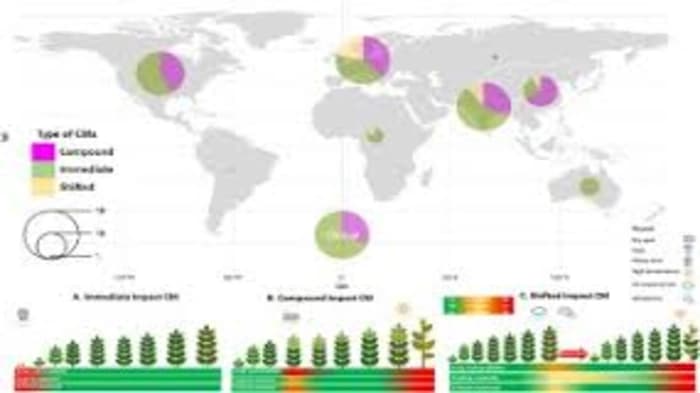
India’s agricultural sector faces a dual challenge. On one hand, climate stress, including rising temperatures, heatwaves, erratic rainfall, and extreme weather events, poses a serious threat to crop yields, rural livelihoods, and food security. Reports such as the UN-ESCAP 2025 heat-stress study highlight India as one of the top five countries globally at risk, with potential productivity losses in staple crops and heightened vulnerability for small and marginal farmers (PMF IAS).
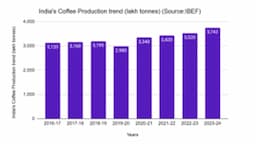
On the other hand, certain niche agricultural sectors, such as coffee cultivation in the Western and Eastern Ghats, are witnessing growth due to rising global demand for premium and specialty coffees, supportive government policies, and trade incentives. Coffee cultivation provides alternative livelihoods for tribal and rural communities, encourages agroforestry, and promotes biodiversity-friendly practices, illustrating a pathway for rural resilience amidst climate challenges.

Implications for Policy & India’s Development Path
The juxtaposition of climate vulnerability and sectoral opportunity calls for strategic, climate-resilient policy interventions:
- Crop Diversification and Niche Sector Promotion
Encouraging cultivation of climate-resilient and high-value crops like coffee, horticulture, and pulses can reduce reliance on traditional cereals and improve rural income stability. - Climate-Smart Agricultural Practices
Adoption of micro-irrigation, precision farming, drought-tolerant crop varieties, and shade-grown systems ensures productivity even under heat stress and erratic weather conditions. - Socioeconomic Upliftment of Rural Communities
Integrating skill development, market access, and cooperative models in emerging sectors like coffee cultivation strengthens community resilience and reduces rural poverty. - Sustainable Farming and Ecosystem Conservation
Agroforestry, organic practices, and soil-water management not only mitigate climate risks but also preserve natural ecosystems, enhancing long-term sustainability.
Conclusion
India’s development strategy must balance climate adaptation with agricultural innovation, leveraging growth in resilient and niche sectors to safeguard livelihoods, ensure food security, and strengthen rural economies. By promoting climate-smart agriculture and supporting high-value crops, India can navigate the dual challenge of climate vulnerability and economic opportunity, creating a more sustainable and resilient agricultural landscape.




.webp&w=256&q=75)