What Projects Are Underway

Under the recent $800 million ADB loan, India is implementing multiple initiatives that go beyond clean energy and agriculture. According to PendulumEdu:
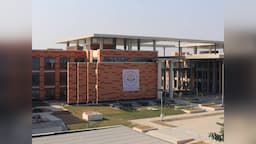
- Skill-development programmes in Gujarat focus on upskilling youth and enhancing employability in emerging sectors. These initiatives include vocational training, industry-linked apprenticeships, and entrepreneurship support.
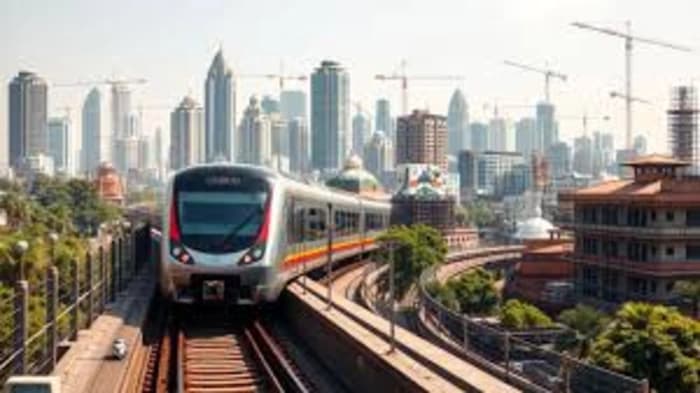
- Urban infrastructure projects, such as the Indore Metro expansion, aim to improve urban mobility, reduce congestion, and promote low-emission public transport systems.
- Ecological projects in Assam, including wetland restoration and fisheries development, aim to conserve biodiversity, enhance ecosystem services, and create livelihood opportunities for rural communities.
Broader Significance
These initiatives collectively reflect the government’s focus on human capital development, soft infrastructure modernization, and environmental sustainability:

- Inclusive Growth & Employment Generation
Skill-development programmes enhance employability, particularly for youth and marginalized communities, bridging the gap between education and industry needs. Ecological projects also create local employment in conservation and community-based resource management. - Urban Mobility & Sustainable Infrastructure
The Indore Metro expansion supports India’s broader urbanization strategy, enabling efficient public transport, reducing vehicular emissions, and improving quality of life in cities. - Ecological Restoration & Climate Resilience
Wetland and fisheries development projects strengthen environmental resilience, protect natural habitats, and support rural livelihoods. These projects align with climate adaptation goals and sustainable development principles. - Modernization of Soft Infrastructure
By integrating skills, urban mobility, and ecological management, India is investing in soft infrastructure—the human, institutional, and social capacities necessary for sustainable growth—alongside traditional hard infrastructure like roads and power systems.
Conclusion
The multi-sector focus of the ADB-funded projects demonstrates a holistic approach to development, where skill enhancement, urban mobility, and ecosystem restoration converge. Such initiatives not only boost employment and economic productivity but also support India’s long-term vision of inclusive, sustainable, and resilient growth, creating a framework for both social and environmental progress.




.webp&w=256&q=75)