


IAF intervention highlights urgency of protecting biodiversity hotspots
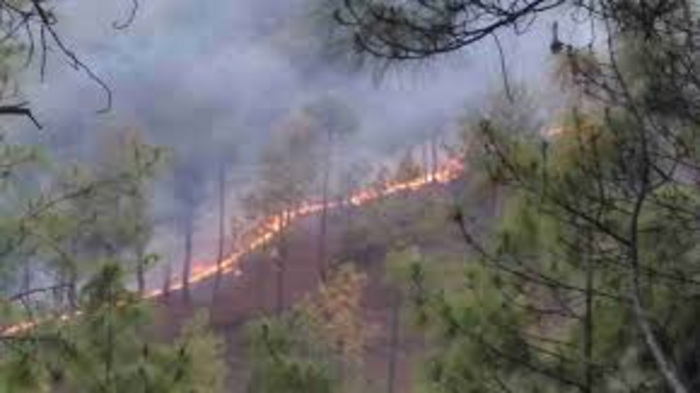
Recent forest fires in Northeast India, particularly in Arunachal Pradesh and Nagaland, have raised serious environmental and disaster management concerns. The fires have affected ecologically sensitive areas such as the Lohit Valley and the Dzukou Valley, which are known for their rich biodiversity and unique ecosystems. Due to the intensity and spread of the fires, the Indian Air Force was deployed to assist in firefighting operations using helicopters for aerial water drops and monitoring.
These forest fires pose a major threat to biodiversity hotspots in the region. Northeast India is home to diverse flora and fauna, including many endangered and endemic species. Forest fires destroy vegetation, wildlife habitats, and disrupt ecological balance. The fires also release large amounts of carbon dioxide into the atmosphere, contributing to climate change and air pollution.

The primary causes of these fires include dry leaf litter accumulation, low humidity, and dry winter weather conditions. During winter, forests become highly vulnerable due to reduced moisture, making it easier for fires to ignite and spread rapidly. In some cases, human activities such as shifting cultivation, unattended campfires, or negligence may also contribute to forest fires.
The significance of these fires extends beyond environmental damage. They affect the livelihoods of local communities that depend on forests for food, fuel, and income. Forest fires also increase the risk of soil erosion, reduce water retention capacity, and negatively impact agriculture and regional climate stability.
The incident highlights the importance of effective disaster management, early warning systems, and preventive measures such as controlled burning, forest monitoring, and community awareness. Protecting forest ecosystems is essential for maintaining biodiversity, ensuring climate stability, and supporting sustainable livelihoods in the region.

NIOS October Exam 2026: Class 10, 12 Theory Hall Tickets Released; Download Link Here

Haryana Open School Exams 2027: BSEH Extends Application Deadline to October 31

Gauhati University Places Six Faculty Members in World’s Top 2% Scientists List 2026

DU VC asks DUSU leaders to lead drug-free campus campaign, proposes wellness centers

Russia seeks to curb multiple university applications with upfront payment rule
.jpg&w=256&q=75)
From Class 8 to hospital owner: Rajasthan Police expose alleged fake doctor registration

Who will lead Keralam's universities? Government begins steps to appoint permanent VCs
%20(1)%20(1).jpeg&w=256&q=75)
Why does cracking JEE Advanced depend on coaching? IIT Kanpur Director calls for a revamp
.jpg&w=256&q=75)
NEET-PG 2026 answer key row: Supreme Court seeks NBEMS response on missing question papers
.png&w=256&q=75)
42 Iraqi universities feature in QS Arab Region University Rankings 2027

NIOS October Exam 2026: Class 10, 12 Theory Hall Tickets Released; Download Link Here
Haryana Open School Exams 2027: BSEH Extends Application Deadline to October 31
Gauhati University Places Six Faculty Members in World’s Top 2% Scientists List 2026
DU VC asks DUSU leaders to lead drug-free campus campaign, proposes wellness centers
Russia seeks to curb multiple university applications with upfront payment rule
From Class 8 to hospital owner: Rajasthan Police expose alleged fake doctor registration
Who will lead Keralam's universities? Government begins steps to appoint permanent VCs
Why does cracking JEE Advanced depend on coaching? IIT Kanpur Director calls for a revamp
NEET-PG 2026 answer key row: Supreme Court seeks NBEMS response on missing question papers
42 Iraqi universities feature in QS Arab Region University Rankings 2027
Copyright© educationpost.in 2026 All Rights Reserved.