


The mission aims to enhance resilience in agriculture, coastal regions, and urban areas through climate-resilient practices, robust infrastructure, and advanced early warning systems
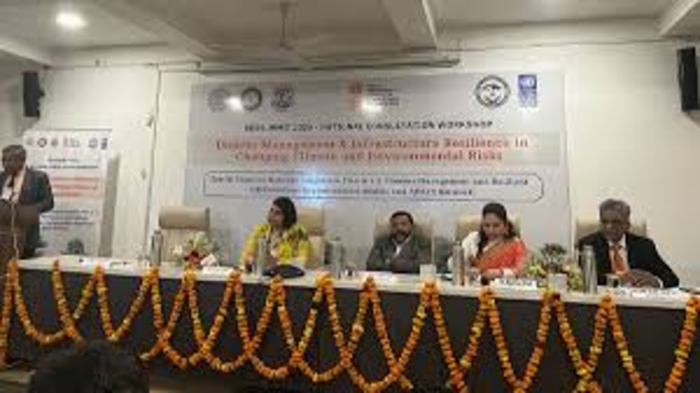
The Union Cabinet has approved the National Climate Adaptation Mission, marking a significant step in strengthening India’s capacity to cope with the adverse impacts of climate change. The mission focuses on improving resilience across key vulnerable sectors, including agriculture, coastal zones, and rapidly urbanizing regions, which are increasingly exposed to climate-related risks.
In the agricultural sector, the mission emphasizes the promotion of climate-resilient crop varieties, efficient water management practices, and sustainable farming techniques. These measures aim to safeguard farmers’ livelihoods, ensure food security, and reduce vulnerability to erratic rainfall, droughts, and rising temperatures.

For coastal areas, the mission prioritizes protection against sea-level rise, cyclones, and coastal erosion. Initiatives include the development of nature-based solutions, strengthening embankments, and improving disaster preparedness for coastal communities. Urban resilience is another key pillar, with a focus on flood-resistant infrastructure, improved drainage systems, and climate-sensitive urban planning to address the growing risks of heatwaves and urban flooding.
The mission also places strong emphasis on early warning systems and disaster risk reduction. By enhancing forecasting capabilities, strengthening institutional coordination, and improving last-mile communication, the government aims to minimize loss of life and economic damage from extreme weather events.
Experts note that the National Climate Adaptation Mission complements India’s mitigation-centric climate policies by addressing the unavoidable impacts of climate change. It enhances adaptive capacity, supports sustainable development, and aligns with India’s commitments under international climate frameworks.
Overall, the mission represents a holistic approach to climate governance, reinforcing India’s preparedness for climate challenges while promoting resilience, sustainability, and long-term socio-economic stability.

NIOS October Exam 2026: Class 10, 12 Theory Hall Tickets Released; Download Link Here

Haryana Open School Exams 2027: BSEH Extends Application Deadline to October 31

Gauhati University Places Six Faculty Members in World’s Top 2% Scientists List 2026

DU VC asks DUSU leaders to lead drug-free campus campaign, proposes wellness centers

Russia seeks to curb multiple university applications with upfront payment rule
.jpg&w=256&q=75)
From Class 8 to hospital owner: Rajasthan Police expose alleged fake doctor registration

Who will lead Keralam's universities? Government begins steps to appoint permanent VCs
%20(1)%20(1).jpeg&w=256&q=75)
Why does cracking JEE Advanced depend on coaching? IIT Kanpur Director calls for a revamp
.jpg&w=256&q=75)
NEET-PG 2026 answer key row: Supreme Court seeks NBEMS response on missing question papers
.png&w=256&q=75)
42 Iraqi universities feature in QS Arab Region University Rankings 2027

NIOS October Exam 2026: Class 10, 12 Theory Hall Tickets Released; Download Link Here
Haryana Open School Exams 2027: BSEH Extends Application Deadline to October 31
Gauhati University Places Six Faculty Members in World’s Top 2% Scientists List 2026
DU VC asks DUSU leaders to lead drug-free campus campaign, proposes wellness centers
Russia seeks to curb multiple university applications with upfront payment rule
From Class 8 to hospital owner: Rajasthan Police expose alleged fake doctor registration
Who will lead Keralam's universities? Government begins steps to appoint permanent VCs
Why does cracking JEE Advanced depend on coaching? IIT Kanpur Director calls for a revamp
NEET-PG 2026 answer key row: Supreme Court seeks NBEMS response on missing question papers
42 Iraqi universities feature in QS Arab Region University Rankings 2027
Copyright© educationpost.in 2026 All Rights Reserved.