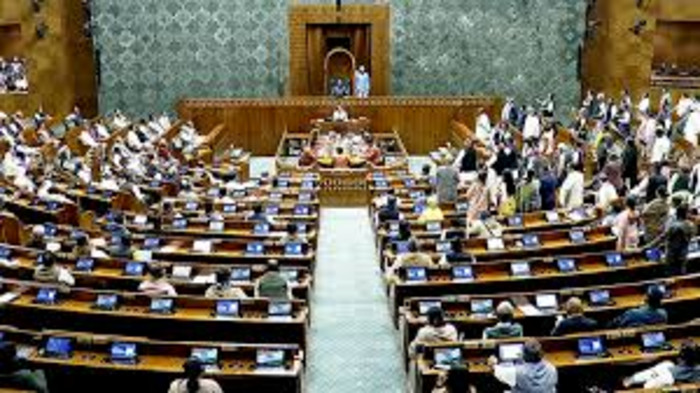
A Parliamentary Standing Committee has recommended a series of electoral reforms aimed at enhancing transparency, efficiency, and integrity in India’s electoral system. The proposals focus on modernizing election administration, strengthening accountability in political financing, and ensuring timely justice in electoral disputes.
One of the key recommendations is the introduction of fully digitized and regularly updated voter rolls. Digital voter databases are expected to reduce duplication, improve accuracy, and make the registration process more accessible, particularly for young and migrant voters. The panel emphasized the need for robust data protection measures to safeguard voter information.

The committee has also called for stricter disclosure norms for campaign finance. By mandating greater transparency in political funding and expenditure, the reforms seek to curb the influence of unaccounted money and promote a level playing field among candidates. Enhanced scrutiny of funding sources is expected to strengthen public confidence in the fairness of elections.
Another significant proposal is the faster adjudication of electoral disputes. The panel noted that prolonged litigation undermines electoral accountability and recommended setting up time-bound mechanisms or special benches to resolve election-related cases more efficiently.
Experts believe that these reforms can significantly improve electoral integrity and reinforce democratic governance. However, challenges such as technological readiness, institutional capacity, and political consensus will need to be addressed for effective implementation.
Overall, the Parliamentary Committee’s recommendations reflect a proactive approach to strengthening India’s democratic framework. By improving transparency, accountability, and efficiency, the proposed reforms aim to enhance public trust in the electoral process and uphold the credibility of democratic institutions.