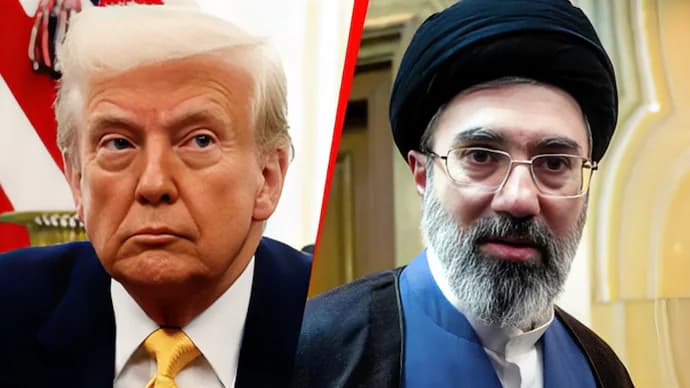
The United States has tabled a sweeping 15-point proposal aimed at ending the escalating Iran conflict, combining a 30-day ceasefire with far-reaching demands on Tehran’s nuclear and military capabilities. However, early signals suggest Iran is unlikely to accept the plan in its current form, given its long-standing resistance to similar conditions.
Washington’s proposal calls for strict curbs on Iran’s nuclear programme, dismantling of missile systems and military infrastructure, and a halt to support for proxy groups. A key strategic demand includes reopening the Strait of Hormuz — a vital global oil transit route — alongside a temporary truce to create space for negotiations.

In return, the US is offering partial sanctions relief, the possibility of economic engagement, and a UN-monitored civilian nuclear programme, with uranium fuel facilities located outside Iran.
The proposal has also triggered unease among Israeli officials, who have been pressing for continued military pressure rather than a pause in hostilities. The development comes as the Pentagon moves to deploy at least 1,000 additional troops to the region, adding to the nearly 50,000 already stationed across the Middle East.
According to officials cited by Reuters and The New York Times, the plan has been shared with Iran through intermediaries, with Pakistan emerging as a potential venue for talks. Islamabad has offered to host negotiations, with Prime Minister Shehbaz Sharif signalling readiness to facilitate “meaningful and conclusive” dialogue.
US participation in such talks has been agreed to in principle, with early discussions possibly beginning as soon as next week. Key American representatives are expected to include envoy Steve Witkoff and Jared Kushner.
Not a new blueprint
Despite its scale, diplomats say the framework is not entirely new. The proposal closely mirrors a plan put forward by Donald Trump’s team during nuclear negotiations in May 2025, which collapsed following Israeli strikes on Iranian nuclear facilities.
That earlier version imposed strict limits on uranium enrichment, called for the export of nuclear stockpiles, and proposed tight controls on how sanctions relief funds could be used — all in exchange for limited economic concessions.
There is still ambiguity over whether a revised proposal has formally been presented. Some diplomats remain sceptical about any substantive changes, suggesting the current plan may largely recycle previous demands.
Deep mistrust clouds path to talks
Iran has denied engaging in any backchannel negotiations and accused Trump of using diplomatic signals to calm US markets while delaying potential military action. Tehran has also warned of retaliatory steps, including the possibility of mining the Gulf, if US troop deployments continue to rise.
Meanwhile, US military positioning in the region continues to intensify, with additional Marine units deployed to maintain what officials describe as “maximum flexibility.”
Analysts say the proposal could reflect an attempt by Washington to create an offramp from a deepening conflict. However, prospects for meaningful talks remain uncertain, weighed down by entrenched mistrust, shifting US demands, and internal ambiguity within Iran over decision-making authority.