


As Washington and Tehran move closer to a possible agreement after months of conflict, disagreements over Iran’s nuclear material and the strategic Strait of Hormuz continue to complicate negotiations.
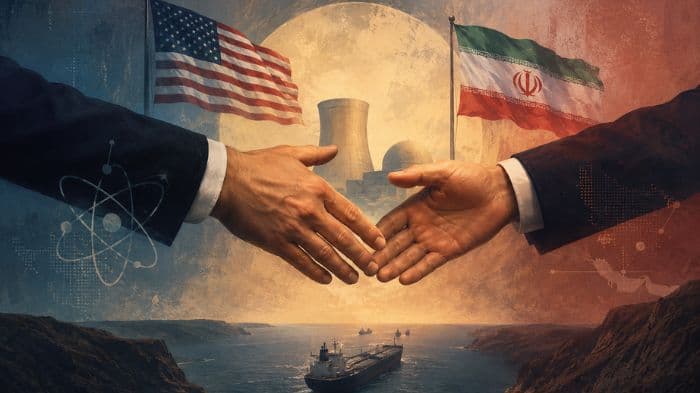
More than three months into the conflict between the United States and Iran, negotiations over a possible agreement appear to be entering a crucial phase, with US President Donald Trump reportedly seeking changes to a draft deal that had been under discussion between the two sides.
According to reports, Trump has asked advisers to revise parts of the proposed agreement, particularly provisions dealing with Iran’s enriched uranium stockpile and the future handling of nuclear material. The move suggests that while progress has been made, several key issues remain unresolved.

What is the proposed deal?
Although the full text has not been made public, reports indicate that the negotiations are aimed at ending hostilities and establishing conditions that would prevent Iran from developing nuclear weapons.
The talks are believed to cover Iran’s nuclear programme, the future of its enriched uranium reserves, monitoring and verification mechanisms, and broader security arrangements in the region.
Trump has repeatedly said that any agreement must guarantee that Iran does not acquire nuclear weapons, while Iranian officials have maintained that their nuclear programme is intended for peaceful purposes.
Why is enriched uranium a major issue?
Enriched uranium lies at the heart of the negotiations.
Uranium enriched to low levels can be used to generate nuclear energy. However, when enriched to much higher levels, it can potentially be used in nuclear weapons.
One of the key questions reportedly being debated is what should happen to Iran’s existing stockpile of enriched uranium and how it should be monitored. Reports suggest Washington wants stricter provisions regarding the transfer, storage or disposal of nuclear material before signing off on a final agreement.
Why does the Strait of Hormuz matter?
Another sticking point is the Strait of Hormuz, one of the world’s most strategically important waterways.
Strait of Hormuz connects the Persian Gulf to international shipping routes and carries a significant share of the world's oil exports.
Any disruption to traffic through the strait can affect global energy supplies and fuel prices. In recent months, Iran has sought to exercise greater control over maritime traffic in the region, raising concerns among shipping companies and governments.
Reports indicate that the US wants stronger guarantees on freedom of navigation and shipping security as part of any final agreement.
Why is the deal important?
The outcome of the negotiations could have implications far beyond Iran and the United States.
A successful agreement could help reduce tensions in West Asia, improve maritime security and ease concerns in global energy markets. Failure to reach a deal, however, could prolong uncertainty and increase the risk of further confrontation in a region that remains central to global oil supplies.
For now, both sides appear to be continuing negotiations, but Trump's reported demand for tougher conditions indicates that a final agreement is not yet within reach.

IIIT Ranchi student death: NHRC to examine allegations of administrative negligence and delayed medical aid
.jpg&w=256&q=75)
Karnataka introduces 7.5% sub-quota for rural government school students in professional course admissions

Dubai forum to examine AI agents’ role in journalism and digital publishing

NEET PG Counselling 2026 Round 1 registration begins Oct 12, check schedule and key dates
Groundwater and urban resilience in focus at UAEU’s international conference
IIIT Ranchi student death: NHRC to examine allegations of administrative negligence and delayed medical aid
Karnataka introduces 7.5% sub-quota for rural government school students in professional course admissions
Dubai forum to examine AI agents’ role in journalism and digital publishing
NEET PG Counselling 2026 Round 1 registration begins Oct 12, check schedule and key dates
PM Modi praises NEP impact, Tamil Nadu CM Vijay seeks ₹5,110 crore in dues

IIIT Ranchi student death: NHRC to examine allegations of administrative negligence and delayed medical aid
Karnataka introduces 7.5% sub-quota for rural government school students in professional course admissions
Dubai forum to examine AI agents’ role in journalism and digital publishing
NEET PG Counselling 2026 Round 1 registration begins Oct 12, check schedule and key dates
Groundwater and urban resilience in focus at UAEU’s international conference
IIIT Ranchi student death: NHRC to examine allegations of administrative negligence and delayed medical aid
Karnataka introduces 7.5% sub-quota for rural government school students in professional course admissions
Dubai forum to examine AI agents’ role in journalism and digital publishing
NEET PG Counselling 2026 Round 1 registration begins Oct 12, check schedule and key dates
PM Modi praises NEP impact, Tamil Nadu CM Vijay seeks ₹5,110 crore in dues
Copyright© educationpost.in 2026 All Rights Reserved.