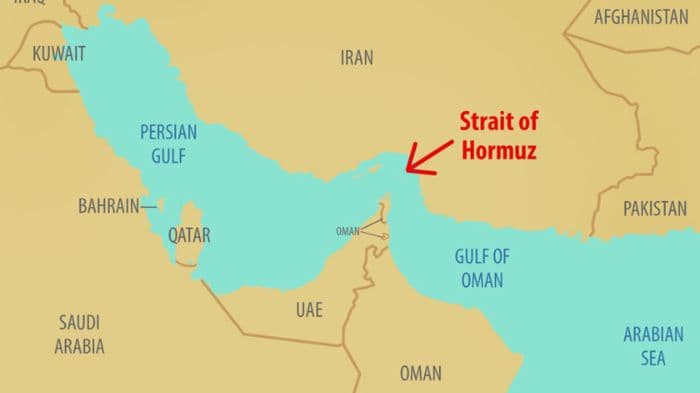
Iran has begun selectively allowing ships from certain countries to pass through the Strait of Hormuz, while restricting vessels linked to the United States and its allies, according to recent developments amid the ongoing war.
Tehran has maintained that the crucial maritime route remains “open,” but only for nations it does not consider hostile. Ships associated with the US, Israel, and their allies are being denied safe passage or face potential targeting.

Countries seen as neutral or maintaining diplomatic engagement with Iran have been able to secure passage for their vessels. Reports indicate that nations such as India and others have held discussions with Iranian authorities to ensure safe transit through the strategic waterway.
According to media reports, ships flagged to countries such as India, China, Pakistan, and Turkey have been granted passage through the strait on a case-by-case basis.
Tehran is also in talks with countries including Japan, France, and Italy regarding potential transit access.The move comes as Iran effectively tightens its grip over one of the world’s most critical energy chokepoints, through which a significant share of global oil and liquefied natural gas shipments passes.
Any restriction in movement through the strait has immediate implications for global energy markets and supply chains.
Shipping traffic through the Strait of Hormuz has dropped sharply amid the conflict, with hundreds of vessels either stranded or rerouted due to security risks and uncertainty over safe passage.
Iran’s approach reflects a broader strategy of using maritime access as leverage in the conflict, allowing passage to “friendly” or neutral countries while exerting pressure on its adversaries.
The situation has heightened concerns among global powers, as any prolonged disruption in the Strait of Hormuz could lead to rising oil prices, supply shortages, and wider economic fallout across regions dependent on Gulf energy exports.




.jpg&w=256&q=75)





.jpg&w=256&q=75)
