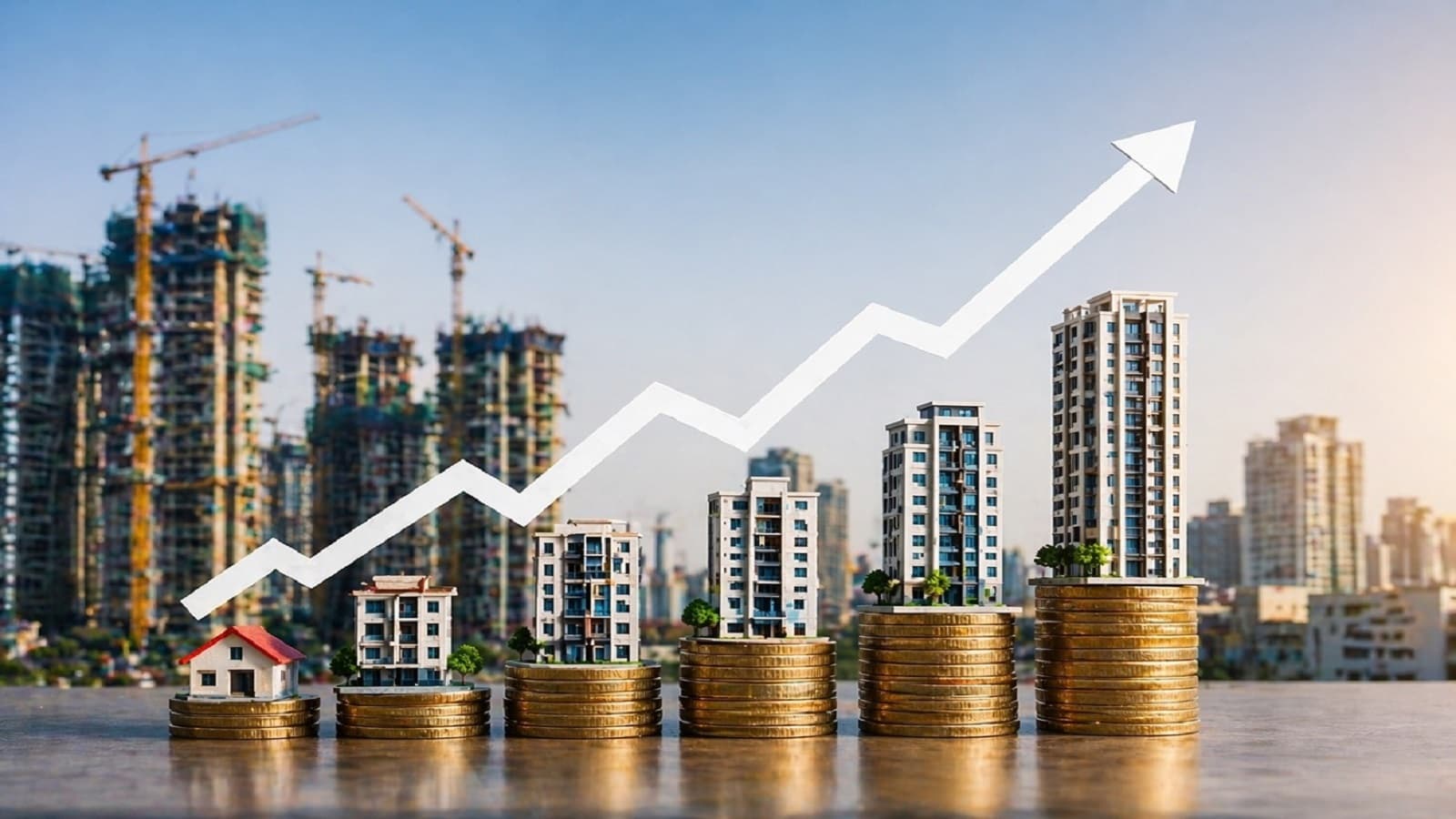
India’s Housing Price Index (HPI) rose at a pace similar to previous year even as inflation rose, signalling stability in the residential market, a report said on Wednesday. The report from Bank of Baroda said the Reserve Bank of India index covering 18 cities rose 3.6 per cent in Q1FY27, down from 4.5 per cent in Q4FY26. Interestingly, the index has grown at same pace as it did back in Q1FY26.
On a quarter‑on‑quarter basis, the HPI grew 1.1 per cent in Q1FY27, up from 0.5 per cent in Q4FY26, and housing credit grew 11 per cent in the Q1, remaining steady despite broader economic challenges. Housing inflation was impacted by higher input costs, with global commodity prices and construction costs contributing to the increase in housing prices. The aftermath of the West Asia conflict weighed on global growth as it pushed commodity prices higher and disrupted supply chains.

Inflation surged in India as well in Q1FY27 and the impact of higher inflation was noted across industries. Top contributors to annual growth of HPI in Q1FY27 included Chandigarh (49.6 per cent), Jaipur (36.4 per cent), Kanpur (27.5 per cent), Lucknow (17.7 per cent) and Thiruvananthapuram (16.3 per cent). The price appreciation in Chandigarh is due to recent revision in the collector rate, applicable from April 1, 2026. Further, unavailability of new land pockets has also pushed prices higher in recent times.
Cities such as Delhi (-1.2 per cent), Kolkata (-31.5 per cent), Mumbai (2.8 per cent) and Hyderabad (-0.8 per cent) have declined or grown at a much slower pace in Q1FY27. Tier-2 cities are driving the market demand rather than the big cities supported by increased connectivity and growing service-based employment opportunities.
Disclaimer: “This story has been published from a syndicated news feed. Only the headline and subtitle have been edited by EPN.”





.jfif&w=256&q=75)