


AI is streamlining university operations, reducing administrative burdens, and enhancing student services while enabling educators to focus on teaching, research, and mentorship, writes Manish Mohta.
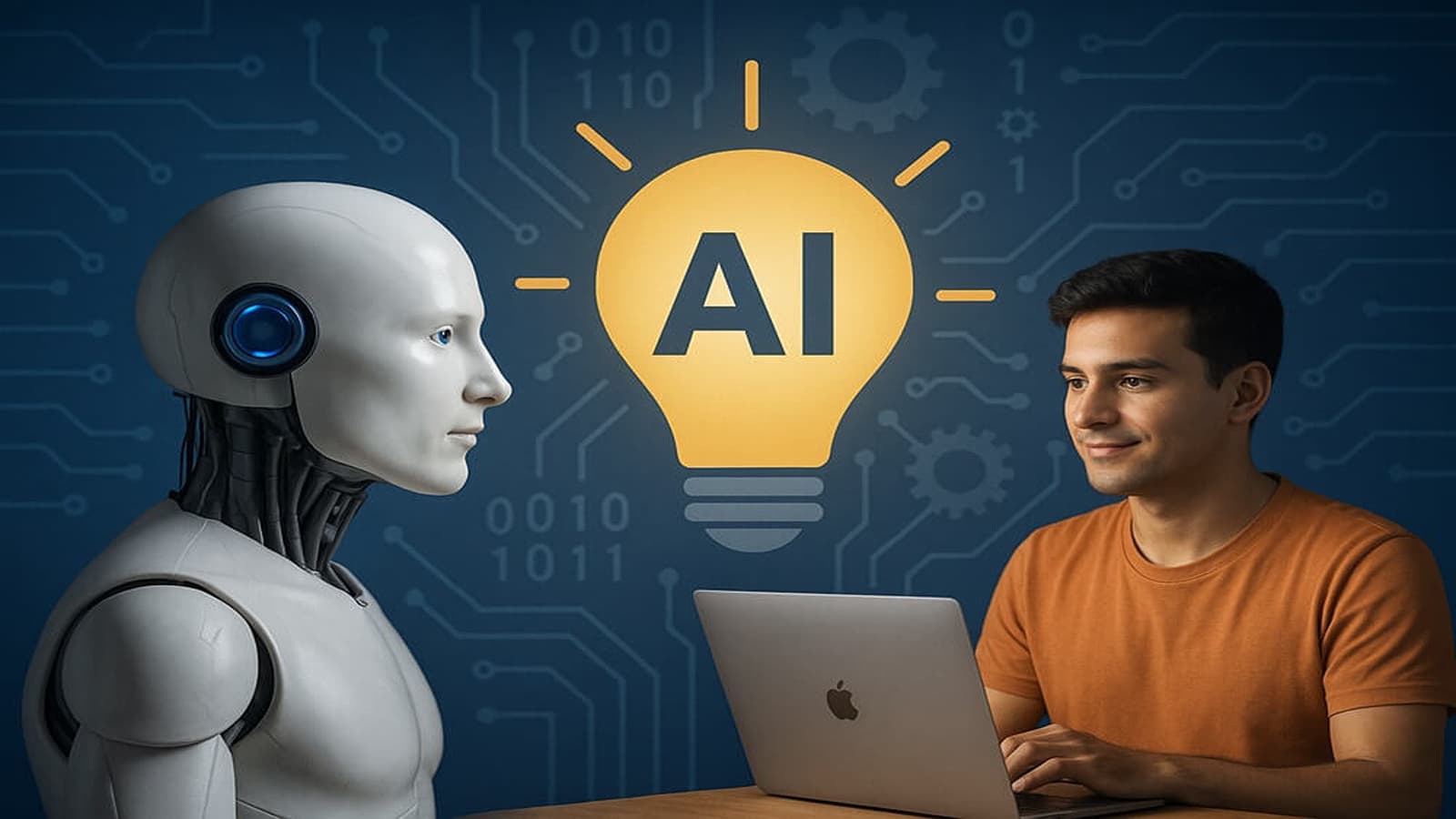
In recent years, artificial intelligence or AI has become one of the most talked-about topics in the area of higher studies. Still, a large part of the discussion revolves around how AI is used inside the classes. If we see it in a realistic manner, various changes have already been adopted. With thousands of applicants and students in each university, several documents are handled every year, including application forms, exam documents, student academic records, fee slips, faculty workflows, and administrative requests.
As institutions grow and as students' expectations change, the task of managing these details will become increasingly difficult to do manually. AI supports colleges in streamlining repetitive activities, reducing administrative delays, and enhancing decision-making. However, it does not change how teachers perform their critical function. Rather than providing substitutes for teachers, it allows them to devote additional time to the business of educating, mentoring, and academic advancement, thus developing a much more efficient and effective learning environment. This transition demonstrates the emergence of an era where intelligent universities will be recognised, not only as technology-advanced, but also by their capacity to develop a highly efficient, student-centred ecosystem, through which individuals may access high-quality educational resources.

AI will serve as a tool to help institutions function efficiently, and universities have recently started utilizing AI-driven technologies to manage student records, rationalize admission procedures, automate the organization of all documentation, monitor examination activities, and automate the generation of all forms of reports, as well as give students regular updates on their progress. These advancements will allow for less paperwork, fewer mistakes in record-keeping, and more responsive administration services. Students will experience increased communication, improved access to information, and increased visibility during their entire course of study. Imperative to note that faculty members' administrative workloads have been streamlined, which creates more bandwidth for faculty to focus on developing curriculum, being involved with research, and working with students.
Educators have not been replaced by Artificial Intelligence's ability to provide judgment, empathy, etc. When it comes to admissions, assessments, and academic guidance, as well as student welfare, decisions still require human oversight. Institutions that take an equal approach towards academics and administrations through technology are realising how digital intelligence can create greater collaboration rather than creating a divide between people and technology. Technology is an enabler for institutions that provide accurate information and automate routine tasks, but keep all critical decision-making in the hands of the professors in those institutions.
Universities will need to decide how to use AI to create intelligent higher education from an operational standpoint, rather than solely from a perspective of the quantity of AI adoption. Higher education institutions will create intelligent colleges/universities by using technology to improve efficiencies while still maintaining the human values that are fundamental to educational experiences. Investments made in interconnected digital systems, secure data management, transparent processes, and student-centric services will enable and enhance an institution’s ability to be responsive and flexible to its changing environment. The experience provided to students and educators, as well as administrative staff, by the universities or colleges is going to be a superior measure of success for all higher education levels as they continue to evolve.
Artificial intelligence (AI) will play a major role in this effort. While AI will not replace the educator's role, it will be used as a reliable partner to help provide more effective academic operations, more informed decision-making, and improved institutional outcomes. Institutions that take the initiative to utilize AI today will be in a position to meet the needs of the students of the future and ensure that technology continues to be a means to empower all individuals, rather than a means to replace individuals.
This article is written by Manish Mohta, Founder of Learning Spiral. The views expressed are solely those of the authors and are personal in nature. This is an opinionated article, and Education Post does not endorse or take responsibility for the opinions expressed herein.

Morocco opens inclusive university for deaf and hearing students in Rabat

Kuwait University opens petroleum lab to train geology students

UP Board Extends Deadline to October 22 for 5,905 Schools to Submit Class 9, 11 Student Lists

NIOS October Exam 2026: Class 10, 12 Theory Hall Tickets Released; Download Link Here

Haryana Open School Exams 2027: BSEH Extends Application Deadline to October 31
.jpg&w=256&q=75)
From Class 8 to hospital owner: Rajasthan Police expose alleged fake doctor registration

Who will lead Keralam's universities? Government begins steps to appoint permanent VCs
%20(1)%20(1).jpeg&w=256&q=75)
Why does cracking JEE Advanced depend on coaching? IIT Kanpur Director calls for a revamp
.jpg&w=256&q=75)
NEET-PG 2026 answer key row: Supreme Court seeks NBEMS response on missing question papers
.png&w=256&q=75)
42 Iraqi universities feature in QS Arab Region University Rankings 2027

Morocco opens inclusive university for deaf and hearing students in Rabat
Kuwait University opens petroleum lab to train geology students
UP Board Extends Deadline to October 22 for 5,905 Schools to Submit Class 9, 11 Student Lists
NIOS October Exam 2026: Class 10, 12 Theory Hall Tickets Released; Download Link Here
Haryana Open School Exams 2027: BSEH Extends Application Deadline to October 31
From Class 8 to hospital owner: Rajasthan Police expose alleged fake doctor registration
Who will lead Keralam's universities? Government begins steps to appoint permanent VCs
Why does cracking JEE Advanced depend on coaching? IIT Kanpur Director calls for a revamp
NEET-PG 2026 answer key row: Supreme Court seeks NBEMS response on missing question papers
42 Iraqi universities feature in QS Arab Region University Rankings 2027
Copyright© educationpost.in 2026 All Rights Reserved.