


Premier probe agency says 10 accused were tied to Ansar Ghazwat-ul-Hind and part of a wider jihadist plot involving radicalized medical professionals.
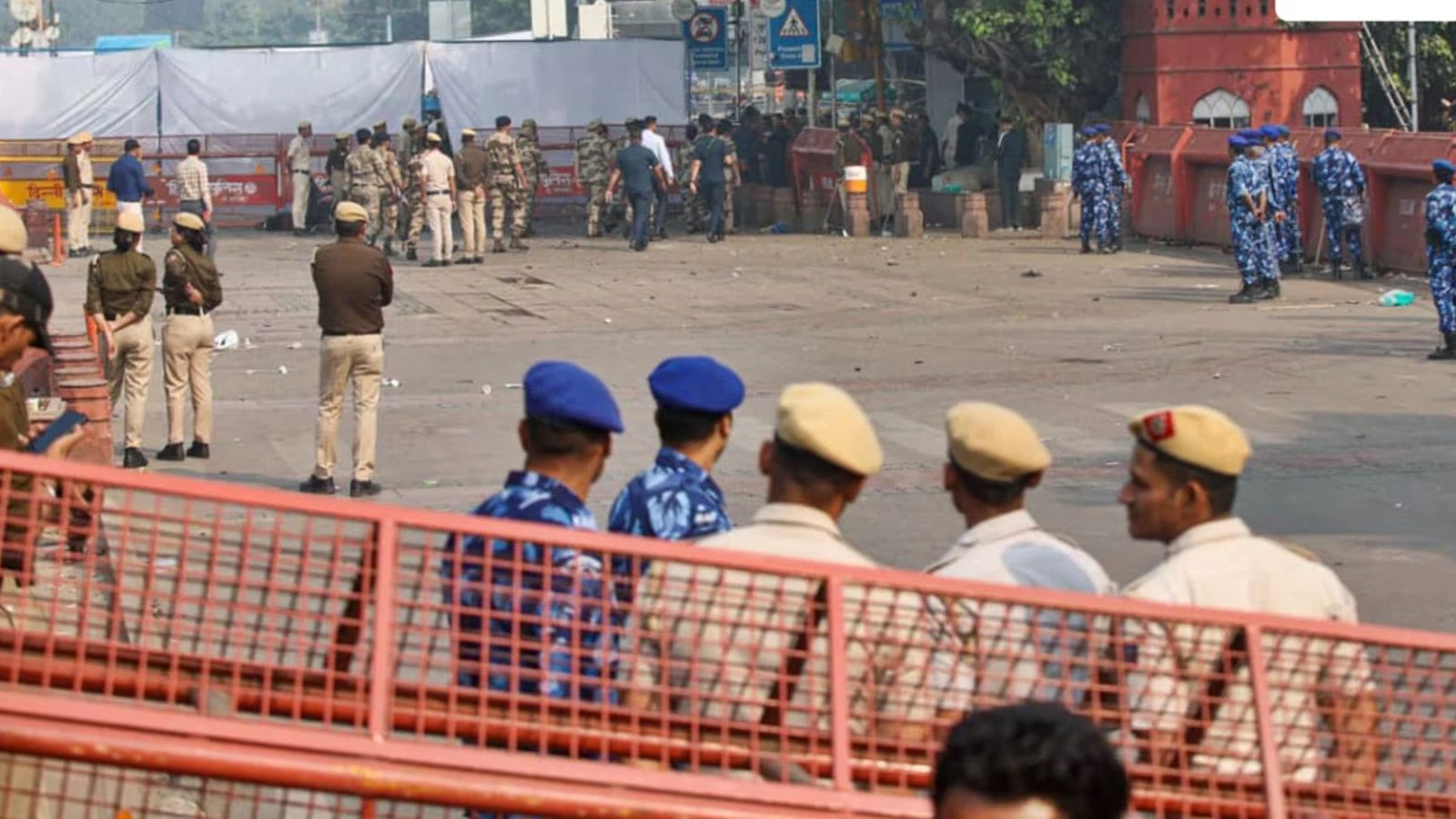
All ten accused in the Red Fort car bomb explosion case were linked to an organization affiliated with al-Qaeda, the National Investigation Agency (NIA) has said in its 7,500-page chargesheet filed on May 15.
According to the agency, the accused, including the alleged main perpetrator Umer Un Nabi, who died in the explosion, were associated with Ansar Ghazwat-ul-Hind (AGuH), an offshoot of al-Qaeda in the Indian Subcontinent (AQIS). AGuH was designated a terrorist organisation by the Ministry of Home Affairs in June 2018.

The chargesheet, filed before the NIA special court at Delhi’s Patiala House Courts, relates to the November 10 blast that killed 11 people. The court is yet to take cognizance of the chargesheet.
The NIA has invoked provisions of the Unlawful Activities (Prevention) Act (UAPA), Bharatiya Nyaya Sanhita (BNS), Explosive Substances Act, Arms Act, and the Prevention of Damage to Public Property Act.
Investigators said charges against Pulwama-based Umer, a former assistant professor of medicine at Al-Falah University in Faridabad, have been proposed for abatement following his death.
The other nine accused named in the chargesheet are Aamir Rashid Mir, Jasir Bilal Wani, Muzamil Shakeel, Adeel Ahmed Rather, Shaheen Saeed, Mufti Irfan Ahmad Wagay, Soyab, Bilal Naseer Malla, and Yasir Ahmad Dar.
The agency said the investigation stretched across Jammu and Kashmir, Haryana, Uttar Pradesh, Maharashtra, Gujarat and Delhi-NCR, involving 588 witness statements, over 395 documents, and more than 200 seized exhibits.
After taking over the case from Delhi Police, the NIA said it uncovered what it described as a major jihadist conspiracy involving radicalized medical professionals allegedly inspired by al-Qaeda and AGuH ideology.
According to the agency, the accused regrouped during a secret meeting in Srinagar in 2022 and revived the outfit as “AGuH Interim” after a failed attempt to travel to Afghanistan via Turkey.
Under this new formation, they allegedly launched “Operation Heavenly Hind”, aimed at overthrowing India’s democratic government and imposing Sharia rule. The NIA said the group recruited members, spread extremist ideology, stockpiled weapons, and manufactured explosives using commercially available chemicals.
Investigators alleged the accused fabricated and tested improvised explosive devices (IEDs) and experimented with triacetone triperoxide (TATP), a highly unstable explosive compound believed to have caused the blast.
The agency said Umer’s identity was confirmed through DNA fingerprinting, while forensic analysis, voice samples, and evidence gathered from Al-Falah University and multiple locations in Jammu and Kashmir strengthened the case.
The probe also found that the accused allegedly procured prohibited weapons, including an AK-47, a Krinkov rifle, and country-made pistols with live ammunition.
The NIA further alleged that the group experimented with rocket- and drone-mounted IEDs intended to target security establishments in Jammu and Kashmir and elsewhere, while sourcing laboratory equipment and electrical components through both online and offline channels.
The agency said the module’s alleged plan to expand operations across India was disrupted after its crackdown. Eleven arrests have been made so far, while efforts are underway to trace other absconding suspects whose roles emerged during the investigation.
IIT Gandhinagar Researchers Develop Two Compounds That Show Promise Against Drug-Resistant Brain Cancer

Japan's Hokkaido University faces faculty exodus as funding cuts hit research environment

Satya School Gurugram Organises Annual Sports Day Satyan Spardha; Asian Games Double Medallist Ganesh Thirumuru Inspires Students

NCTE Forms Two Committees to Revise CTET, STET Eligibility Rules for ITEP Graduates

Why are Japanese families paying more for private high schools despite tuition subsidies?
Japan's Hokkaido University faces faculty exodus as funding cuts hit research environment
Why are Japanese families paying more for private high schools despite tuition subsidies?

China honors five scholars from four countries with global education research award
IIT Kanpur, BIT Mesra sign five-year agreement to strengthen academic and research collaboration
Why are India's leading universities slipping in QS Asia Rankings 2027 despite growing representation?

IIT Gandhinagar Researchers Develop Two Compounds That Show Promise Against Drug-Resistant Brain Cancer
Japan's Hokkaido University faces faculty exodus as funding cuts hit research environment
Satya School Gurugram Organises Annual Sports Day Satyan Spardha; Asian Games Double Medallist Ganesh Thirumuru Inspires Students
NCTE Forms Two Committees to Revise CTET, STET Eligibility Rules for ITEP Graduates
Why are Japanese families paying more for private high schools despite tuition subsidies?
Japan's Hokkaido University faces faculty exodus as funding cuts hit research environment
Why are Japanese families paying more for private high schools despite tuition subsidies?
China honors five scholars from four countries with global education research award
IIT Kanpur, BIT Mesra sign five-year agreement to strengthen academic and research collaboration
Why are India's leading universities slipping in QS Asia Rankings 2027 despite growing representation?
Copyright© educationpost.in 2026 All Rights Reserved.