India takes education global: 21 foreign universities, 268 CBSE schools across 26 countries
The Education Ministry outlines plans to attract international students, expand overseas university campuses, strengthen research collaborations and promote student and teacher exchanges under NEP 2020 and Viksit Bharat 2047.
Written by: Pragya Kumari4 Min Read · Updated:
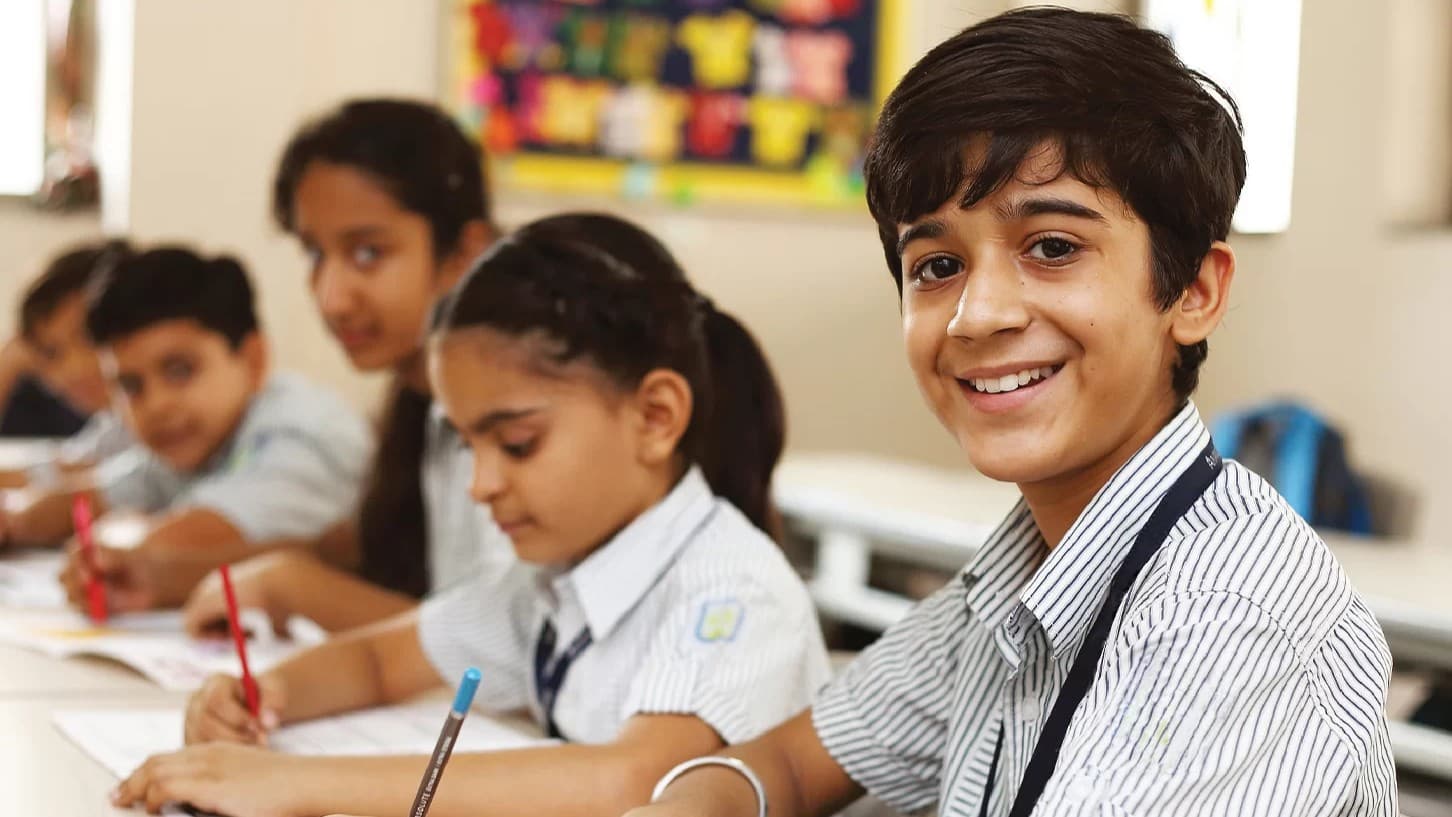
Union Education Minister Pralhad Joshi chaired the first meeting of the Parliamentary Consultative Committee on Education for 2026 to discuss internationalizing India's education system, expanding overseas campuses of Indian universities and attracting foreign institutions and students to the country.
The meeting focused on strengthening India's position as a global knowledge hub through international academic partnerships, research collaborations and greater student and faculty mobility.
Members also discussed ways to expand the global presence of Indian universities and facilitate the establishment of foreign university campuses in India.
Addressing the committee, Joshi highlighted the historical global influence of India's knowledge traditions and said the Ministry of Education was taking further steps to expand the country's international academic presence.
"The Indian Knowledge System has a long history of global impact and that the Ministry is further expanding its global footprint," Joshi said.
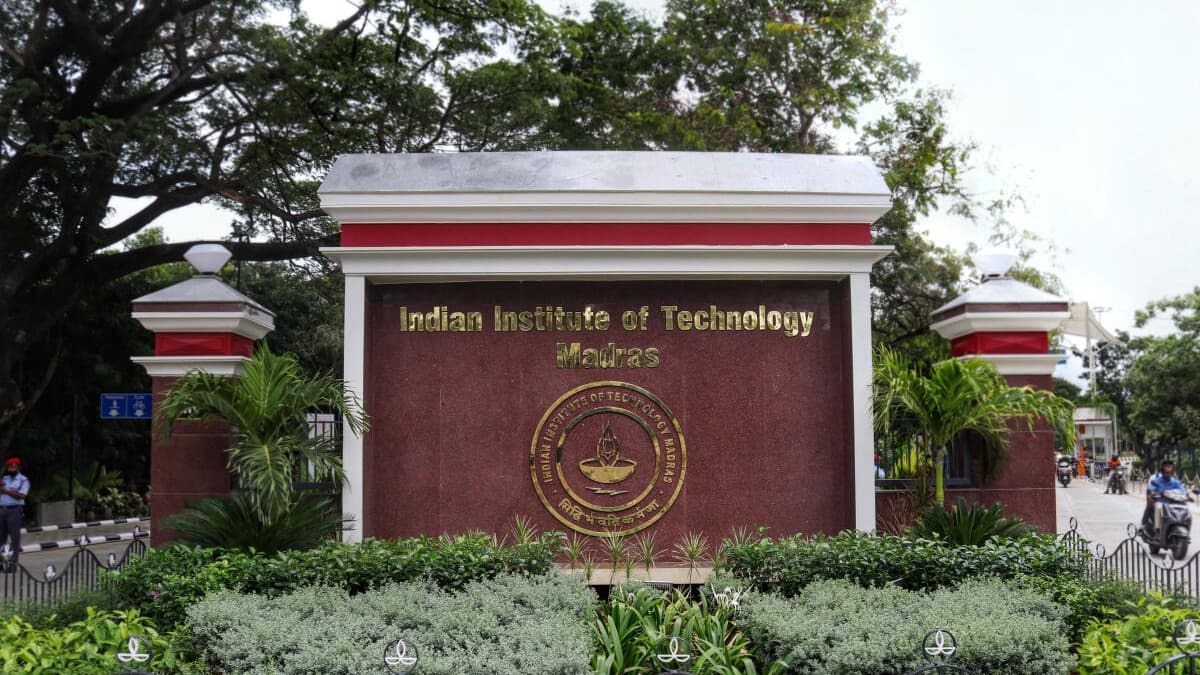
He added that the government was working to establish campuses of Indian higher education institutions (HEIs) overseas while facilitating the entry of foreign universities into India.
Sharing details of the meeting on X, the minister said the discussions also covered opportunities to strengthen academic partnerships, promote research collaborations and improve India's standing in the international education sector.
21 foreign higher education institutions operational in India
Providing an update on the internationalization of higher education, Joshi informed committee members that around 21 foreign higher education institutions (HEIs) were operational in India.
The government has also issued 17 Letters of Intent (LoIs) to foreign universities under the University Grants Commission (UGC) regulations, allowing them to establish campuses in the country.
These institutions include universities from the United Kingdom, the United States, Australia and Italy. The initiative is part of the government's efforts to facilitate international universities' entry into India and create opportunities for cross-border academic engagement.
The Department of Higher Education outlined four strategies to advance the internationalization of Indian higher education.
These include academic and research collaborations, attracting international students to India, facilitating branch campuses of foreign higher education institutions and enabling Indian universities to establish campuses overseas.
The minister also noted that the demand for CBSE schools abroad reflects the credibility of Indian education programmes and their potential for expansion in international markets.
Members of Parliament were briefed on several initiatives aimed at strengthening international research partnerships and academic engagement.
These include Bharat Innovates, the Scheme for Promotion of Academic and Research Collaboration (SPARC), the Global Initiative of Academic Networks (GIAN), Direct Admission of Students Abroad (DASA) and the revamped Study in India (SII) portal.
The initiatives are designed to strengthen research linkages, encourage international academic participation and improve the visibility of Indian institutions among students and researchers overseas.
They also seek to create more opportunities for academic exchanges and collaboration between Indian universities and foreign institutions.
CBSE Global expansion, NIOS and multilingual education discussed
The internationalization agenda also covered school education, with the Department of School Education and Literacy presenting measures to expand the global presence of Indian school boards and educational programmes.
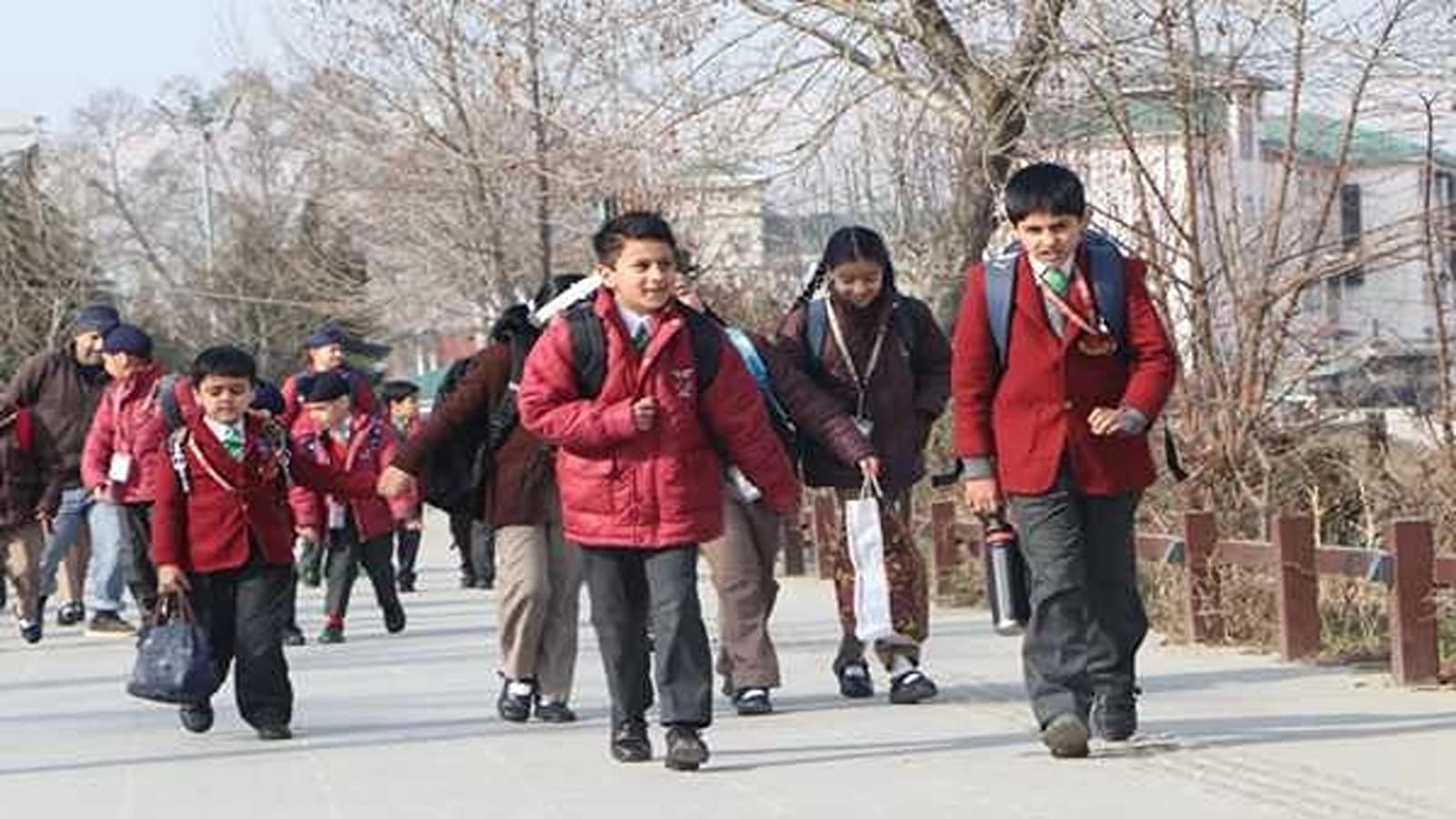
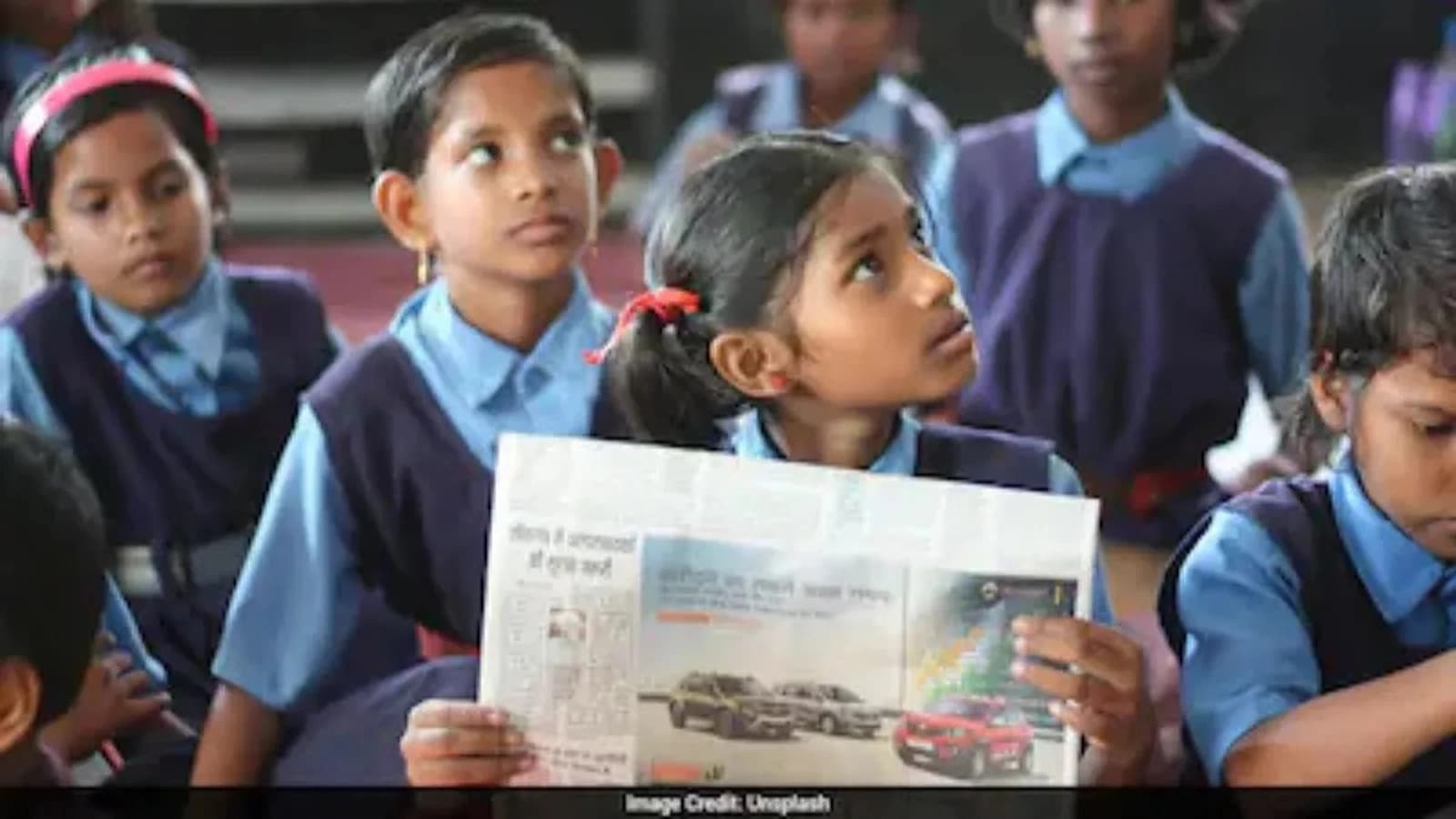
According to the Ministry of Education, 268 schools affiliated with the Central Board of Secondary Education (CBSE) were operational across 26 countries.
The board has also established an overseas regional office in Dubai to support its international operations and strengthen coordination with affiliated schools.
To maintain consistency in academic evaluation, a standardized assessment framework has been implemented across CBSE-affiliated schools globally. The discussions also covered the expansion of CBSE Global and the National Institute of Open Schooling (NIOS).
Other areas of focus included multilingual education, international mobility for teachers, student and faculty exchange programmes, curriculum reforms and greater cross-cultural exposure for learners.
The Ministry also highlighted the importance of aligning educational curricula with international standards and strengthening assessment mechanisms to support academic equivalence across education systems.
"The alignment of the curriculum with global standards, multilingual education, exchange programmes for students and teachers, and the PARAKH National Assessment Centre for academic equivalence and quality alignment were among the key factors driving internationalisation," it said.
These measures are intended to extend the reach of Indian school education beyond the country's borders while strengthening its engagement with international education systems.
NEP 2020 and Viksit Bharat 2047 guide education reforms
The Department of School Education and Literacy highlighted the role of the National Education Policy (NEP) 2020 and the government's Viksit Bharat 2047 vision in driving changes across India's education system.
The policy framework emphasizes improving educational quality, strengthening institutional capacity and expanding learning opportunities for students.
During the meeting, committee members discussed how these priorities could support India's ambition to become a preferred destination for international education, research and academic collaboration.
The discussions also covered suggestions related to vocational education and expanding the network of Indian educational institutions overseas.
The Ministry's internationalization efforts are aimed at strengthening the global competitiveness of Indian institutions while creating opportunities for students and faculty members to engage with international academic environments.
Senior education officials attend parliamentary committee meeting
Union Minister of State for Education Jayant Chaudhary attended the meeting along with senior officials from the Ministry of Education.
Those present included Department of Higher Education Secretary Deepti Gaur Mukerjee and Department of School Education and Literacy Secretary T K Anil Kumar, along with other senior ministry officials.
Members of Parliament appreciated the initiatives undertaken by the two departments to promote the internationalization of Indian education.
The meeting brought together discussions on expanding higher education institutions internationally, strengthening research partnerships, attracting foreign universities and increasing the global reach of Indian school education.
Through these measures, the Ministry of Education is seeking to strengthen India's participation in the international academic ecosystem and advance its position as a global destination for higher education, research and knowledge exchange.
Also read