


As defence veterans back the Great Nicobar mega project for boosting India’s economic and military reach, environmental concerns over forest loss and ecological impact continue to fuel opposition.
.jpg&w=3840&q=75)
India’s ambitious Great Nicobar development project has triggered a sharp debate, with supporters calling it a strategic necessity and critics warning of irreversible environmental damage. The issue has gained traction after defence veterans publicly backed the project, even as fresh concerns emerged over forest clearance.
What is the Great Nicobar project?

The Great Nicobar project is a large-scale infrastructure plan on Great Nicobar Island in the Andaman and Nicobar chain. It includes a transshipment port, a dual-use airport for civilian and military purposes, a township, and a power plant.
The project is positioned close to key global shipping routes near the Strait of Malacca, making it significant for trade and maritime strategy.
Why supporters call it strategic
Defence veterans and strategic experts argue the project is critical for strengthening India’s position in the Indo-Pacific region. According to them, it will enhance India’s military presence and logistics capabilities in a region where China’s influence has been expanding.
They also say the project can boost India’s economic prospects by reducing reliance on foreign transshipment hubs such as Singapore and Colombo, and by positioning the island as a global shipping and logistics hub.
Supporters have further argued that opposing the project could weaken India’s strategic posture and indirectly benefit China by limiting India’s reach in critical maritime zones.
What are the environmental concerns
On the other side, environmental groups and researchers have raised serious concerns about ecological damage. The project involves diversion of large forest areas and the felling of an estimated 9.6 lakh trees, according to official figures.
Critics warn that such large-scale deforestation could affect fragile island ecosystems, including rare species and coastal biodiversity. The island is home to unique wildlife, including the leatherback sea turtle and other endemic species, which could be impacted by construction activity.
There are also concerns about the impact on indigenous communities such as the Shompen and Nicobarese, as well as potential changes to coastal and marine ecosystems.
Separate reports have highlighted allegations that key environmental records related to forest clearance were destroyed, intensifying scrutiny over the approval process and transparency.
What’s really at stake
The project has already received environmental clearance, with authorities stating that safeguards and mitigation measures are in place. However, the debate remains unresolved, with strategic and economic arguments clashing with ecological and social concerns.
At its core, the Great Nicobar project represents a larger policy dilemma: balancing national security and economic ambitions with environmental sustainability and local rights.
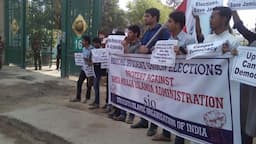
The revival of student-union elections at Indian universities: Explained

El Niño raises food-production risks as WMO flags uneven rainfall outlook for South Asia

EU research groups seek greater say in €175 billion Horizon Europe programme

NSF opens bioengineering funding call with awards of up to $50 million a year

A whale’s death inspired him at four, now 11-year-old is set for Earth Medal
A whale’s death inspired him at four, now 11-year-old is set for Earth Medal

Prof. Ajay Kumar Sood named International Science Council Fellow for 2026

2.6 million Afghan girls have lost five years of education, says UNICEF
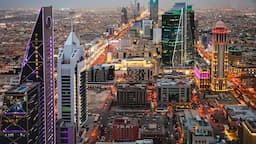
Riyadh, Diriyah extend remote learning as security concerns persist
.jpg&w=256&q=75)
From Class 8 to hospital owner: Rajasthan Police expose alleged fake doctor registration

The revival of student-union elections at Indian universities: Explained
El Niño raises food-production risks as WMO flags uneven rainfall outlook for South Asia
EU research groups seek greater say in €175 billion Horizon Europe programme
NSF opens bioengineering funding call with awards of up to $50 million a year
A whale’s death inspired him at four, now 11-year-old is set for Earth Medal
A whale’s death inspired him at four, now 11-year-old is set for Earth Medal
Prof. Ajay Kumar Sood named International Science Council Fellow for 2026
2.6 million Afghan girls have lost five years of education, says UNICEF
Riyadh, Diriyah extend remote learning as security concerns persist
From Class 8 to hospital owner: Rajasthan Police expose alleged fake doctor registration
Copyright© educationpost.in 2026 All Rights Reserved.