


Two students secure top positions at South Africa’s FundaMzantsi competition as 23-member delegation showcases the power of reading, communication and cultural diversity.
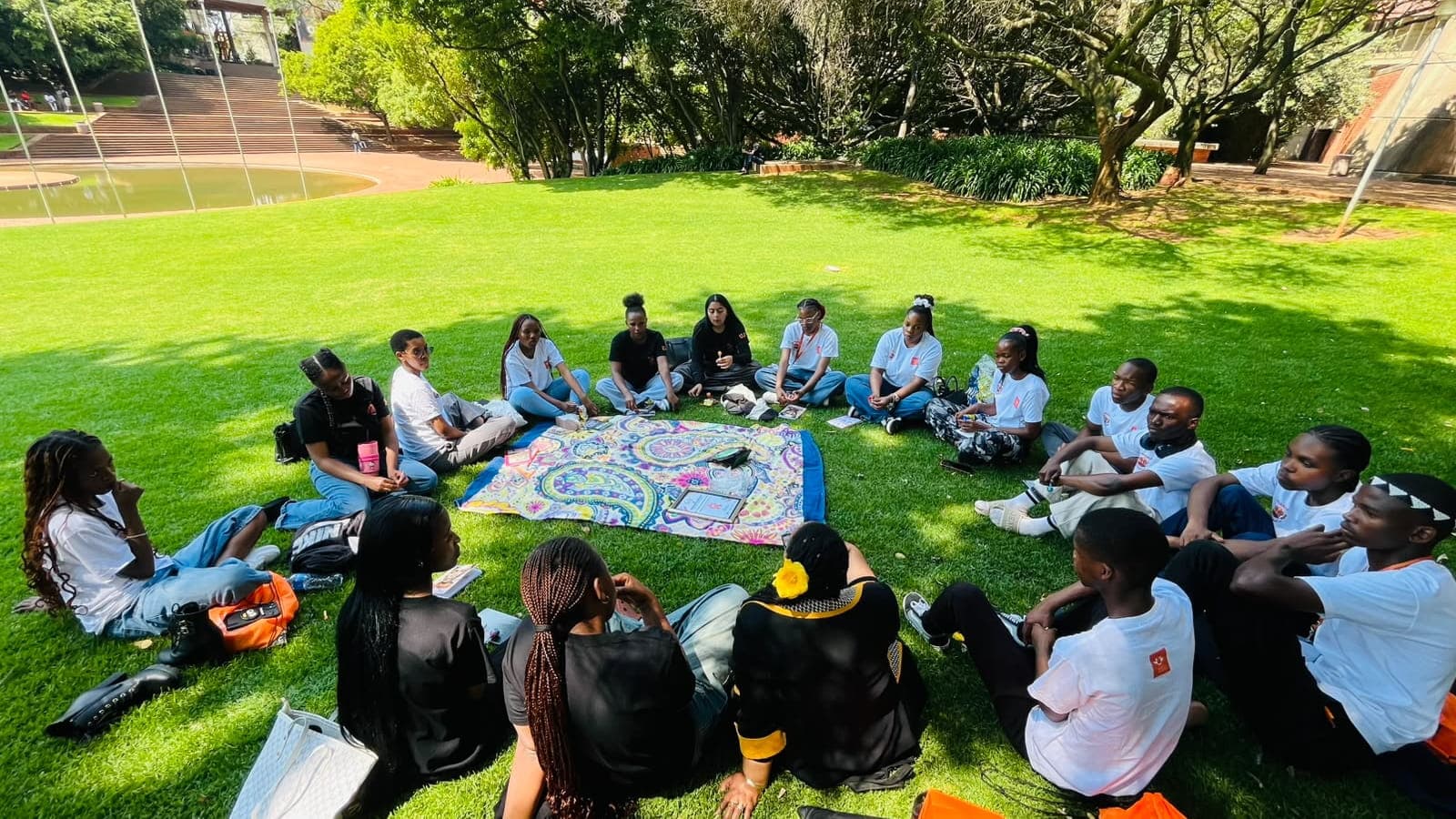
The University of Johannesburg’s (UJ) ReaBala Reading Club has earned national recognition at the 16th annual FundaMzantsi National Competition, with students winning honours in Xitsonga and Setswana and demonstrating how reading can build confidence, strengthen communication and bring communities together.
Held in George, Western Cape, from 28 September to 2 October 2026, the competition brought together 298 book clubs from across South Africa. The clubs represented a diverse mix of correctional services, community organisations and five universities, including UJ, the University of Limpopo, Nelson Mandela University, Cape Peninsula University of Technology and Sol Plaatje University.

Invited by the National Library of South Africa (NLSA), UJ sent a 23-member student delegation to compete in events that tested literary knowledge, public speaking and language proficiency.
The competition featured debates, impromptu reading, book reviews and spelling bees in several languages, including English, isiZulu, Sesotho, Setswana, isiXhosa and Xitsonga.
Two UJ students secured podium finishes. Vunwe Rikhotso claimed first prize in the Xitsonga book review category and third place in impromptu reading, while Lesego Mabuza won second place in Setswana impromptu reading.
The achievements highlighted the students’ literary abilities while underscoring the value of promoting indigenous languages and creating opportunities for young people to express themselves with confidence.
Their participation was supported by Academic Development Services (ADS), the NLSA and other university stakeholders.
Dr Guy Mihindou, Head of Department: Learning Development, congratulated the students, praising their achievements and contribution to community engagement.
“We are delighted to see the students’ efforts rewarded. FundaMzantsi provides a valuable platform for students and communities to debate, share knowledge and showcase their skills. We are proud of our students for representing UJ and taking reading to a national platform,” he said.
Behind the competition success is ReaBala, a reading club whose name means “we read” or “we are reading”. The initiative seeks to make reading accessible, enjoyable and relevant, particularly for first-year students and those enrolled in extended programmes.
Ms Hale Tsehlana, Reading in the Discipline (RID) and Mentoring Coordinator in Academic Development & Innovations (ADI), within Academic Development & Support, established the club after recognising that students who wanted to read more and expand their vocabulary often lacked access to resources, motivation and a supportive reading community.
The club was created to bridge that gap by making reading a shared and rewarding experience rather than an academic obligation.
“We created a space where reading feels relevant and empowering, rather than like a chore,” Tsehlana said.
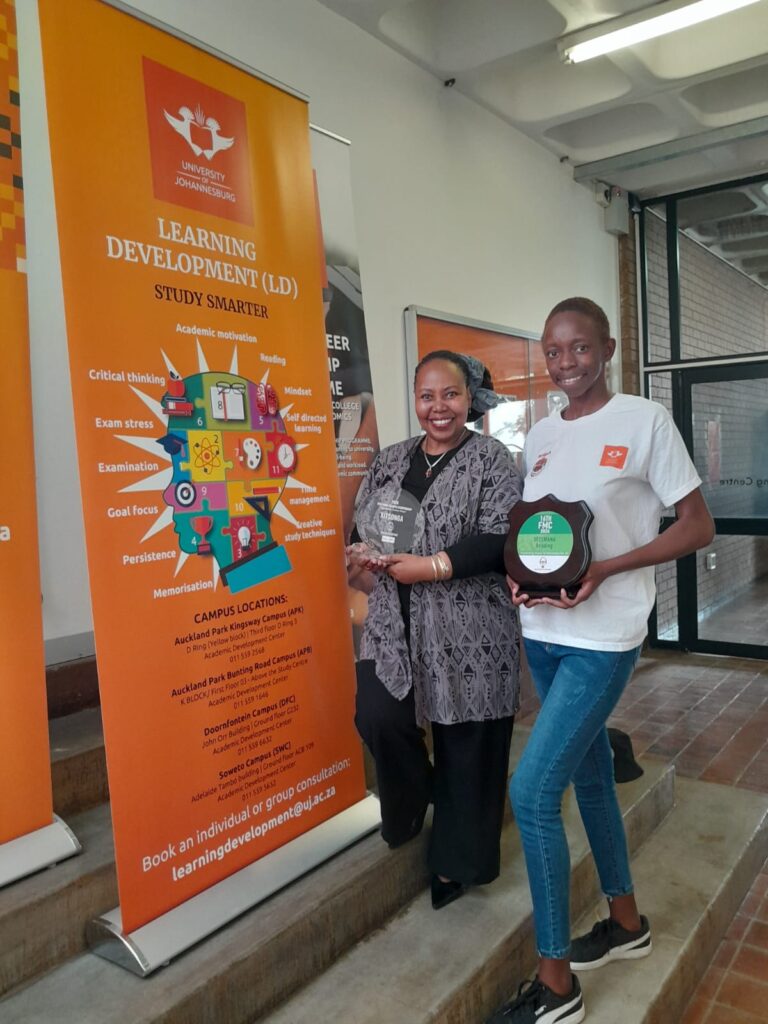
ReaBala promotes African authors and relatable stories, using literature to spark conversations, foster connections and encourage personal growth. Its activities also support academic progress through workshops on reading comprehension, effective reading strategies and examination preparation.
For Tsehlana, the purpose extends beyond improving literacy or academic performance.
“Our aim is the holistic development of a student,” she said.
For the students, the competition offered lessons that went well beyond winning awards. Meeting participants from different backgrounds created opportunities to challenge assumptions, exchange perspectives and develop skills that can serve them well beyond university.
Wandile Mathe said the experience encouraged patience, teamwork and reflection. Interacting with people from diverse backgrounds also challenged some of Mathe’s perceptions of offenders, offering a broader understanding of their experiences and circumstances.
Fellow participant Salome Lekganyane, who competed in a Sepedi debate and a spelling bee, described the experience as a personal triumph, despite not winning an award.
“Although I did not win, I felt like I won in life. I was able to stand in front of a large crowd and speak confidently. I also learned to start conversations and respect other people’s opinions,” she said.
Her reflections capture a central lesson of the competition: success is not measured by trophies alone, but also by the confidence to speak in public, the willingness to listen and the ability to engage respectfully with people whose experiences differ from one’s own.
For ReaBala, the national recognition reinforces its wider mission of nurturing capable, confident students through reading while celebrating South Africa’s linguistic and cultural diversity. The club’s achievements show how a supportive reading community can open doors to new experiences, strengthen academic skills and give students a platform to make their voices heard.

NCERT Develops Introductory AI Module for Classes 9–12, Focuses on Digital Safety

Virus Linked to Infected Animals and Midge Bites

Chinese Troop Movements and Territorial Claims Fuel Tensions

El Niño Weakens India’s Monsoon and Raises Winter Temperature Concerns

Court Rejects Defence Plea Over Delayed Witness Statements

Canada announces $813 million research boost to back 450-plus researchers
Abu Dhabi aims to bring 2,000 Emirati teachers into private schools within five years
Australian schools record thousands of student sexual misconduct reports as child safety concerns grow
Egypt insists international schools include Arabic, history in final scores

China’s Chery unveils AI companion robot designed to ease loneliness

NCERT Develops Introductory AI Module for Classes 9–12, Focuses on Digital Safety
Virus Linked to Infected Animals and Midge Bites
Chinese Troop Movements and Territorial Claims Fuel Tensions
El Niño Weakens India’s Monsoon and Raises Winter Temperature Concerns
Court Rejects Defence Plea Over Delayed Witness Statements
Canada announces $813 million research boost to back 450-plus researchers
Abu Dhabi aims to bring 2,000 Emirati teachers into private schools within five years
Australian schools record thousands of student sexual misconduct reports as child safety concerns grow
Egypt insists international schools include Arabic, history in final scores
China’s Chery unveils AI companion robot designed to ease loneliness
Copyright© educationpost.in 2026 All Rights Reserved.