


More than 57,000 new students entered UAE universities in 2024–25, the highest intake in a decade, as educators call for greater emphasis on critical thinking, practical experience and the ability to question AI-generated information.
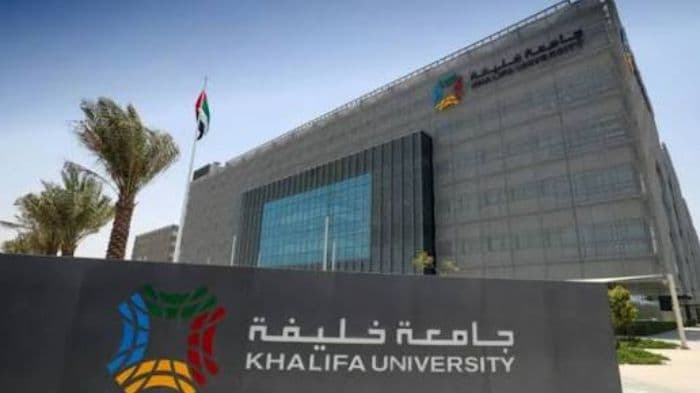
The UAE’s universities are attracting more students, but the skills graduates will need when they enter the workforce are changing rapidly.
As artificial intelligence reshapes jobs across industries, higher education institutions face the challenge of ensuring that rising enrolment translates into graduates who can adapt to new workplace demands.

More than 57,000 new students enrolled in UAE universities during the 2024–25 academic year, a 13% increase from the previous year and the highest annual intake in a decade. The figures were reported by 66 higher education institutions across the country.
At the same time, the World Economic Forum’s Future of Jobs Report 2025 estimates that around 41% of workers’ core skills in the UAE are expected to change by 2030. Students entering university today could therefore graduate into a labour market with substantially different skill requirements.
The challenge for universities is no longer limited to preparing students for existing occupations. They must also equip them to learn new technologies, evaluate information and adapt as professional roles evolve.
Why a degree alone may not be enough
Professor Ghassan Aouad, chancellor of Abu Dhabi University, said students increasingly consider employment opportunities, wellbeing, technology, industry partnerships and practical experience when choosing a university.
“Today’s students are looking for much more than a degree,” he said, as reported by Gulf News.
The shift places greater emphasis on what students can do with their qualifications, rather than the qualification alone. Internships, research projects and industry partnerships can help students apply classroom knowledge in professional settings before graduation.
For universities, this means connecting academic learning more closely with workplace requirements while ensuring that students develop skills they can carry across different jobs and industries.
AI skills must go beyond using the technology
As AI tools become more common in professional environments, knowing how to operate them is only part of the preparation students need. They must also be able to recognise errors, assess the reliability of generated information and make independent decisions.
Aouad said universities should develop critical thinking, creativity, problem-solving and decision-making alongside technical skills.
“Students need to learn not only how to use AI, but also when to question it, challenge it, and apply sound judgement to its outputs,” he said.
This distinction matters because AI-generated responses are not necessarily accurate or suitable for every situation. Graduates need enough subject knowledge to evaluate the technology’s output instead of accepting it without scrutiny.
The implications extend beyond computer science and engineering. As AI spreads across professional fields, students in disciplines ranging from finance and media to healthcare and public policy may need to combine technological competence with subject expertise and human judgement.
Universities expand programmes for emerging industries
Abu Dhabi University has introduced programmes in artificial intelligence, cybersecurity, renewable energy, financial technology, digital media, video game design and public health to respond to changing employment requirements.
The university has also introduced ADU Connect, an AI-powered platform intended to bring different student services together.
These developments illustrate how institutions are adapting their programmes and services to technological change. However, the wider challenge is to ensure that new courses remain relevant as industries evolve, while students continue to develop the analytical and interpersonal abilities needed beyond their first job.
Aouad said universities would need to combine academic excellence with the ability to adapt as technology and employment requirements change.
The UAE’s enrolment growth and the projected transformation of workers’ skills point to two parallel priorities for higher education: expanding access to university education and preparing students for an uncertain professional future.
The effectiveness of that preparation will depend not only on the number of students entering universities, but also on the knowledge, practical experience and independent judgement they develop before graduating.

Turkish-Japanese Science and Technology University opens in Ankara after 13-year wait

SRH University Begins Winter Semester 2026-27, Welcomes Indian Students to Germany
.jpg&w=256&q=75)
Western Australia weighs merger of three major universities as Curtin objects

Keralam to Decide on PM SHRI Scheme After Sub-Committee Report, Says Education Minister

UNESCO, Lebanon move to revive public libraries as community learning hubs
Turkish-Japanese Science and Technology University opens in Ankara after 13-year wait
China races to place graduates as it readies its 2027 jobs plan
.jpg&w=256&q=75)
Irish university strikes force class cancellations across the country

Philippines audit agency flags lapses in CHEd scholarship programs

Singapore Management University’s Executive MBA enters global top 50 in Financial Times ranking

Turkish-Japanese Science and Technology University opens in Ankara after 13-year wait
SRH University Begins Winter Semester 2026-27, Welcomes Indian Students to Germany
Western Australia weighs merger of three major universities as Curtin objects
Keralam to Decide on PM SHRI Scheme After Sub-Committee Report, Says Education Minister
UNESCO, Lebanon move to revive public libraries as community learning hubs
Turkish-Japanese Science and Technology University opens in Ankara after 13-year wait
China races to place graduates as it readies its 2027 jobs plan
Irish university strikes force class cancellations across the country
Philippines audit agency flags lapses in CHEd scholarship programs
Singapore Management University’s Executive MBA enters global top 50 in Financial Times ranking
Copyright© educationpost.in 2026 All Rights Reserved.